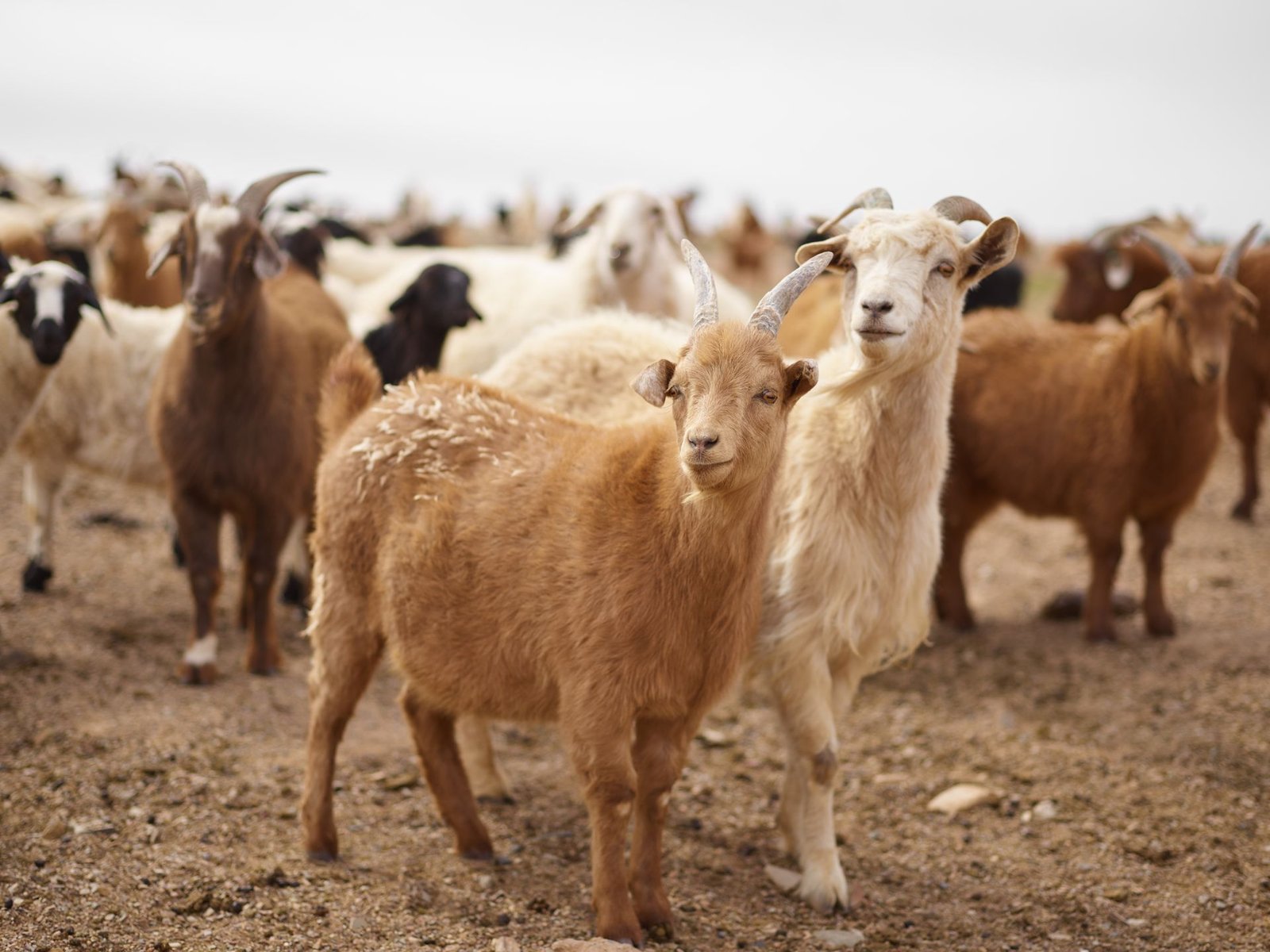
Goat farming in South Africa is bigger than most people think, and most of it never shows up in the official figures. Goats are slaughtered at home for weddings, funerals, initiations and family celebrations far more often than they pass through an abattoir. For a farmer, that means a market that is steady, pays cash, and often comes to your gate.
Goats are also forgiving animals to start with. They cost less per head than cattle, they breed fast, and they thrive on bush and shrubs that cattle and sheep walk past. But they are not sheep with horns. They browse instead of graze, they hate cold rain, they will test every fence you build, and they are very sensitive to certain diseases. This guide covers what you need to know: choosing the right goats, browsing and fencing, feeding, breeding and kidding, health, the market, and the numbers.
Why Goat Farming in South Africa Makes Sense
The demand is real and it runs deep. In 2020 about 719,200 goats were slaughtered at formal abattoirs, compared with an estimated 3.1 million slaughtered informally, according to figures reported by African Farming. Demand peaks around Easter, in December and through the winter months, and the Eastern Cape, Limpopo and KwaZulu-Natal together hold roughly 70% of the country’s goats.
What that means for a farmer:
- Buyers are close by. Many goats are sold directly to families and traders, often on the farm.
- Money turns over fast. A doe carries for about five months and often has twins, so a small herd grows quickly.
- Goats use what others don’t. On bush-encroached veld, goats turn thornbush and shrubs into meat and can run alongside cattle without competing much for grass.
Choosing the Right Goats
Start with the market you want to sell into and the veld you have. For most farmers that means a meat goat.
| Type | Strengths | Best suited to |
|---|---|---|
| Boer goat | Big frame, fast growth, well-muscled carcass, often twins | Commercial meat production on reasonable veld |
| Kalahari Red | Hardy, red coat handles sun, good mothers, low maintenance | Hot, dry and extensive systems |
| Savanna | Very hardy, white coat with dark skin, good in harsh conditions | Arid and bushveld areas with little input |
| Indigenous veld goats | Extremely hardy, disease tolerant, fit the traditional market | Communal and low-input systems |
| Saanen and Toggenburg | Dairy breeds that produce milk for drinking and cheese | Intensive dairy units with good feed and a milk market |
Boer goat
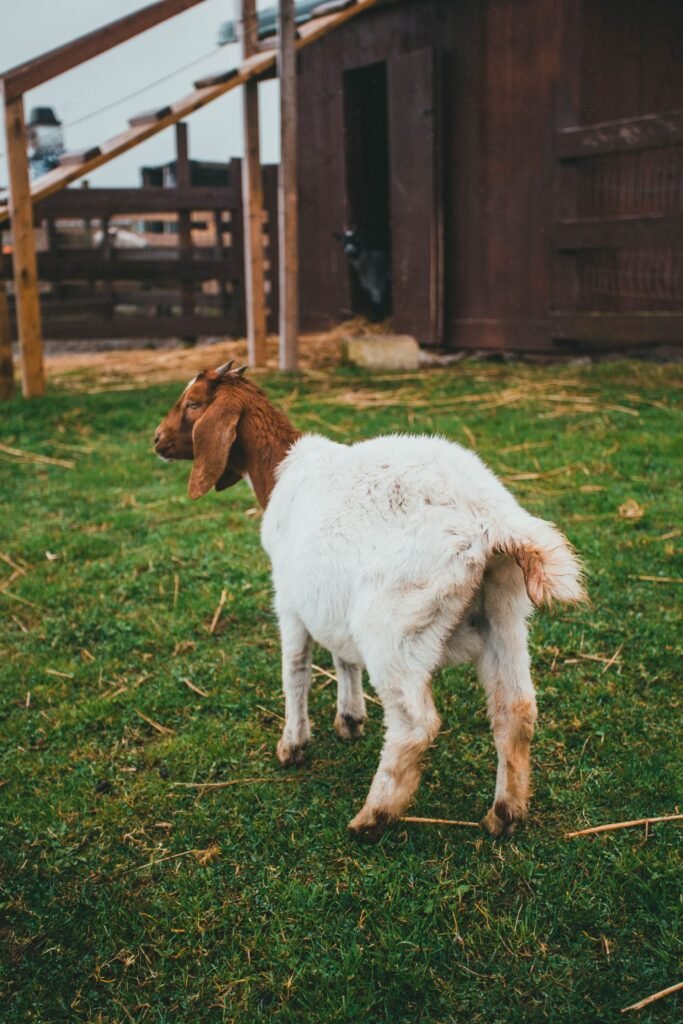
The Boer goat was developed in the Eastern Cape in the early 1900s and is now farmed around the world as a meat goat. It is large, well muscled and fertile, with the familiar white body and brown head. It grows faster than most other breeds, but it also needs better management and is more sensitive to heartwater if it comes from an area without bont ticks.
Kalahari Red and Savanna
The Kalahari Red and the Savanna are both South African meat breeds developed from hardy local goats. They are a little lighter than a top Boer goat, but they walk further, cope better with heat and poor veld, and generally need less help. Many extensive farmers prefer them for exactly that reason. We compare the Kalahari Red and the Boer goat in detail in Kalahari Red vs Boer goats.
Indigenous veld goats
Indigenous goats make up the large majority of the country’s goats. They are small, tough and well adapted to local diseases, and they fit the traditional market perfectly. Crossing indigenous does with a Boer or Kalahari Red buck is a practical way to get heavier kids while keeping hardiness.
Dairy goats
The Saanen and Toggenburg are dairy breeds. Goat dairying is a completely different business: it needs milking facilities, good feed every day, strict hygiene and a buyer for the milk or cheese. Only a very small share of South Africa’s goats are kept for milk. For a side-by-side look at the two main dairy breeds, read our comparison of Saanen vs Toggenburg goats.
See all the goat breeds we supply.
Goats Are Browsers, Not Grazers
This is the most important thing to understand about goats. Given the choice, a goat will eat leaves, twigs, pods and shrubs before it eats grass. Goats do well where there is plenty of bush and browse at the right height, and battle on open grassland with nothing to browse.
That makes them excellent partners for cattle. Cattle take the grass and goats take the bush, so the same farm can carry more animals, and goats help slow down bush encroachment. For planning, count roughly six goats as one large stock unit, the same as sheep, and stay within your farm’s grazing capacity. Your extension officer can give you the norm for your area.
Goats also pick up fewer worms when they browse above the ground than when they are forced to graze short grass, which is one more reason they do best with bush to eat.
Fencing and Housing
Fences
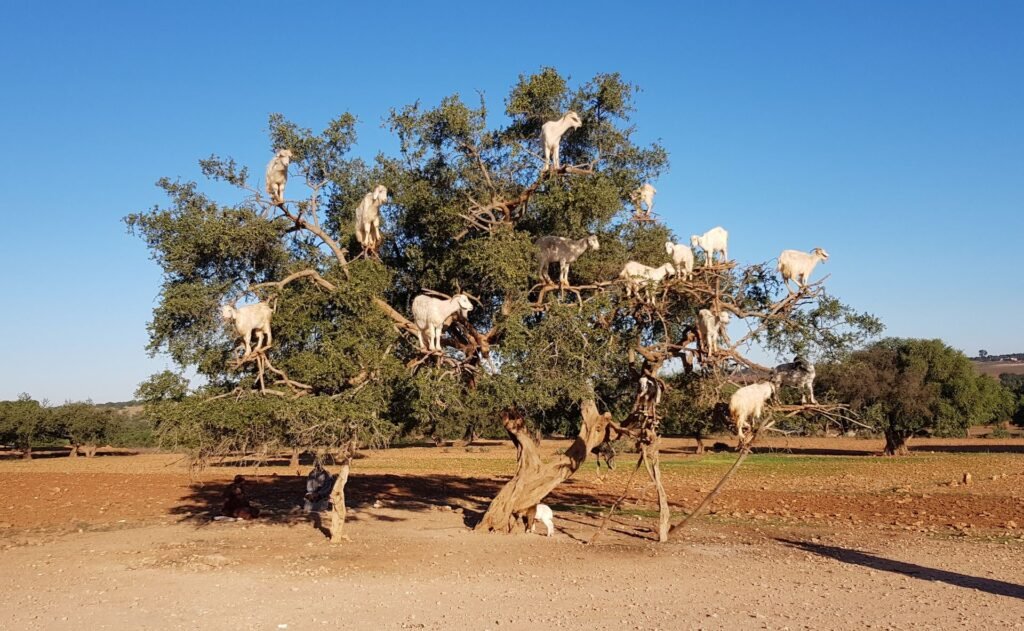
Goats climb, squeeze and jump, and a fence that holds cattle will not hold a goat. Use a tight, well-strained jackal-proof or mesh fence, or add electric strands at goat height. Check it often. Once a goat finds a way out, the whole herd will follow the next day.
Shelter
Unlike sheep, goats have no wool and little fat under the skin, so cold, wet and windy weather hits them hard. Pneumonia after a cold snap is one of the most common causes of goat deaths. Give them a dry, draught-free shelter, ideally with a raised slatted floor, where they can get out of cold rain. Kids especially need it.
Predators and theft
Jackals, caracals and stray dogs take kids, and goats are easy to steal. Kraal them at night in high-risk areas, count them regularly, and make sure every goat carries your registered mark.
Feeding Goats Through the Year
- Summer: goats do well on browse and green veld. A mineral lick helps where your area is known to be short of phosphorus or trace elements.
- Winter: browse quality drops, and a protein lick helps goats use the dry material. Many trees and shrubs drop pods that are valuable winter feed.
- Before mating: flushing does on better feed for a few weeks improves conception and twinning.
- Late pregnancy and lactation: the doe’s needs rise sharply, especially with twins or triplets. Thin does give weak kids and little milk.
- Kids: creep feed helps kids grow faster where browse is poor.
Ask your vet or feed supplier which lick suits your area. Always change feed gradually, because a sudden switch to rich feed can trigger pulpy kidney or bloat.
Breeding and Kidding
Mating
A doe comes on heat roughly every three weeks, so a mating season of about six weeks gives each doe two chances to conceive. Pregnancy lasts about five months. Under good feeding, some farmers manage three kiddings in two years, but one well-planned kidding a year, timed for good browse, is easier on the does and the farmer. Our guide to goat breeding covers mating and kidding step by step.
A mature, fertile buck is commonly run with about 25 to 40 does, fewer for young bucks or big, bushy camps. Check bucks’ feet, legs and testicles before mating and have them in fit condition, not fat.
Kidding
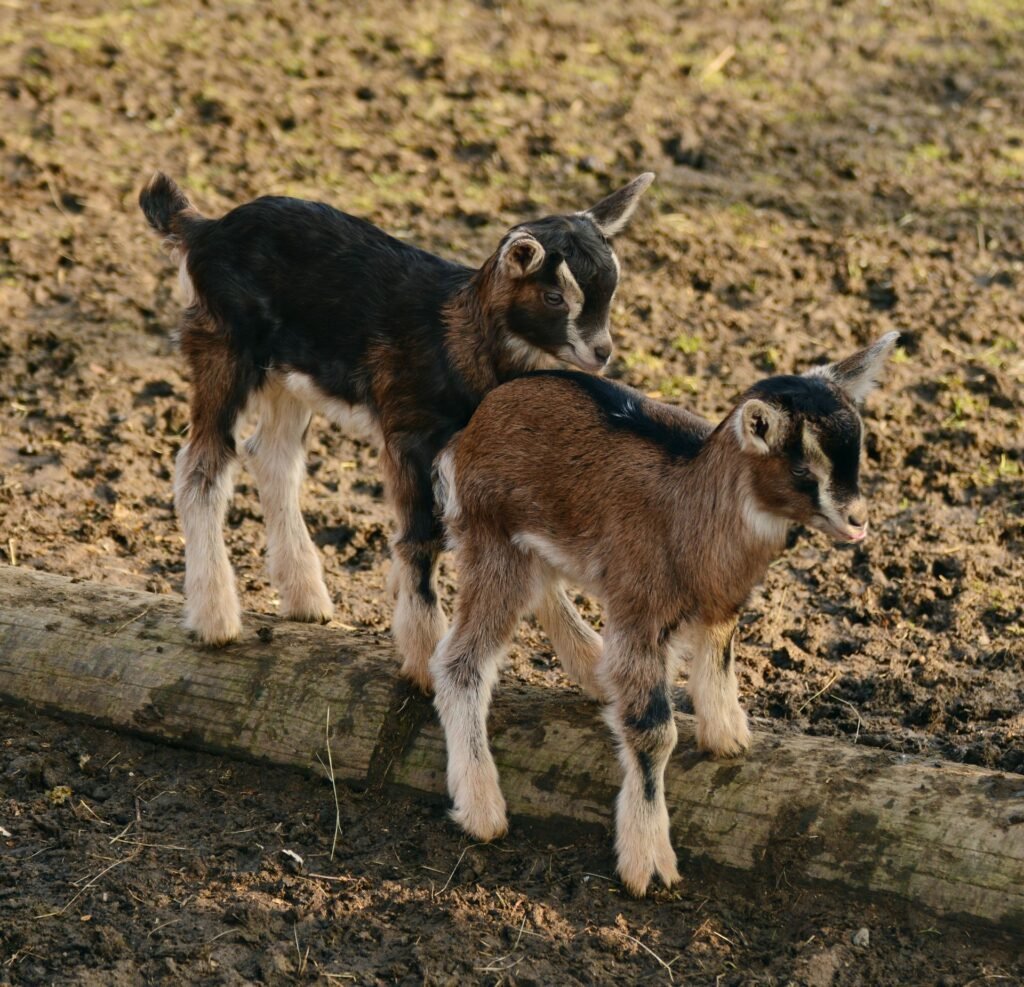
Most does kid on their own. Twins are common in meat goats, and triplets are not unusual in well-fed Boer goats. Make sure every kid drinks colostrum in its first hours. Young does can reject kids, so keep an eye on first-time mothers. Kids often lie hidden in the bush for the first days while the doe feeds, which is normal.
Castrate male kids that you will not keep as bucks, mark and vaccinate them, and wean at about three to four months.
Keep records
Record which does kidded, how many kids each had, how many she reared and what they weighed at weaning. After two or three seasons you will know which does are making money and which ones to cull.
Goat Health: Heartwater, Worms and Pneumonia
Goats are hardy in many ways but very vulnerable in a few. Draw up a health programme with your local vet. The main concerns are:
- Heartwater: spread by the bont tick and one of the biggest killers of goats in bushveld and coastal areas. Goats brought in from heartwater-free areas are especially at risk. Ask your vet about tick control and immunisation.
- Wireworm and other worms: goats are very susceptible. Check the inside of the lower eyelid for paleness and dose the animals that need it, rather than dosing the whole herd on a fixed calendar, to slow down drug resistance.
- Pulpy kidney: strikes well-fed kids and does. Vaccination is cheap insurance.
- Pneumonia: common after cold, wet weather and stressful transport. Shelter and a vaccination programme help.
- Orf (vuilbek): scabby sores around the mouth that stop kids from suckling. Vaccinate where it is a problem, and wear gloves when handling, because it can spread to people.
- Foot problems in wet conditions, and CAE in dairy herds.
Keep new goats apart for at least 28 days before they join your herd.
Foot-and-mouth disease
Goats are cloven-hoofed and fall under the same foot-and-mouth movement controls as cattle and sheep. Buy only from traceable sellers, make sure goats come with the seller’s mark and a document of identification, and get a veterinary movement permit where the rules require it. Check the current situation with your local state vet before buying or moving goats.
Selling Goats: Know Your Market
Most goats in South Africa are sold live, and the buyer is usually buying for a specific occasion. That shapes what sells:
- Timing: demand and prices usually peak before Easter, in December and through winter. Plan kidding so you have well-grown animals ready then.
- The right animal: ceremonial buyers often want a mature, well-conditioned animal of a particular sex or type, and some look for a specific colour. Ask your regular buyers what they need.
- Condition: a goat in good condition sells quickly and for a better price.
- Channels: private sales from the farm, traders and speculators, auctions, and, for a smaller share, abattoirs.
Build a reputation for healthy, honest animals and you will find that many buyers come back every year.
Selling goats from the farm
Many sales happen at the gate, so set yourself up for it. Have a small pen where buyers can see the goats up close, and a scale so you can show the weight instead of arguing about it. Agree the price before the goat is loaded. Give every buyer a document of identification with your registered mark, as the law requires, and keep a copy for your records. Where foot-and-mouth rules apply, make sure the movement is allowed before the goat leaves. Buyers remember a seller who is fair, organised and honest, and in the goat trade that reputation is worth more than any advert.
What Boer Goats Cost
Prices vary enormously between commercial goats and top stud animals. At a Boer goat prestige auction in May 2026, commercial Boer goat rams averaged about R13,000 and pregnant commercial ewes about R14,923, while stud rams averaged R62,000 and the top ram sold for R250,000, according to African Farming. Prestige auctions sit at the top of the market, and everyday commercial goats sell for considerably less. What you pay should depend on what you need: a good buck is worth investing in, while commercial does for meat production do not need stud prices. For a full breakdown of auction averages, see our guide to Boer goat prices in South Africa.
What It Costs to Start a Goat Farm
- Breeding stock: does and at least one good buck.
- Fencing: goat-proof boundary and camp fencing, which is often the biggest cost.
- Shelter and a kraal: dry housing, kidding pens and a night kraal where needed.
- Water: troughs in every camp and reliable supply.
- Handling: a small race or pen for dosing, vaccinating and sorting.
- Health and licks: vaccines, dosing remedies, tick control and licks.
- Working capital: your first kids are only ready to sell several months after you buy.
A Simple Example of Goat Economics
Here is a rough illustration for a herd of 50 meat does. The kid price in particular varies a lot by area and season, so use your own local figure.
| Item | Assumption | Result |
|---|---|---|
| Does mated | 50 | 50 |
| Kids born | 150% (many twins) | 75 kids |
| Kids weaned | 15% losses | about 64 kids |
| Kept as replacements | 10 doelings | about 54 to sell |
| Sale value | R1,500 per weaned kid (example only) | about R81,000 |
Goats you grow out and sell as mature animals for ceremonies usually fetch much more per head than weaned kids, which is why many farmers keep some kids back for the Easter and December market. Subtract licks, vaccines, dosing, labour, fencing repairs and transport to see your margin. The biggest lever is kid survival: every kid that dies in its first weeks is income lost. Our full guide to feeding goats covers each stage in more detail.
Common Mistakes in Goat Farming
- Weak fences. Goats will find every gap, and you will spend your days chasing them.
- No shelter. Cold, wet weather kills more goats than many diseases.
- Ignoring heartwater. Bringing goats into bont tick areas without a plan is very risky.
- Dosing by the calendar. It breeds resistant worms. Check eyelids and dose the goats that need it.
- Treating goats like sheep. Goats need browse. On open grass alone they battle.
- Selling at the wrong time. Plan kidding so you have animals ready for Easter, December and winter.
- No records. Without them you cannot tell which does pay their way.
More Goat Farming Guides
- Boer Goats in South Africa: A Complete Breed Guide
- Common Goat Diseases in South Africa: Signs, Prevention and Treatment
- Feeding Goats in South Africa: A Practical Guide for Every Stage
- Goat Breeding in South Africa: From Mating to Kidding
- Goat Housing in South Africa: How to Build a Shelter That Works
- Kalahari Red Goats in South Africa: A Complete Farmer’s Guide
- Savanna Goats in South Africa: A Complete Farmer’s Guide
- Boer Goat Prices in South Africa (2026): What Farmers Really Pay
- Kalahari Red vs Boer Goats: Which Meat Goat Suits Your Farm?
- Saanen vs Toggenburg Goats: Which Dairy Goat Suits Your Farm?
- Buying Livestock in South Africa: A Beginner’s Guide in 8 Steps (2026)
Frequently Asked Questions About Goat Farming in South Africa
Is goat farming profitable in South Africa?
It can be. Goats breed quickly, cost less per head than cattle and have strong demand from the ceremonial market. Profit depends mainly on kid survival, selling at the right time, and keeping health and feed costs under control.
Which goat breed is best for beginners?
For meat, hardy breeds such as the Kalahari Red and Savanna are forgiving for beginners, while the Boer goat grows faster but needs better management. Crossing indigenous does with a Boer or Kalahari Red buck is also a good start.
How many goats can I keep per hectare?
It depends on how much browse your veld has. Roughly six goats equal one large stock unit, so use your area’s grazing capacity norm as a starting point and stock below it.
How long is a goat pregnant?
About five months (roughly 150 days). Meat goats often have twins, and well-fed Boer goats sometimes have triplets.
What is the biggest health risk for goats?
In many areas it is heartwater, spread by the bont tick, followed by wireworm and pneumonia after cold, wet weather. A health programme agreed with your vet is essential.
When is the best time to sell goats?
Demand usually peaks before Easter, in December and during winter, when many ceremonies and celebrations take place.
Do goats and cattle compete for food?
Not much. Goats mainly browse bush and shrubs while cattle graze grass, so running them together often uses the veld better and helps control bush encroachment.
Final Thoughts
Successful goat farming in South Africa comes down to a few things done well: choose goats that suit your veld and your market, give them bush to browse, build fences they respect and shelter from cold rain, protect them against heartwater and worms, look after the kids in their first weeks, and have animals ready when buyers want them. Do that and a small herd can grow into a steady business.
If you are ready to start or grow a herd, see the goat breeds we supply or request a quote with the breed and number of goats you need. You can also read our guide to cattle farming in South Africa if you are thinking of running goats alongside cattle.
Looking to buy goats?
Tell us the breed, age group, quantity and delivery area. We reply with availability, pricing and transport costs, usually within one working day.
DRM LIVE STOCK is a registered South African livestock company (Company No. K2023207798, VAT No. 4640323079) based at 135 Rocklands Rd, Uitenhage Farms, Gqeberha. We supply cattle, goats, sheep and pigs, with delivery across South Africa.