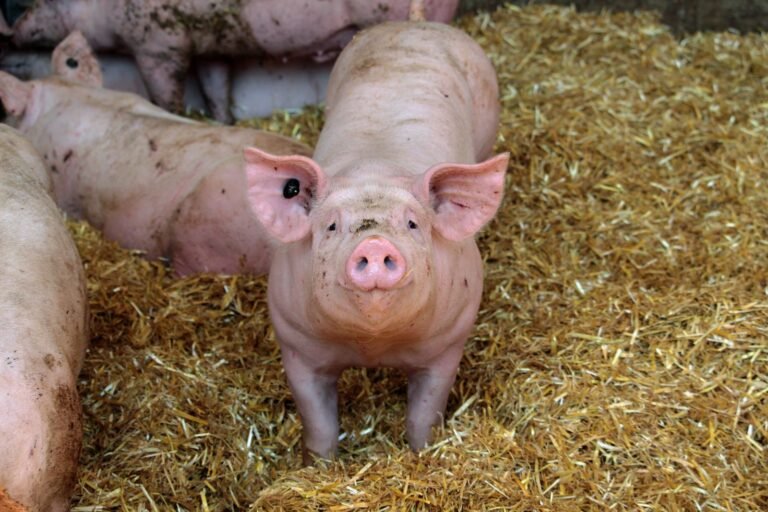
Pig breeding is the engine room of any piggery. Every baconer you sell started as a piglet from one of your sows, so the number of healthy piglets each sow weans in a year decides whether the business makes money. The good news is that pigs are among the most productive farm animals there are: a well-managed sow can have two litters a year, and every step from choosing a gilt to weaning her piglets is something you can learn and control.
This guide covers pig breeding in South Africa step by step: choosing breeding stock, getting gilts ready, spotting heat, mating, the sow gestation period, farrowing, the first days of a piglet’s life, weaning and getting the sow back in pig. It is written for smaller and growing piggeries, but the principles are the same at any size.
Pig Breeding at a Glance
| Item | Typical figure |
|---|---|
| Heat (oestrous) cycle | About 21 days (range 18 to 24) |
| Heat lasts | About 1 to 2 days in gilts, 2 to 3 days in sows |
| Sow gestation period | About 114 days (three months, three weeks and three days) |
| Gilts first mated at | About 7.5 to 9 months, at the weight your genetics supplier recommends |
| Return to heat after weaning | Usually 3 to 7 days |
| Normal farrowing | About 3 to 8 hours, a piglet roughly every 15 minutes |
| Boars for natural mating | Roughly 1 boar to 12 sows (smaller piggeries) |
These are guidelines from the sources quoted below. Genetics, feeding and housing all affect the figures on your farm.
1. Choose the Right Breeding Stock
Good pig breeding starts with good genetics. Most commercial piggeries in South Africa use crossbred sows, usually from Large White and Landrace bloodlines, because crossbred sows combine big litters, good milk and hybrid vigour. Terminal boars such as the Duroc are often used to add growth and meat quality to the slaughter pigs. Our comparison of Large White vs Landrace vs Duroc explains how the breeds fit together.
When choosing replacement gilts, the MSD Veterinary Manual suggests average to above-average weight gilts from large litters, with seven to eight pairs of evenly spaced, functional teats. Also look for:
- sound feet and legs, with no lameness
- a well-formed vulva of normal size
- a calm temperament
- a healthy source herd with a known disease history
Keep new gilts and boars away from your herd for a while when they arrive. The MSD Veterinary Manual recommends isolating bought-in gilts for at least 45 to 60 days, and our guide to pig diseases in South Africa explains why biosecurity matters so much, especially with African swine fever.
2. Get Your Gilts Ready
In pig breeding, patience with gilts pays. A gilt that is mated too young or too light may have a small first litter and often struggles to come back on heat after weaning, so she leaves the herd early. A Farmer’s Weekly beginner’s guide advises rearing breeding gilts until they weigh 120 to 130 kg, about seven and a half to eight months old, before their first service. Modern commercial gilts are often served heavier: AHDB’s guideline, as reported by Farmer’s Weekly, is about 220 to 270 days and 135 to 170 kg. Follow the target your genetics supplier gives, and many farmers wait for the second or third heat.
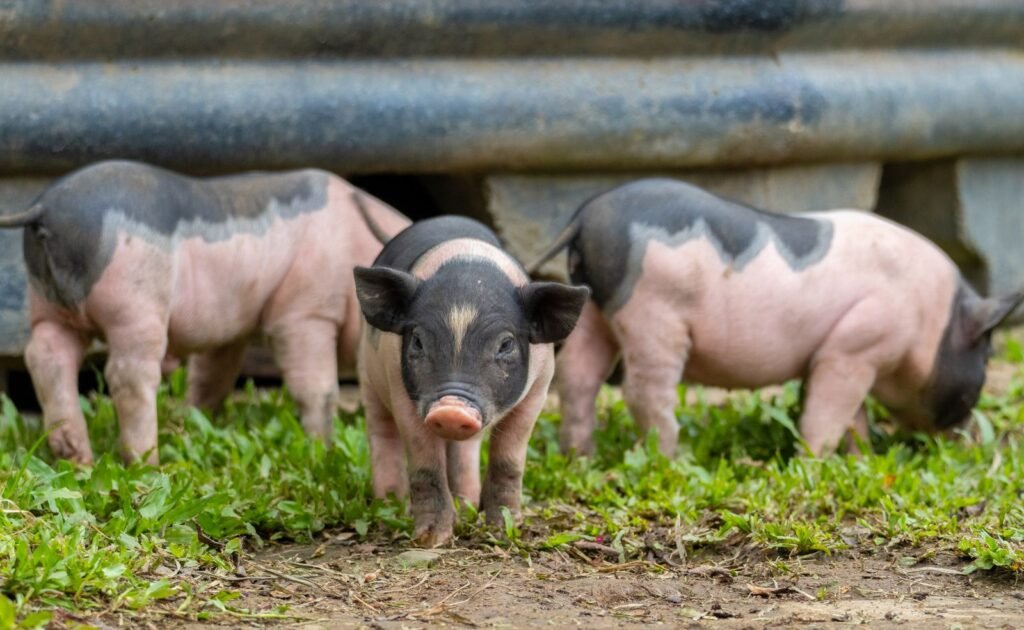
Contact with a mature boar helps gilts start cycling. The MSD Veterinary Manual suggests 10 to 15 minutes of boar contact a day for gilts from about five to six months old, and it recommends culling gilts that have not shown heat by about 136 kg and 220 days of age. Feed gilts to grow well, not to get fat; our guide to feeding pigs covers rations for breeding stock.
3. Spot Heat (Oestrus)
Heat detection is the most important daily job in pig breeding. Sows and gilts come on heat about every 21 days throughout the year. According to the MSD Veterinary Manual’s breeding guide, heat lasts about one to two days in gilts and two to three days in sows. Signs include:
- a red, swollen vulva, sometimes with a discharge, in the days before heat
- restlessness, grunting and loss of appetite
- pricked ears and mounting other pigs
- the standing reflex: the sow stands rock-still when you press firmly on her back, or when the boar is nearby
The standing reflex is the sign that matters. The MSD Veterinary Manual describes standing for the boar, or standing under back pressure, as the true test of heat, while a swollen vulva on its own is unreliable. Check for heat twice a day, ideally with a boar on the other side of the fence, because many sows only show a strong standing reflex when they can see, hear and smell a boar.
4. Mating: Natural Service or AI
Ovulation happens late in heat, so timing matters in pig breeding. The MSD Veterinary Manual recommends two services or inseminations, one on each day of standing heat, and no more than three. A common rule on smaller farms is to serve the sow when she first stands and again 12 to 24 hours later.
- Natural service. Take the sow to the boar’s pen, not the other way round, and watch the mating. Farmer’s Weekly advises using boars of at least eight months old, with young boars serving no more than twice a week until they are a year old.
- Boar numbers. Farmer’s Weekly gives a ratio of about one boar to 12 sows for natural mating, and suggests at least two boars for a 20-sow unit: a younger one for gilts and a mature one for heavier sows.
- Artificial insemination (AI). Many commercial piggeries buy semen and keep boars mainly to find sows on heat. AI gives smaller farms access to top genetics without the cost of a top boar, but it needs good heat detection and careful semen handling.
Write down every service date. If a sow comes back on heat about 18 to 24 days later, she did not conceive.
5. The Sow Gestation Period and Pregnancy Care
The sow gestation period averages about 114 days, easy to remember as three months, three weeks and three days, according to Farmer’s Weekly. Most sows farrow between about day 111 and day 115. Add 114 days to the first service date and mark it on your calendar or pig breeding record card.
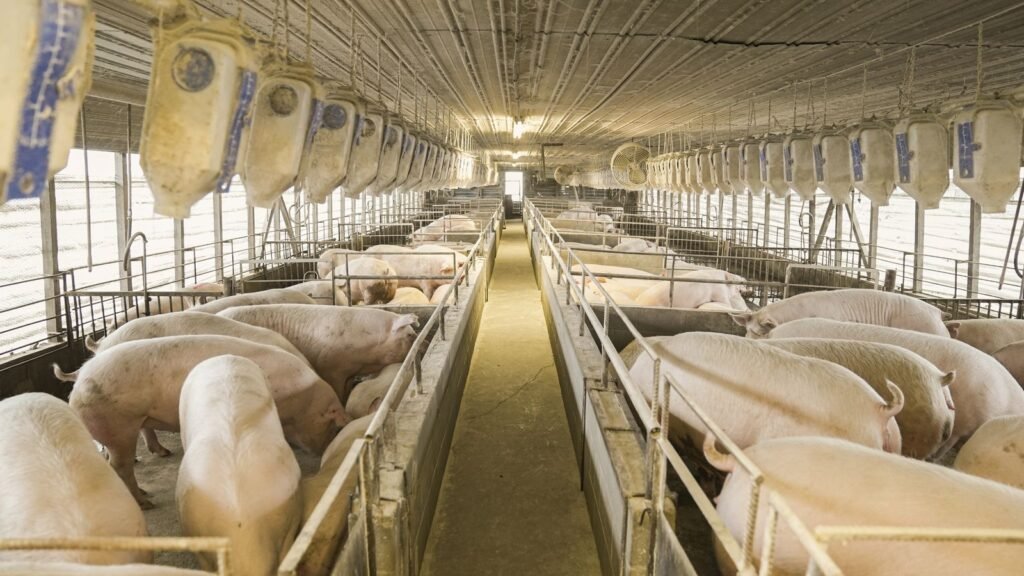
- Pregnancy checks. Watch for return to heat at 18 to 24 days. A vet or trained person can confirm pregnancy by ultrasound from about four weeks.
- Feeding. Feed pregnant sows to keep them in moderate condition. Overfed sows get fat, farrow with more difficulty and eat less while suckling, while thin sows produce small litters and little milk.
- Calm handling. Avoid fighting, rough handling and heat stress, especially in the first month of pregnancy and in the last few weeks.
- Health. Follow your vet’s vaccination and deworming programme for sows before farrowing.
6. Farrowing
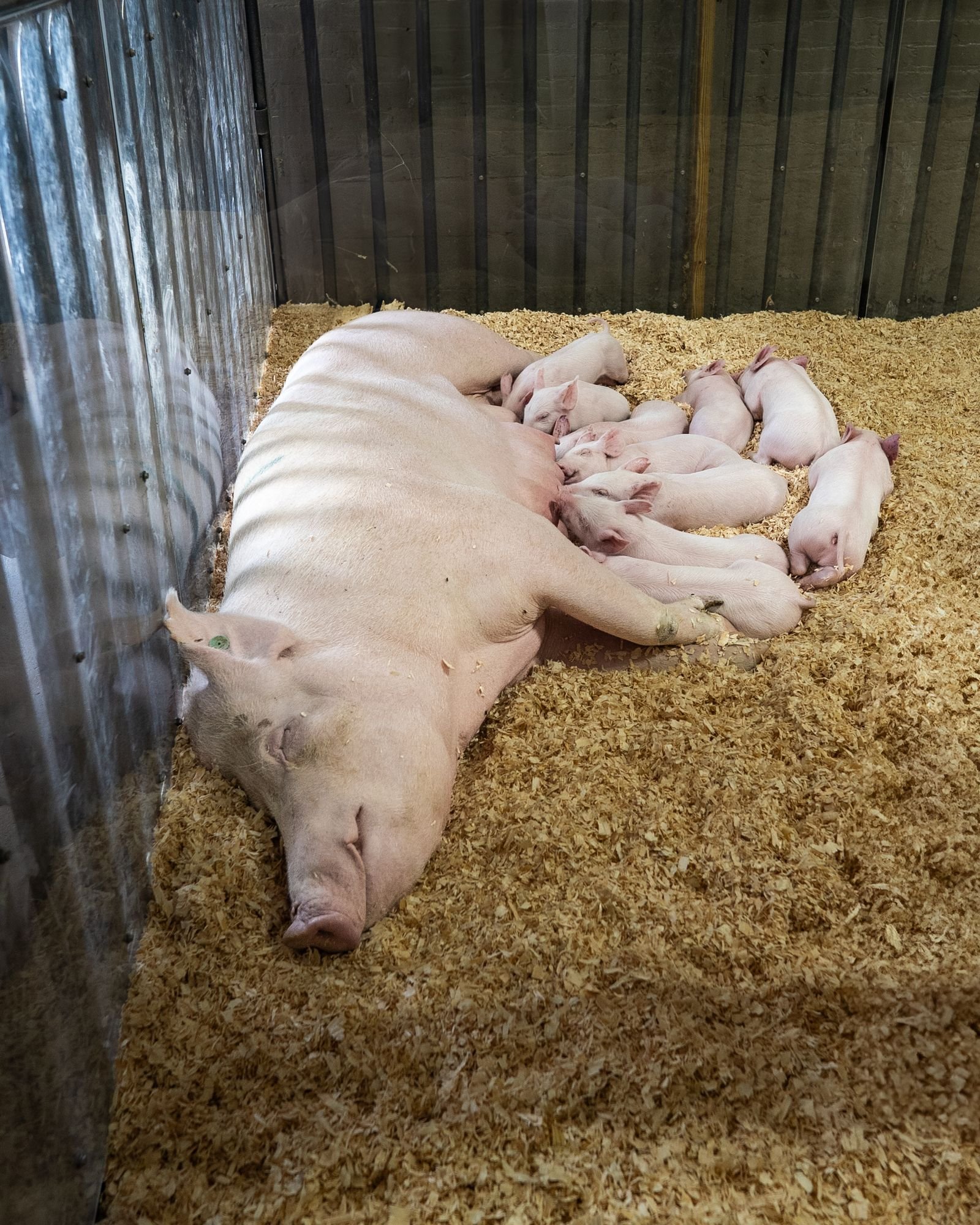
Farrowing is where the work of pig breeding pays off, so prepare the farrowing pen before the sow needs it. Farmer’s Weekly advises cleaning and disinfecting the pen and leaving it empty for two to three days, then washing and disinfecting the sow and moving her in about four to five days before farrowing so she can settle. A farrowing crate or rails protect piglets from being crushed, and a warm, draught-free creep area gives them somewhere safe to lie. Our pig housing guide covers farrowing pen layouts.
Signs that farrowing is close
In the last day or so the sow becomes restless and tries to build a nest, her vulva swells and relaxes, and her udder fills. Milk that can be squeezed from the teats often means piglets are on the way within hours.
During farrowing
According to AgriOrbit, a normal farrowing takes about three to eight hours, with a piglet born roughly every 15 minutes and the afterbirth following over one to four hours. Signs that something is wrong include:
- strong straining for more than about an hour with no piglet
- no piglet for a long time after the last one, while the sow is clearly not finished
- a sow that is weak, feverish or off her feed
Call your vet if farrowing stalls. Checking a sow internally or giving oxytocin should only be done with clean hands and proper training, because both can do harm if done wrong.
7. The First Days of a Piglet’s Life
The first week can make or break your pig breeding results. Most piglet losses happen in the first few days, mainly from chilling, starvation and crushing. Farmer’s Weekly notes that about two piglets per litter are lost on average between birth and weaning, so every step here pays.
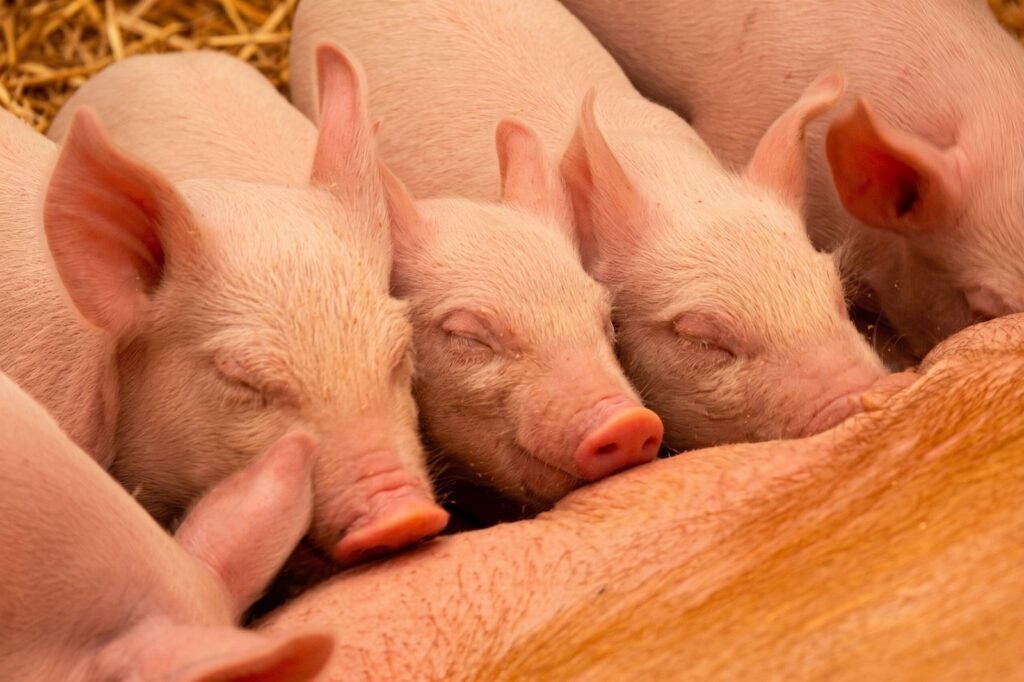
- Colostrum. Piglets are born with no antibodies, so colostrum is vital. AHDB advises getting as much colostrum into piglets as possible in the first six hours, because the gut stops absorbing antibodies by about 24 hours. Help weak piglets onto a teat, and in big litters let smaller piglets suckle first.
- Warmth. Newborn piglets chill quickly. Dry them, then make sure the creep area is warm and dry so they lie there instead of next to the sow.
- Navels. Dip navels in iodine.
- Iron. Sow’s milk is low in iron, and piglets raised on concrete cannot get it from soil. Farmer’s Weekly advises an iron injection between three and seven days of age.
- Teeth and tails. If you clip needle teeth or dock tails, Farmer’s Weekly advises doing it before three days of age, and only where your vet and market requirements call for it.
- Cross-fostering. Move extra piglets from big litters to sows with fewer piglets within the first day or two, after they have had colostrum from their own mother.
8. Weaning and Getting the Sow Back in Pig
Commercial piggeries commonly wean at about three to four weeks, while many smaller farms wean later; the Farmer’s Weekly beginner’s guide uses about 35 days. Weaning later is easier on the piglets but means fewer litters per sow each year. Whatever age suits your pig breeding system, start creep feed early so piglets are eating solid food before weaning.
After weaning, most sows come back on heat within 3 to 7 days, according to the MSD Veterinary Manual. Feed sows well during suckling and in the days after weaning so they come back on heat quickly, and keep them near a boar. With a gestation period of 114 days, a suckling period of about four weeks and a quick return to heat, a sow can produce more than two litters a year.
9. Keep Records and Cull Hard
Records turn pig breeding from guesswork into management. For every sow, write down service dates, farrowing dates, piglets born alive, stillborn piglets, piglets weaned and weaning weights. Use the records to cull sows that:
- repeatedly fail to conceive or come back on heat
- wean small litters, or lose many piglets through poor mothering or crushing
- have bad feet, leg problems or damaged teats
- are getting old and their litters are dropping off
Farmer’s Weekly notes that sows that rear big litters with no problems can be kept for six or more litters. Gilts that do not conceive after two cycles of service are usually culled, as the MSD Veterinary Manual suggests.
Common Pig Breeding Mistakes
- Mating gilts too young or too light.
- Poor heat detection, especially without a boar nearby.
- Letting pregnant sows get too fat or too thin.
- Farrowing in cold, wet or draughty pens without a warm creep area.
- Skipping iron injections for piglets kept on concrete.
- Bringing in new pigs without isolating them first.
- Keeping no records, so poor sows stay in the herd.
Starting from scratch? Our guide to starting a small piggery covers planning, costs and housing.
Frequently Asked Questions
What is the gestation period of a pig?
About 114 days on average, or three months, three weeks and three days. Most sows farrow between about day 111 and day 115.
How often does a pig come on heat?
About every 21 days, all year round, unless she is pregnant or suckling piglets.
At what age can a gilt be mated?
Usually at about seven and a half to nine months, once she reaches the target weight for her genetics, often 120 kg or more, and often on her second or third heat.
Is pig breeding profitable for small farmers?
It can be, if sows are well managed and you have a reliable market for weaners or slaughter pigs. Feed is the biggest cost, so piglets weaned per sow per year and feed prices decide the margin.
How many sows can one boar serve?
A common guideline for natural mating is one boar to about 12 sows. Young boars should be used less often than mature boars.
How many piglets does a sow have?
It depends on genetics and management. Older guides quote eight to 10 piglets per litter, while modern commercial sows often have bigger litters.
How soon does a sow come on heat after weaning?
Most sows come back on heat within 3 to 7 days after their piglets are weaned.
How many litters can a sow have in a year?
With good management, a sow can have just over two litters a year.
Final Thoughts
Successful pig breeding comes down to a few things done well: good genetics, gilts mated at the right weight, careful heat detection, correctly fed sows, a clean and warm farrowing pen, and close attention in the first days of each litter. Add good records and firm culling, and your herd improves with every generation. If you are building or improving a breeding herd, have a look at our Large White pigs for sale, or send us your requirements and we will get back to you with a written quote, including delivery to your farm.
Looking to buy pigs?
Tell us the breed, age group, quantity and delivery area. We reply with availability, pricing and transport costs, usually within one working day.
DRM LIVE STOCK is a registered South African livestock company (Company No. K2023207798, VAT No. 4640323079) based at 135 Rocklands Rd, Uitenhage Farms, Gqeberha. We supply cattle, goats, sheep and pigs, with delivery across South Africa.