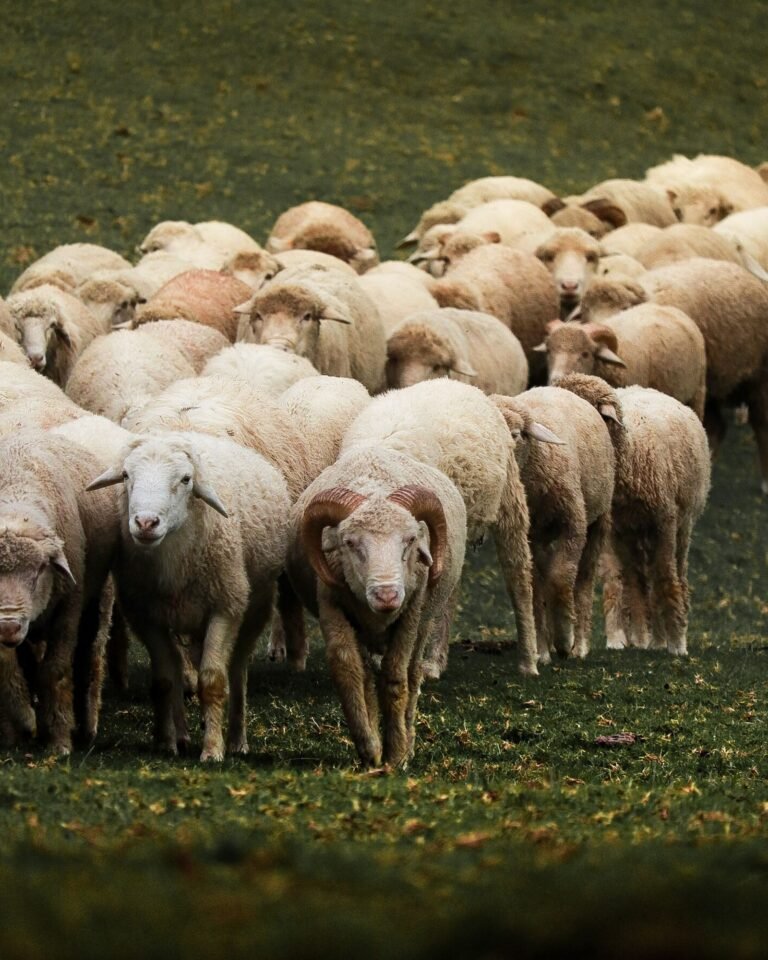
Sheep breeding is where a flock’s profit is won or lost. Every lamb you sell starts with a fit ram, a ewe in the right condition and a mating season planned around your veld. Get those right and lambing becomes a busy but rewarding few weeks. Get them wrong and you pay for it all year in empty ewes, weak lambs and lost income.
This guide walks through sheep breeding in South Africa step by step: choosing a mating season, preparing ewes and rams, the mating period itself, the sheep gestation period, scanning, feeding pregnant ewes, lambing and the first days of a lamb’s life. The principles apply to Dorper, Meatmaster, Merino, Dohne Merino and most other breeds.
Sheep Breeding at a Glance
| Item | Typical figure |
|---|---|
| Oestrous (heat) cycle | About 17 days |
| Heat lasts | About 30 hours |
| Sheep gestation period | About 147 days (roughly 5 months) |
| Mating period | About 35 to 51 days (two to three heat cycles) |
| Ram to ewe ratio | Roughly 1 ram to 25 to 40 ewes |
| Ewe condition at mating | About 3 to 3.5 on a 1 to 5 scale |
| Ewe lambs first mated at | About 60% to 65% of mature weight |
| Colostrum | At least 10% of body weight in the first 24 hours |
Figures are mostly from the MSD Veterinary Manual and South African sources quoted below. Breeds, farms and seasons differ, so treat them as guidelines.
1. Choose a Mating Season That Fits Your Veld
Good sheep breeding starts with the calendar. Work backwards from lambing. Ewes need the most feed in late pregnancy and while they are suckling lambs, so plan lambing for the time of year when your veld or pastures are at their best. In a Farmer’s Weekly guide, Shane Brody describes joining rams with ewes for about 45 days from the end of March, so that ewes lamb from October to the end of December, in the summer months.
That is one example, not a rule. Winter-rainfall farms in the Western Cape often plan differently from summer-rainfall farms in the Free State or Eastern Cape. Some farmers run one lambing season a year, while others with adapted, non-seasonal breeds such as the Dorper use an accelerated system of three lambings in two years. Whatever you choose, a fixed, short mating season gives you a tight lambing period, even groups of lambs and much easier management.
2. Prepare Your Ewes
In sheep breeding, ewe preparation starts months before the rams go in. According to AgriOrbit, ovum development begins about six months before mating, so condition and nutrition long before the mating season affect how many lambs you get.
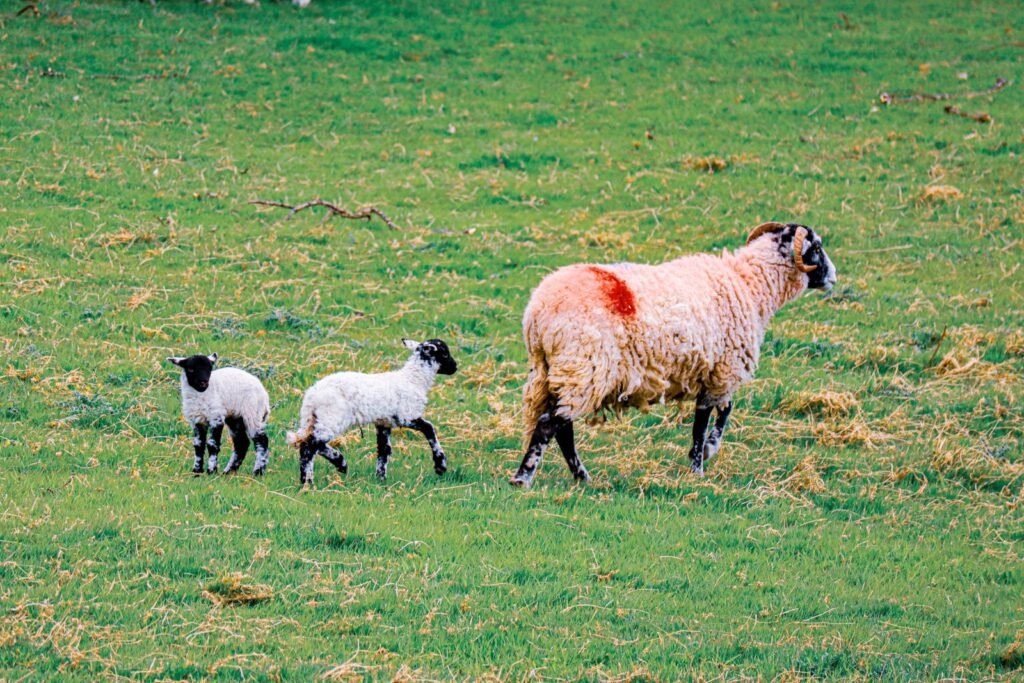
- Body condition. Ewes should be in good condition, not fat, at mating. An MSD Animal Health guide on preparing ewes recommends a score of at least 3.5 on a 1 to 5 scale at mating, and it suggests weaning lambs at least six weeks before mating so ewes can recover.
- Flushing. Flush feeding means giving ewes extra, good-quality feed for the weeks just before and into mating to raise ovulation rates. AgriOrbit quotes a period of four to six weeks before mating and trial results of up to 26% more lambs from twin-bearing ewes. Keep rams away from ewes during flushing.
- Health. Finish live vaccines well before mating. The MSD Animal Health guide advises not vaccinating within four weeks before mating, and suggests giving trace minerals and dosing for worms four to six weeks before mating. Ask your vet about vaccines for enzootic abortion, bluetongue and Rift Valley fever.
- Culling. Remove ewes that did not wean a lamb, had difficult births, poor udders, bad feet or poor teeth before the new season starts.
Our guide to feeding sheep covers flushing rations and licks in more detail.
3. Prepare Your Rams
The ram is half of every sheep breeding decision. He serves a large share of your flock, so one infertile or lame ram can cost you a whole season of lambs. Before every mating season:
- Test fertility. Have your vet do a breeding soundness test, including semen quality and scrotal circumference, well before mating. Many farmers do this about two months ahead, which leaves time to replace a ram that fails.
- Check feet, legs, teeth and eyes. A ram must walk well to cover ewes on the veld.
- Get condition right. Rams should be fit, neither too thin nor too fat. Farmer’s Weekly suggests mineral and vitamin supplements just before and after mating.
- Use the right number. Brody suggests one ram for every 25 to 30 ewes, while the MSD Veterinary Manual says one ram per 40 ewes is usually enough for a compact mating season. Use fewer ewes per ram for young or inexperienced rams, and more rams in large, rough camps.
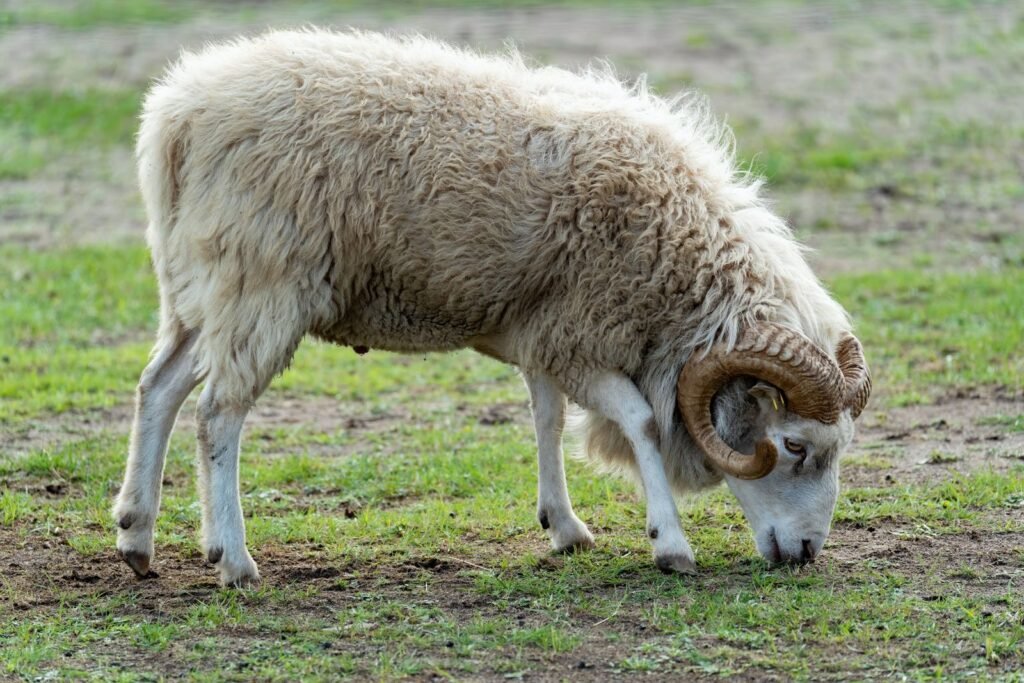
Ram selection shapes your flock for years. For Dorper flocks, our guide to Dorper sheep breeding explains how to choose rams, ewes and replacement stock.
4. The Mating Period
A ewe comes on heat about every 17 days, and heat lasts about 30 hours, according to the MSD Veterinary Manual. For sheep breeding on most farms, leaving rams in for two to three cycles, about 35 to 51 days, gives most ewes two or three chances to conceive while keeping lambing short.
- Use raddles or crayons. A marking harness on the ram shows which ewes have been mated and when. Changing the crayon colour every 17 days shows which ewes came back on heat, which may point to a ram problem.
- Use the ram effect. Ewes kept away from rams and then exposed to them suddenly often start cycling sooner and more together, which helps tighten lambing.
- Avoid stress. Do not move, shear, dip or handle ewes roughly in the first weeks after mating, when embryos are most easily lost. AgriOrbit also warns against cutting rations sharply within 21 days after mating.
- Take the rams out. Remove rams at the end of the season so you do not get late lambs scattered through the year.
5. Ewe Lambs: When to Mate Them
Ewe lambs usually reach puberty at 6 to 9 months, but age matters less than weight. The MSD Veterinary Manual recommends mating them only once they reach 60% to 65% of mature body weight, and the MSD Animal Health guide gives a range of 60% to 75%. Mated too light, young ewes struggle to grow, lamb and raise a lamb at the same time. Run them as a separate group with better feed and use an easy-lambing ram, so that early sheep breeding does not hold them back.
6. The Sheep Gestation Period and Scanning
The sheep gestation period averages about 147 days, or roughly five months, according to the MSD Veterinary Manual. Count about 147 days from the first day the rams go in to estimate when lambing will start.
Scanning (ultrasound pregnancy testing) is one of the best tools in sheep breeding because it lets you sort ewes into empty, single-bearing and twin-bearing groups and feed each group correctly. The MSD Veterinary Manual says pregnancy can be confirmed from about 30 days and that 45 to 50 days of pregnancy is the best time to count lambs. Time scanning to suit your mating period and ask your scanner for advice. Empty ewes can be re-mated, sold or culled.
7. Feeding Pregnant Ewes
Most of a lamb’s growth happens in the last six weeks or so of pregnancy, so this is when feed needs rise sharply, especially for twin-bearing ewes. Underfed ewes give birth to small, weak lambs and produce less colostrum. A Farmer’s Weekly article on twinning in Dorpers recommends a condition score of at least 2.7, and preferably 3.2, at lambing for twin-bearing ewes, and notes that better ewe condition before lambing greatly improves twin survival.
Watch for pregnancy toxaemia (ketosis) in fat or thin ewes carrying multiples in late pregnancy. Ewes that stand apart, stop eating or seem blind and wobbly need urgent help. Vaccinating ewes four to six weeks before lambing boosts the antibodies in their colostrum. Our guide to sheep diseases in South Africa covers pulpy kidney, pregnancy toxaemia and other problems around lambing.
8. Lambing and Lamb Survival
Lambing is where months of sheep breeding work pay off, so prepare before it starts: a sheltered lambing camp close to the house, a few small pens for ewes with problems, iodine for navels, clean gloves, lubricant, colostrum and a feeding bottle or stomach tube.
Signs of lambing
Ewes close to lambing often separate from the flock, become restless, paw the ground, lie down and get up again, and develop a full udder and swollen vulva. Once strong straining starts, the first lamb should be born within about an hour, according to the MSD Veterinary Manual. If it is not, or a lamb is coming in the wrong position, check the ewe with clean, lubricated hands and call your vet if you cannot correct it gently.
The first hours
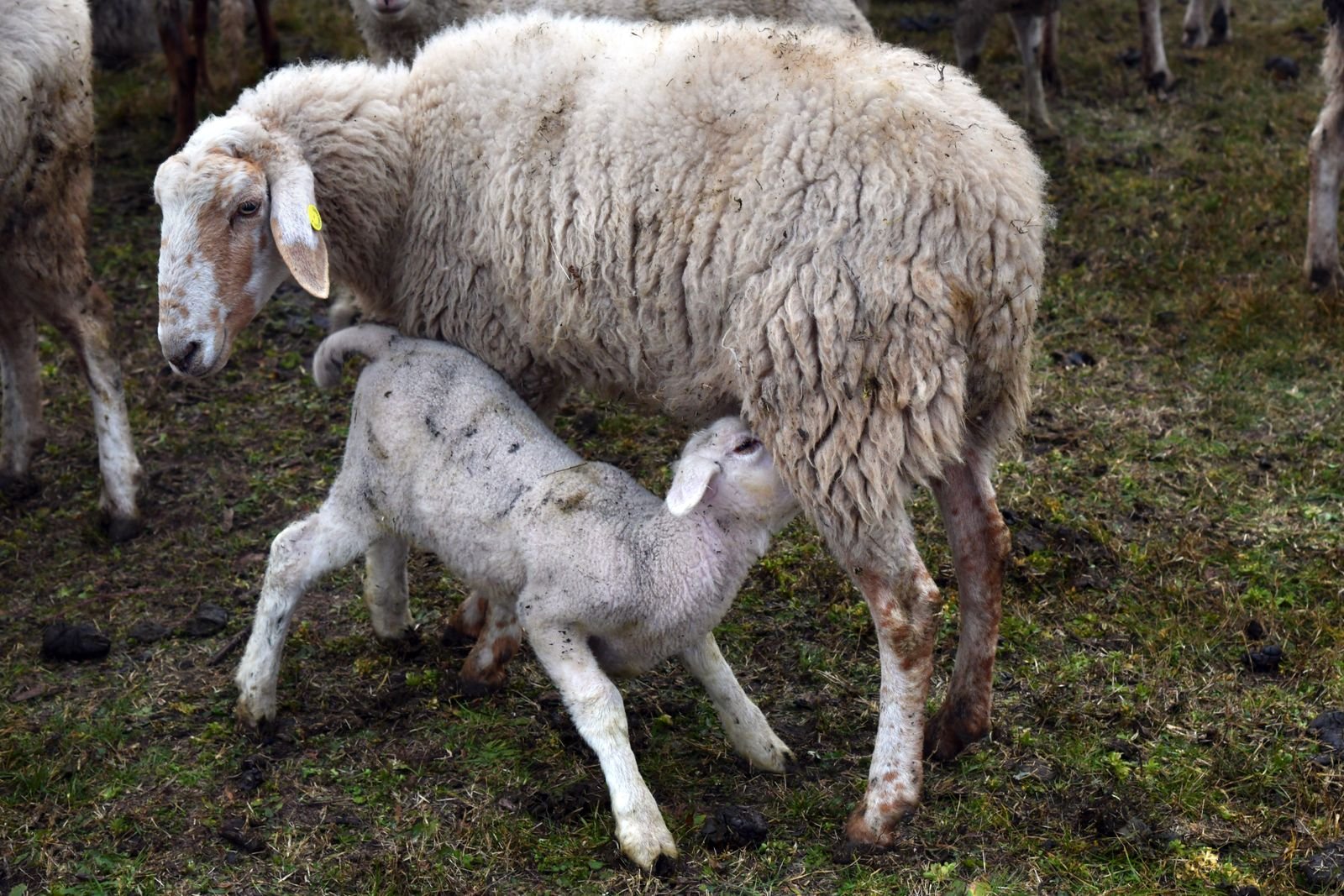
- Colostrum. Lambs should stand and suckle within about 30 minutes of birth. A lamb that cannot suckle needs at least 10% of its body weight in good colostrum in the first 24 hours, so a 4 kg lamb needs at least 400 ml, split into several feeds.
- Navels. Dip navels in iodine soon after birth to prevent infection.
- Warmth. Cold, wet and starved lambs die quickly. Shelter from wind and rain is one of the cheapest ways to save lambs, especially twins.
- Bonding. Leave ewes and lambs together quietly, in a small pen if needed, for two to three days before moving them back to the flock.
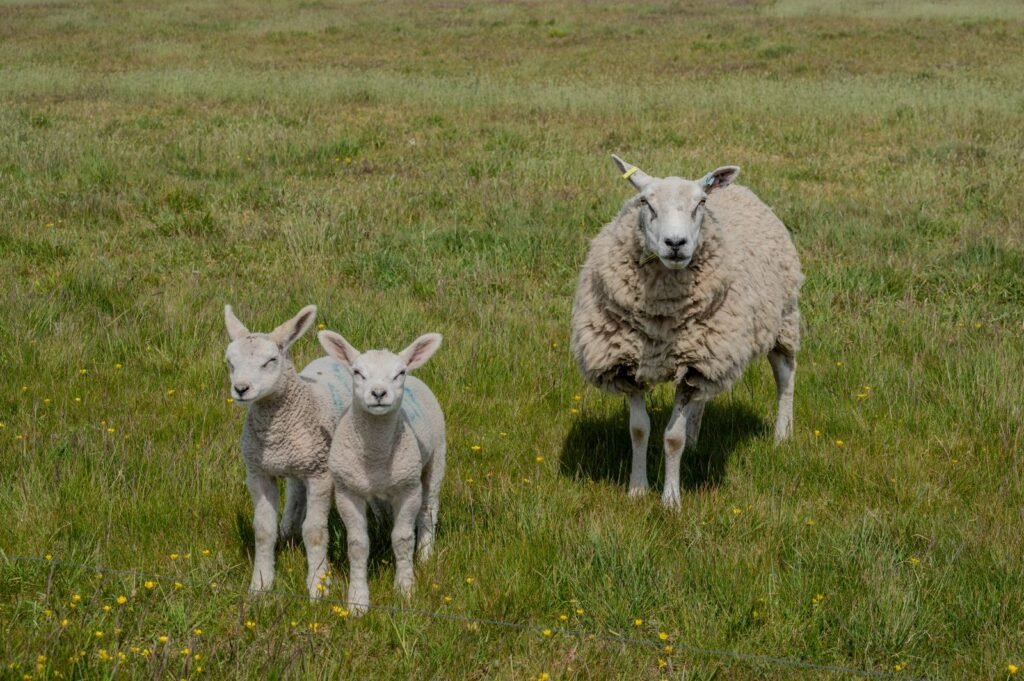
After lambing
Tag and record every lamb with its mother, birth date and whether it is a single or twin. Weigh lambs at weaning. These records show which ewes and rams breed the best lambs and which ewes should go, and they make your sheep breeding better every season. Farmer’s Weekly notes that producers aim for lambing rates of about 130%, and up to 160% in ideal conditions.
Common Sheep Breeding Mistakes
- Leaving rams with ewes all year, which spreads lambing out and makes feeding and disease control harder.
- Using an untested ram, or too few rams for the flock and camp size.
- Mating ewes in poor condition, or overfeeding them until they are too fat.
- Mating ewe lambs too light.
- Skipping scanning and feeding all pregnant ewes the same.
- Lambing in exposed camps without shelter.
- Keeping no records, so the same problem ewes are mated year after year.
Breeding goats? Our guide to goat breeding covers the differences for does and bucks.
Frequently Asked Questions
What is the gestation period of sheep?
About 147 days, or roughly five months, on average. Individual ewes can lamb a few days earlier or later.
What is the best time of year for sheep breeding?
It depends on your veld. Plan the mating season so that lambing falls when grazing is at its best, about five months after the rams go in.
How many ewes can one ram serve?
A common guideline is one ram to 25 to 40 ewes in a short mating season. Use fewer ewes for young rams and more rams in big or rough camps.
How long should rams stay with the ewes?
Usually two to three heat cycles, about 35 to 51 days. Many farmers use about 45 days.
When can ewe lambs be mated?
Once they reach about 60% to 65% of their mature body weight. Ewe lambs usually reach puberty at about 6 to 9 months.
What is flushing in sheep?
Feeding ewes extra, good-quality feed for a few weeks before and during mating to increase ovulation and the number of twins.
When should ewes be scanned?
Pregnancy can be seen from about 30 days, but about 45 to 50 days of pregnancy is the best time to count lambs. Ask your scanner how to time it for your mating period.
How soon must a newborn lamb drink colostrum?
As soon as possible, ideally within 30 minutes of birth. A lamb needs at least 10% of its body weight in colostrum in its first 24 hours.
Final Thoughts
Good sheep breeding is not complicated, but it depends on timing: a planned mating season, ewes and rams in the right condition, scanning, careful feeding in late pregnancy and well-prepared lambing. Most of all it depends on good genetics. If you are building or improving a flock, have a look at our Dorper sheep for sale and Meatmaster sheep, or send us your requirements and we will get back to you with a written quote, including delivery to your farm.
Looking to buy sheep?
Tell us the breed, age group, quantity and delivery area. We reply with availability, pricing and transport costs, usually within one working day.
DRM LIVE STOCK is a registered South African livestock company (Company No. K2023207798, VAT No. 4640323079) based at 135 Rocklands Rd, Uitenhage Farms, Gqeberha. We supply cattle, goats, sheep and pigs, with delivery across South Africa.