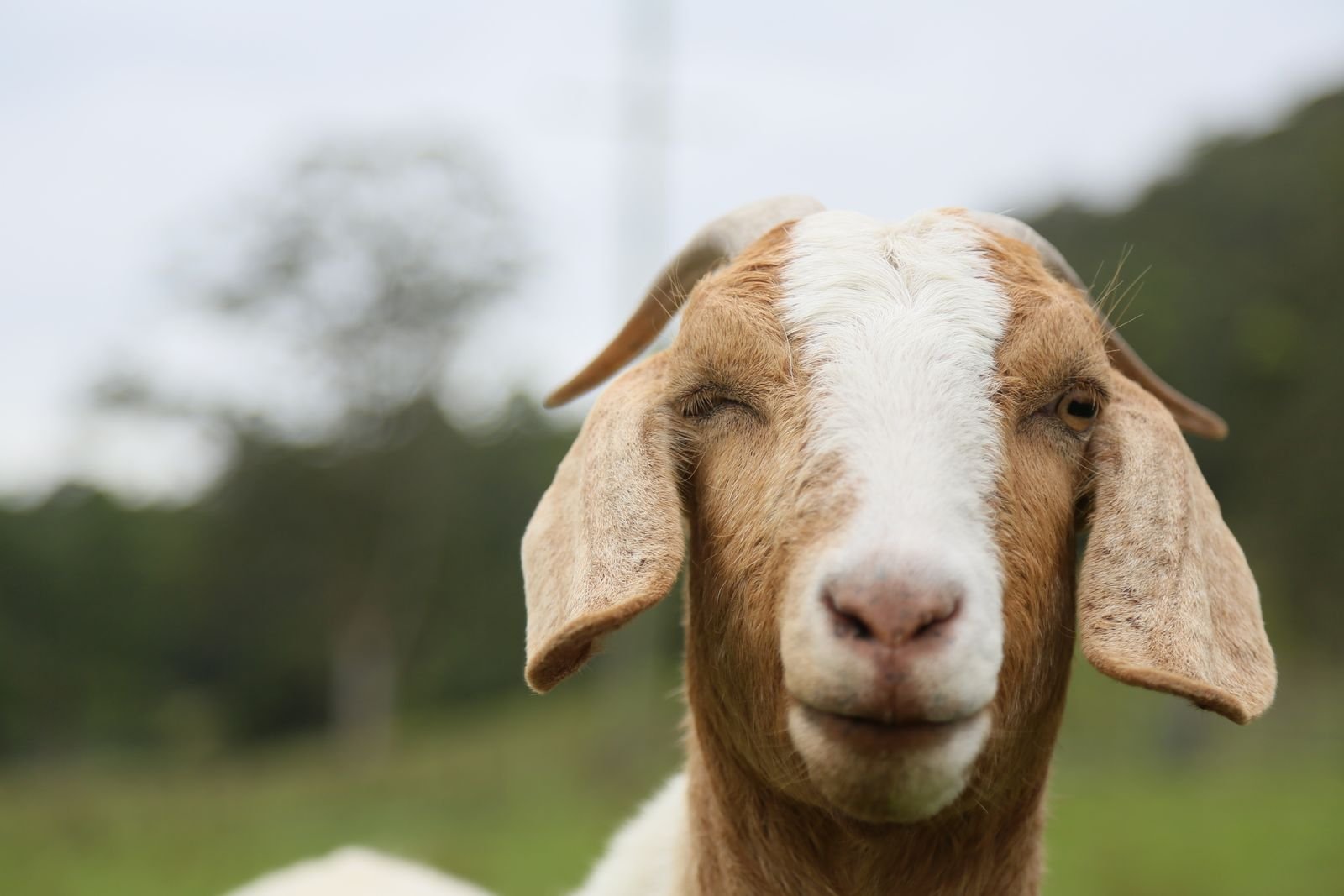
Goat diseases in South Africa cost farmers more than most people realise, and the frustrating part is that many of the losses are preventable. Goats hide sickness well. By the time a doe stands alone with her head down, she has often been ill for days. The farmers who keep losses low are not the ones with the best medicine cabinet. They are the ones who know which diseases to expect in their area and season, and who vaccinate, dose and check their animals before trouble starts.
This guide covers the goat diseases we see and hear about most often in South Africa: wireworm, heartwater, pulpy kidney, coccidiosis and pneumonia in kids, orf, abscesses, brucellosis and plant poisoning, plus the controlled diseases you must report. For each one you will find the signs to look for, how to prevent it, and when to call your vet. Use it as a practical guide, not a replacement for your vet, who knows the diseases in your district.
Common Goat Diseases at a Glance
| Disease | Main signs | Prevention |
|---|---|---|
| Wireworm | Pale eyelids and gums, weakness, bottle jaw | FAMACHA checks, targeted dosing, clean camps |
| Heartwater | High fever, high-stepping walk, circling, fits | Tick control, vaccination, early treatment |
| Pulpy kidney | Sudden death, often of the best-conditioned goats | Clostridial vaccine and boosters |
| Coccidiosis | Diarrhoea, weight loss in kids of 2 to 4 months | Clean, dry pens, no overcrowding |
| Pneumonia | Coughing, nasal discharge, fast breathing, fever | Less stress, good ventilation, shelter from cold and wind |
| Orf (scabby mouth) | Crusty sores on lips, mouth and teats | Isolate cases, gloves, vaccination on problem farms |
| Abscesses | Swollen lymph nodes under the jaw, behind the shoulder | Isolate and drain carefully, cull repeat cases |
| Brucellosis | Abortions, weak kids, retained afterbirth | Vaccination, buying from tested herds, report suspected cases |
1. Wireworm and Other Worms
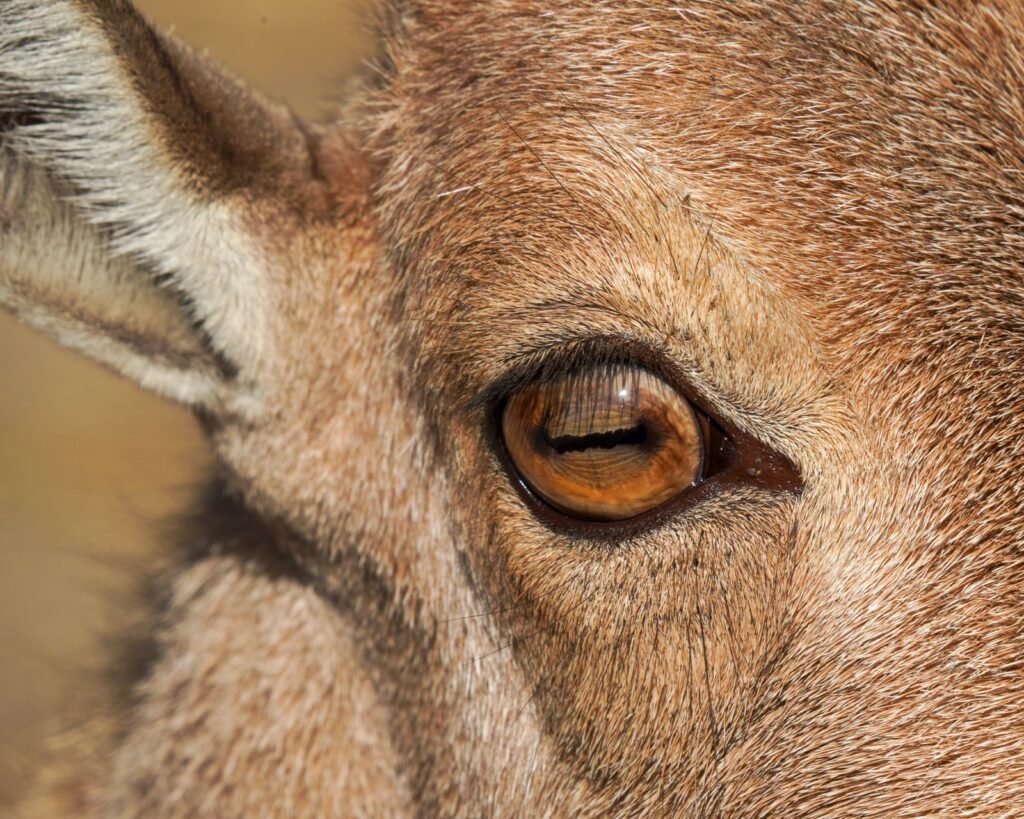
Of all goat diseases, internal parasites are the biggest everyday problem, and wireworm (Haemonchus contortus) is the worst of them. It is a blood-sucking worm in the fourth stomach. A heavy burden causes anaemia: pale pink or white inner eyelids and gums, weakness, poor growth and sometimes bottle jaw, a soft swelling under the chin. Goats with wireworm do not always scour, so do not wait for diarrhoea before you look.
Worms also cost you quietly in goats that never look sick. A Farmer’s Weekly guide to goat diseases lists weaker condition, lower libido, poorer mothering, less milk, slower kid growth and lower resistance to other diseases among the effects of a high worm load.
The best tool you have is the FAMACHA system. You score the colour of the inner eyelid against a card and dose only the goats that are pale, instead of dosing the whole flock every time. That saves remedy, and more importantly it slows down resistance, which is now a serious problem with many dewormers. Farmer’s Weekly explains how FAMACHA works, and most vets and co-ops can show you how to use the card.
A few practical rules:
- The same Farmer’s Weekly guide suggests dosing about three weeks after the first spring rain, and after that only when needed. Check eyelids every two weeks in the wet months.
- Young kids under two months may need regular treatment for milk tapeworm. Ask your vet about the right remedy and interval.
- Rotate camps where you can, and keep goats browsing bushes rather than grazing short, wet grass, where worm larvae are concentrated.
- Avoid damp, marshy areas if liver fluke occurs in your district.
- Dose new goats on arrival and keep them apart for a few days so they do not bring resistant worms onto your farm.
2. Heartwater
Heartwater is one of the most feared goat diseases in South Africa, especially in bont tick areas such as large parts of the Eastern Cape, KwaZulu-Natal, Limpopo and Mpumalanga. It is caused by a bacterium carried by the bont tick, the large tick with coloured, banded legs. Ticks pick it up from infected animals and pass it on when they feed, and cases rise after rain when tick numbers jump.
According to Farmer’s Weekly, the signs include a fever of 40°C or higher, strange behaviour such as walking along the fence, circling and falling, a high-stepping walk and, near the end, convulsions with paddling legs. At post-mortem there is fluid in the chest, abdomen and around the heart, swollen brain tissue and froth in the airways, which is where the Afrikaans name hartwater comes from.
Heartwater can be treated with oxytetracycline, but only if you catch it early. Once a goat is circling and having fits, the chances are poor. Take the temperature of any goat that looks dull during tick season.
Prevention rests on three things:
- Tick control with dips or pour-ons suited to goats. Many farmers in heartwater areas aim to keep tick numbers down rather than at zero, so that animals build some natural immunity. Talk to your vet about the right balance for your farm.
- Vaccination. Onderstepoort Biological Products makes a live blood vaccine for heartwater. It must be handled exactly as instructed, and vaccinated animals need to be watched and treated at the right time, so do it with your vet the first time.
- Care when moving goats. Goats from heartwater-free areas have no immunity. Moving them into a bont tick area without vaccination is asking for losses.
Heartwater also affects sheep and cattle. Our guide to sheep diseases in South Africa covers how it shows in sheep.
3. Pulpy Kidney and Other Clostridial Diseases
Pulpy kidney, or enterotoxaemia, is one of the goat diseases most likely to catch you off guard, and the classic cause of sudden death in goats. Often the first sign is a dead goat, and it tends to be one of your best: a fast-growing kid or a doe in good condition. It strikes when goats suddenly get more feed than they are used to, such as lush grazing after rain, a new ration or creep feed. In goats it can also show as diarrhoea and a slower, drawn-out illness rather than sudden death. Our guide to feeding goats explains how to change feed safely.
Pulpy kidney belongs to the clostridial group, which also includes red gut, malignant oedema, black quarter and tetanus. Farmer’s Weekly recommends a polyvalent inactivated vaccine, with kids vaccinated from about two months old and adults boosted every year six to eight weeks before the breeding season. Kids from vaccinated does also get some early protection through colostrum.
Goats may need boosters more often than sheep. The label for at least one goat clostridial vaccine, Zoetis Glanvac 3 for goats, calls for revaccination every six months to keep immunity against pulpy kidney. Follow the label of the product you buy and ask your vet what interval suits your herd.
Change rations slowly over a week or more, and do not turn hungry goats onto lush green growth all at once.
4. Coccidiosis and Pneumonia in Kids
Most goat losses on many farms happen in the first few months of life, and two goat diseases do most of the damage.
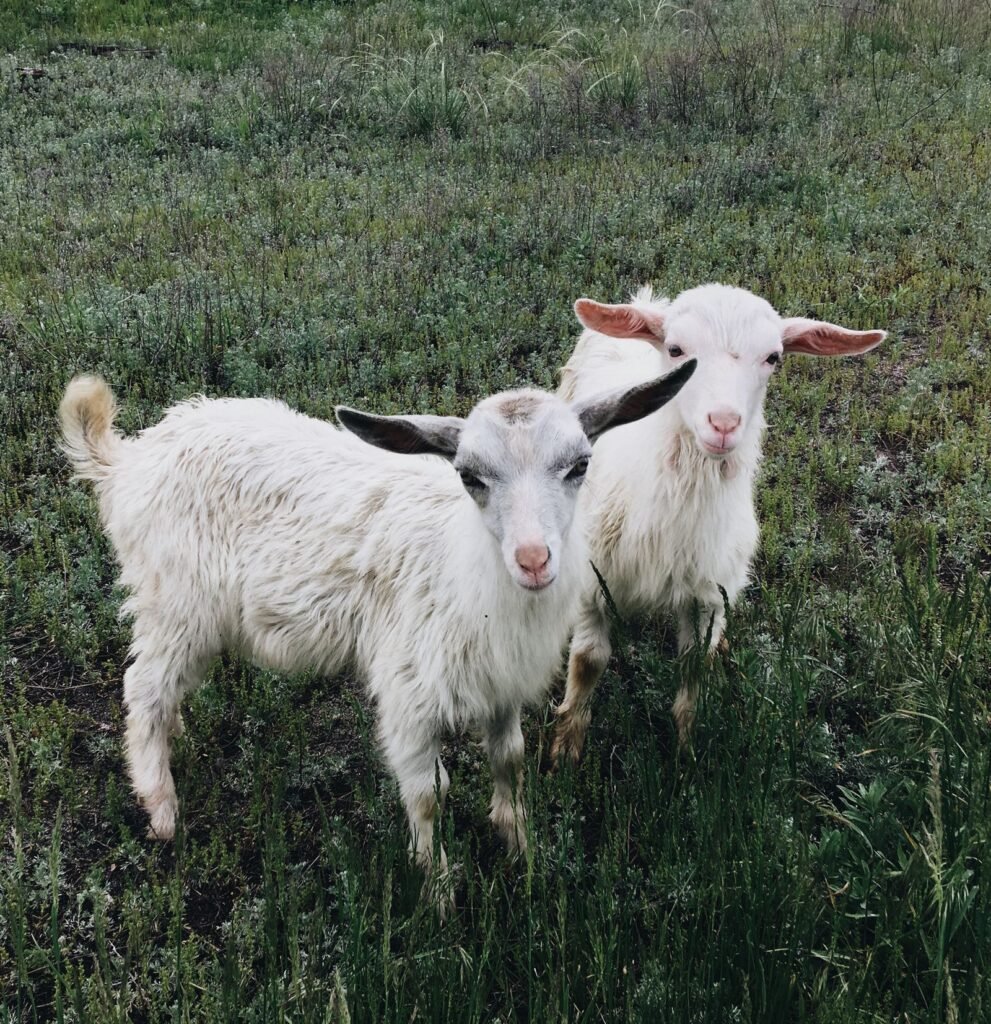
Coccidiosis is caused by a gut parasite that builds up where kids are kept together on dirty, damp ground or bedding. It causes diarrhoea, sometimes with blood, a rough coat, weight loss and stunting. In a South African study of a Saanen-cross dairy goat herd, kid mortality averaged 29% a year over three years, and coccidiosis was a major cause, mostly in kids aged two to four months, according to Donkin and Boyazoglu in the South African Journal of Animal Science.
Pneumonia often follows. The same study found that when pneumonia killed a kid, it was usually a complication of earlier coccidiosis that had already weakened it. Pneumonia also follows stress: cold, wet, windy weather, crowding, dusty or ammonia-heavy sheds, transport and weaning. Look for coughing, a runny nose, fast or laboured breathing, fever and goats that stop eating. Dry, well-ventilated goat housing prevents many of these cases.
To protect kids:
- Make sure every kid drinks colostrum within the first few hours of birth.
- Keep kid pens clean, dry and well ventilated, but free of draughts. Move feeding and water troughs so kids cannot dirty them with droppings.
- Do not overcrowd. Coccidia build up fast in small, busy pens.
- Give shelter from cold rain and wind, especially for kids born in winter.
- Ask your vet about preventive treatment for coccidiosis if you have had cases before, and treat sick kids early.
5. Orf (Scabby Mouth)
Orf, known locally as vuilbek, is one of the most contagious goat diseases. It is a virus that causes crusty, wart-like sores on the lips and mouth, and sometimes on the ears, feet and teats. Kids with sore mouths struggle to suckle or eat, and does with sores on the udder may refuse to let them drink. Most goats recover in a few weeks, but kids can lose a lot of condition.
Separate affected goats, give them soft feed, and wear gloves when you handle them, because people can catch orf on their hands. Farmer’s Weekly describes a traditional treatment of a paste made from two-thirds liquid paraffin and one-third tincture of iodine mixed into milking salve, applied two to three times a day until the sores heal. On farms where orf keeps coming back, ask your vet about the live orf vaccine, and do not use it on farms that have never had the disease.
6. Abscesses
Firm swellings under the jaw, in front of the shoulder or in the flank are often caused by Corynebacterium pseudotuberculosis, the bacterium behind caseous lymphadenitis. The thick, cheesy pus is full of bacteria and spreads the disease to the rest of the herd through shared feeders, fences and shearing or handling equipment.
If you open an abscess, do it away from the other goats, catch all the pus in a container, disinfect the wound and burn the contents afterwards, as Farmer’s Weekly advises. Goats that keep getting abscesses should be culled. A vaccine exists, but it only works when it is given consistently. Check the lymph nodes of every goat you buy before it joins your herd.
7. Brucellosis and Abortion Diseases
If several does abort around the same time, take it seriously. Brucellosis in goats is caused by Brucella melitensis, which is also one of the most dangerous forms of brucellosis for people. In humans it causes Malta fever, which can be caught from raw milk, unpasteurised cheese, aborted material and birth fluids.
According to the Department of Agriculture’s fact sheet, brucellosis in any species is a controlled disease under the Animal Diseases Act, and suspected cases must be reported to the state veterinarian immediately. In goats, the usual first sign is a wave of abortions, along with weak kids, retained afterbirths, lower milk yields and reproductive problems in bucks.
Farmer’s Weekly notes that kids can be vaccinated against brucellosis at three to four months old, and that enzootic abortion vaccine is given every year at least eight weeks before mating. Both vaccines can cause abortion or infertility in people, so pregnant women and women of childbearing age must not handle them. Always wear gloves when you handle aborted foetuses and afterbirths, and keep children and dogs away from them.
8. Krimpsiekte and Plant Poisoning
Goats browse a wider range of plants than sheep or cattle, which is mostly a strength but also a risk. Krimpsiekte, a poisoning caused by plants such as Tylecodon ventricosus, has been recognised in South African sheep and goats since 1775, according to a historical review in the Journal of the South African Veterinary Association. In 1891 it became the first plant shown experimentally to be toxic to livestock in South Africa, when a veterinary surgeon dosed its leaves to goats. The poison builds up over time, so goats that browse small amounts for weeks can still go down.
Hungry goats are far more likely to eat toxic plants, so poisoning cases rise in drought, after goats are moved into new camps and when they are trucked long distances. Learn the poisonous plants in your area from your vet, extension officer or neighbours, and do not put hungry goats into an unfamiliar camp.
Rift Valley Fever, Foot-and-Mouth and Other Notifiable Diseases
Some goat diseases are controlled diseases under the Animal Diseases Act. You must report them to the state veterinarian, and movement restrictions can apply to your farm.
- Rift Valley fever usually follows wet, rainy seasons, when mosquito numbers explode. Signs include a storm of abortions, sudden death in very young kids, fever, nasal discharge and diarrhoea. It also infects people.
- Foot-and-mouth disease affects goats as well as cattle, sheep and pigs, even if signs in goats are often milder. Follow the movement rules in your area and buy only from herds with the right health paperwork.
If you see unusual deaths, abortions or blisters in your herd, phone your vet or the state vet straight away. Early reporting protects your neighbours as well as your own goats.
A Simple Programme to Prevent Goat Diseases
Every farm is different, so build your programme with your vet. As a starting point, most goat farmers in South Africa plan around these steps:
- Before mating: booster clostridial vaccine six to eight weeks before the bucks go in, enzootic abortion vaccine where needed, and a body condition check.
- Kidding: clean kidding camps, colostrum for every kid, and a close eye on kids for the first weeks.
- Kids from two months: first clostridial vaccinations and booster, coccidiosis prevention where needed, and brucellosis vaccination of young does at three to four months where your vet recommends it.
- Wet season: FAMACHA checks every two weeks, tick control, and a watch for heartwater, pulpy kidney and Rift Valley fever.
- All year: clean water, good nutrition, records of every treatment and death, and post-mortems on unexplained losses.
Our guide to goat farming in South Africa covers feeding, kidding and housing alongside goat health.
Keeping Goat Diseases Off Your Farm When You Buy
Many outbreaks of goat diseases start with a new animal. Before you buy goats, ask:
- Which vaccines the goats have had, and when.
- Whether the herd has had abortions, abscesses or heartwater deaths.
- Whether the goats come from a bont tick area. Goats from tick-free areas need extra care if your farm has heartwater.
- Whether they have the right movement and health paperwork for your area.
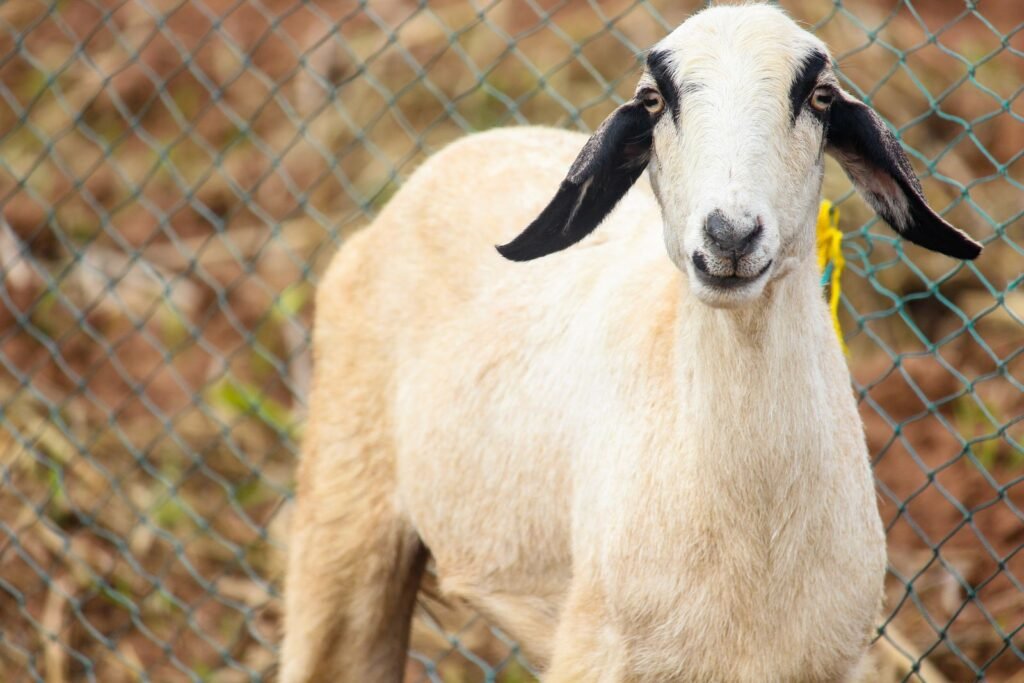
When the goats arrive, keep them apart from your herd for at least three weeks. Check eyelids, feet, lymph nodes and mouths, dose for worms and watch for coughing or diarrhoea. Our guide to buying livestock in South Africa covers the paperwork and payment checks.
Breed also plays a part. Hardy breeds such as Kalahari Red goats and Savanna goats are known for coping well with heat and tough conditions, while Boer goats grow faster but need good management to perform. No breed is immune to the goat diseases in this guide.
Frequently Asked Questions
What are the most common goat diseases in South Africa?
Wireworm and other internal parasites, heartwater, pulpy kidney, coccidiosis and pneumonia in kids, orf, abscesses and brucellosis are among the most common. Which ones matter most depends on your area, season and how the goats are kept.
What causes sudden death in goats?
Pulpy kidney is the most common cause of sudden death, especially in well-fed kids and goats on lush grazing or a new ration. Heartwater, plant poisoning and Rift Valley fever can also kill quickly. Have a vet do a post-mortem so you know what you are dealing with.
How do I know if my goat has worms?
Check the inner eyelid with a FAMACHA card. Pale pink or white eyelids point to anaemia from wireworm. Other signs are weakness, weight loss, a rough coat and bottle jaw. A faecal egg count from your vet or co-op confirms it.
How often should goats be vaccinated against pulpy kidney?
Kids are usually vaccinated from about two months old with a booster, and adults at least once a year before breeding. Some goat vaccine labels advise boosters every six months, so follow the label and your vet’s advice.
Can heartwater in goats be cured?
Yes, if it is treated early with oxytetracycline. Once the goat shows nervous signs such as circling or fits, many die even with treatment. Tick control and vaccination are the best protection.
Can people catch diseases from goats?
Yes. Brucellosis, orf and Rift Valley fever can all infect people. Wear gloves when handling aborted material, sores and sick goats, and do not drink raw goat milk from untested herds.
Why are my goat kids dying?
Kids often die from starvation or cold in the first days, and from coccidiosis and pneumonia at two to four months. Colostrum, clean and dry pens, shelter and early treatment prevent most of these losses.
Do I have to report goat diseases?
Yes, for controlled diseases such as brucellosis, foot-and-mouth disease and Rift Valley fever. Report suspected cases to the state veterinarian straight away.
Final Thoughts
Most goat diseases in South Africa follow a pattern you can plan for: worms and heartwater after rain, pulpy kidney when feed changes, coccidiosis and pneumonia in young kids, and abortion diseases around kidding. Work out a health programme with your vet, check your goats often, keep records and buy only healthy animals from herds you can trust, and you will avoid most of the losses that set new farmers back. If you are building or growing a herd, have a look at our Boer goats for sale and Kalahari Red goats for sale, or send us your requirements and we will get back to you with a written quote, including delivery to your farm.
Looking to buy goats?
Tell us the breed, age group, quantity and delivery area. We reply with availability, pricing and transport costs, usually within one working day.
DRM LIVE STOCK is a registered South African livestock company (Company No. K2023207798, VAT No. 4640323079) based at 135 Rocklands Rd, Uitenhage Farms, Gqeberha. We supply cattle, goats, sheep and pigs, with delivery across South Africa.