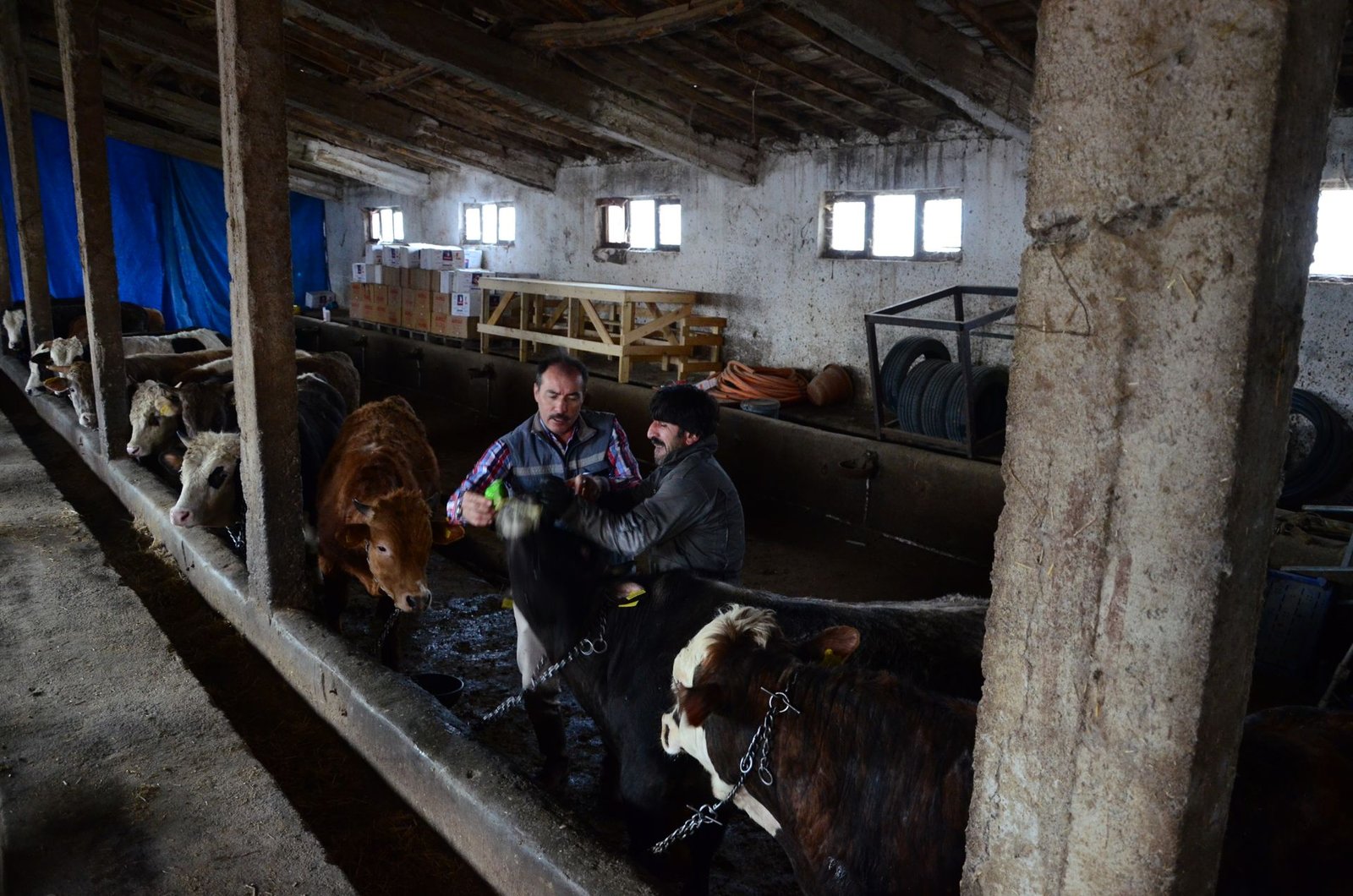
Buying livestock in South Africa for the first time can feel like walking into a market where everyone else knows the rules. Prices vary wildly, sellers speak a language of their own, the paperwork is unfamiliar, and there is always someone online offering cattle or goats at a price that seems too good to miss.
The good news is that the rules are not complicated once you know them, and most costly mistakes are easy to avoid. This guide walks you through the whole process in eight practical steps, from deciding what to buy to getting your new animals settled on the farm. It applies to cattle, sheep, goats and pigs, with notes on where the species differ.
Step 1: Decide Exactly What You Need Before You Look
The biggest mistake beginners make is shopping before they have a plan. Start with your farm, not with the animals on offer.
- Your market: are you producing weaners for feedlots, lambs for speculators, goats for the live and ceremonial market, or pigs for an abattoir? The market decides the species and often the breed.
- Your veld and climate: sweetveld or sourveld, bushveld or Karoo, high or low tick pressure. Choose animals adapted to your conditions.
- Your carrying capacity: ask your local extension officer or an experienced neighbour how many animals your land can carry through a dry year, not a good one.
- Your infrastructure: fencing, water in every camp, a handling facility and, for pigs, proper housing. Animals should never arrive before these are ready.
- Your time and skills: some systems, like a farrow-to-finish piggery, need daily hands-on work. Extensive cattle or hardy small stock are more forgiving.
If you are still choosing a breed, our comparisons of Bonsmara vs Nguni cattle and Dorper vs Meatmaster sheep set out the trade-offs clearly. For a wider overview, read our guide to livestock farming in South Africa.
Step 2: Set a Realistic Budget
Know what the market is paying before you talk to any seller. Auction reports are the best guide because they show what buyers actually paid. As a rough picture from 2026 auctions:
| Animal | Typical 2026 range | Our detailed guide |
|---|---|---|
| Commercial Bonsmara cows with calves | About R22,000 to R30,000 | Bonsmara cattle prices |
| Weaner calves (200 to 250 kg) | About R46 to R52 per kg | Bonsmara cattle prices |
| Herd Boer goat does at a club auction | About R6,800 | Boer goat prices |
| Flock Dorper ewes and rams | About R3,000 (ewes) and R7,800 (rams) | Dorper sheep prices |
Then add the costs that beginners forget:
- transport, which can be a large share of the cost over long distances
- vaccines, dosing remedies and tick control for the first months
- licks or supplementary feed while the animals adapt
- repairs to fences, water points and handling pens
- a reserve for losses and for a dry year
A useful rule is to keep money back after the purchase. A farmer who spends everything on animals has nothing left when the first drought or disease arrives.
Step 3: Choose Where to Buy
Each way of buying livestock has its place. Here is how they compare.
Auctions
Auctions give you transparent prices and a wide choice, and production auctions let you buy directly from known studs. The downside is that you have little time to inspect each animal, you pay commission, and you still need to arrange transport. Go to a few auctions as a spectator first to learn how they work.
Breeders and studs
Buying directly from a breeder lets you see the herd, the veld the animals were raised on and the records behind them. This is often the best option for bulls, rams and bucks. Breed societies can put you in touch with registered breeders.
Livestock suppliers
A reputable supplier can source specific numbers and types of animals for you, handle the paperwork and arrange delivery to your farm. This saves time, especially if you are buying from far away. Check that the business is registered and ask for references.
Private sales and online adverts
Many honest farmers sell privately, and you can find good animals this way. But online adverts are also where most livestock scams happen, so apply every check in the next step before you pay anything.
Step 4: Check the Seller Before You Pay Anything
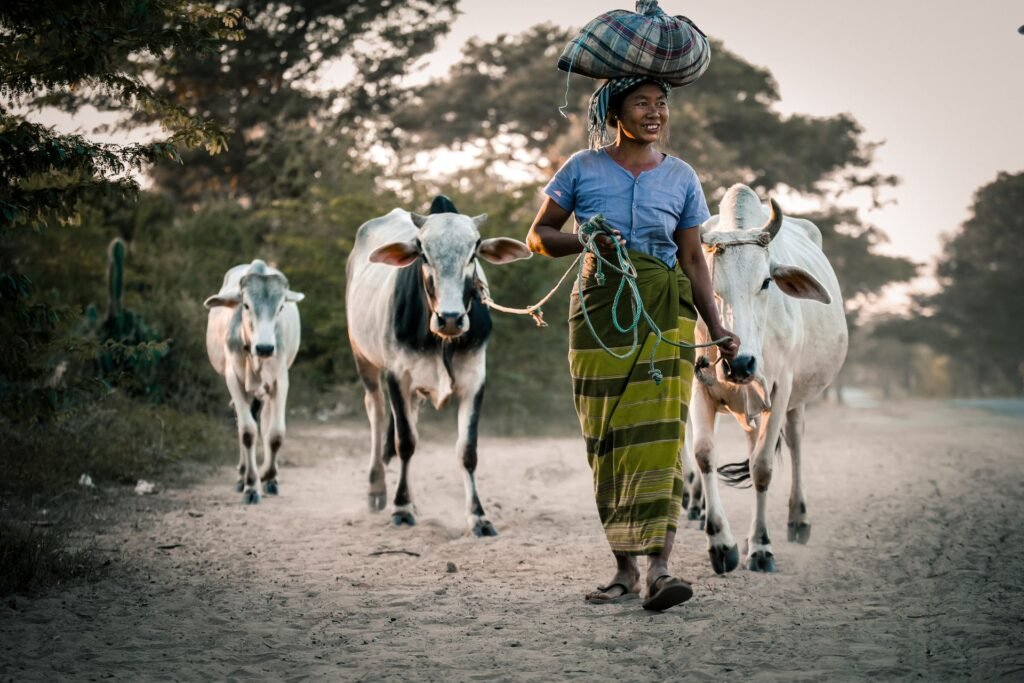
Livestock fraud is common, especially on social media and classified sites. Scammers copy photos from real farms, advertise animals at prices below the market, ask for a deposit to “reserve” the animals, and then disappear. Protect yourself with these checks:
- Be suspicious of prices far below the market. Compare the price with recent auction averages. If it is much cheaper, there is usually a reason.
- Verify the business. A genuine company can give you its registration number, a physical address, a landline or business email and references from past buyers. Check the registration number with CIPC.
- Get the animals identified in writing. Ask for the ear tag numbers or brands of the specific animals on your quote, and check them when the animals arrive.
- Pay a business account, never a personal one, and be very careful of any seller who pressures you to pay quickly.
- Get a written quote listing the number, type, age and price of the animals, the transport costs and the delivery date.
- Never pay in full before you have proof that the animals exist and belong to the seller.
A real seller will not mind any of these questions. Someone who refuses to answer them has told you everything you need to know.
Step 5: Inspect Every Animal
You do not need to be a vet to spot most problems. Take your time, and look at every animal, not just the best ones at the front of the pen.
General health checks for all species
- Alert and active: bright eyes, ears up, interested in its surroundings.
- Condition: not thin, with no visible hip bones or ribs, but not over-fat either.
- Walk: watch each animal walk on a hard surface. Lameness is costly and often long-lasting.
- Breathing and discharge: no coughing, no laboured breathing, no discharge from the eyes or nose.
- Skin and coat: no heavy tick loads, sores, lumps or bald patches.
- Dung: no diarrhoea or dirty hindquarters.
Cattle
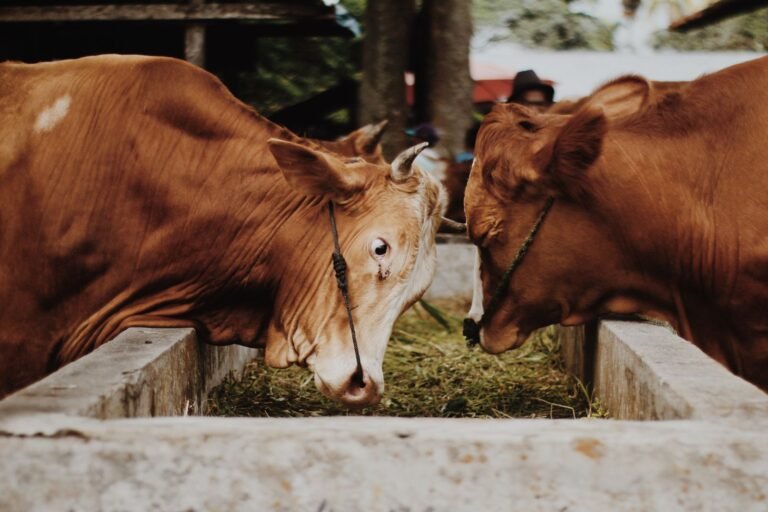
Check teeth to confirm age, look at udders and teats on cows and heifers, and ask whether females are pregnancy-tested. For bulls, insist on a recent breeding soundness examination by a vet. Our cattle farming guide covers what to look for in more detail.
Sheep and goats
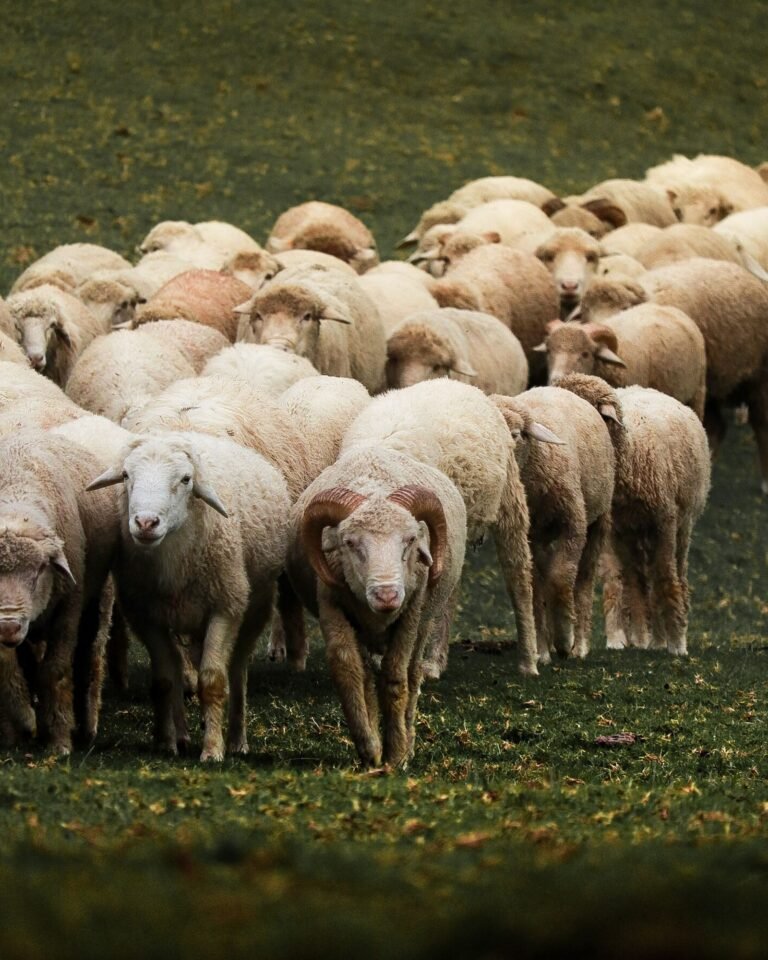
Check the mouth for a correct bite and sound teeth, feel the udder for lumps and check for two working teats, and feel both testicles on rams and bucks. Look at the inside of the lower eyelid, which should be pink rather than pale, as pale membranes can point to heavy worm loads.
Pigs
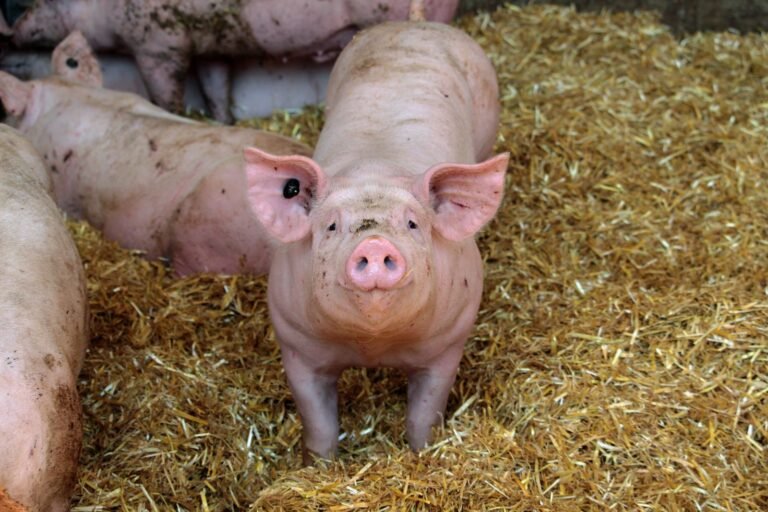
Watch pigs walk, as leg problems shorten a breeding pig’s working life. Gilts and sows should have at least 12 to 14 evenly spaced teats. Listen for coughing, check the skin, and ask about the herd’s vaccination programme and disease history. Our pig farming guide explains biosecurity in more detail.
Step 6: Get the Paperwork Right When Buying Livestock
Paperwork protects you from stock theft claims, disease problems and trouble at the next sale. This is where many beginners get caught out.
Document of identification
Under the Stock Theft Act, livestock that is sold must be accompanied by a document of identification. According to Stock Theft Prevention, it must include:
- the full name and address of the owner and of the buyer
- the date of the sale
- a certification that the animals are the seller’s property, or that the seller is authorised to sell them
- the breed or type and number of animals, with their brand, tattoo or other identification marks
- for unmarked animals, their sex, number and colour
Do not accept delivery without it. As the buyer, you must keep the document for at least one year and produce it if asked.
Identification marks
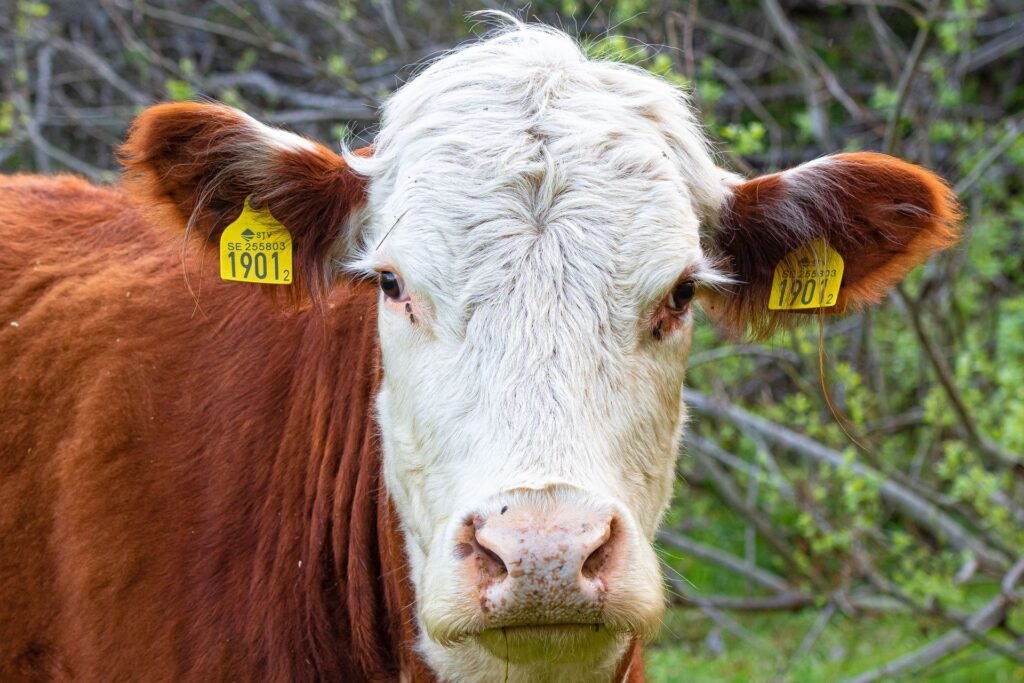
The Animal Identification Act requires cattle, sheep, goats and pigs to carry a registered permanent identification mark, such as a brand or tattoo. Ear tags are useful for management, but they do not replace a registered mark, as Farmer’s Weekly explains. Newly bought animals must be marked with your own registered mark within 14 days of the change of ownership, so register your own mark before you buy.
Health attestation and movement permits
Because of foot-and-mouth disease, every movement of cloven-hoofed livestock now needs a health attestation (an owner’s declaration), and movement permits are required in areas under FMD control measures. Guidance published by the Garden Route District Municipality in February 2026 lists the health attestation, a movement permit where applicable and the Stock Theft Act identification forms as the documents you need. Rules change as the disease situation changes, so check with your local state veterinarian before you buy.
Health records
For cattle, brucellosis is a controlled disease, and all heifers must be vaccinated. The rural vets’ association RuVASA advises buyers to insist on vaccination records and recent negative herd tests from the farm of origin. For all species, ask for records of vaccinations, dosing and any disease problems.
Registration papers
If you are buying stud animals, make sure you receive the registration certificates and that the transfer to your name is done through the breed society.
Step 7: Plan the Transport
Poor transport can undo all your careful buying. Stress, heat, overcrowding and long hours without water all cause losses.
- Use a vehicle that is suitable for the species, with non-slip flooring and good ventilation.
- Make sure the vehicle has been cleaned and disinfected, with all manure removed, before it loads your animals. This is part of current FMD guidance.
- Do not overload. Animals need enough space to stand without being crushed.
- Plan the route to avoid long delays, and travel in the cooler part of the day in summer.
- Keep the documents of identification, health attestation and any permits in the vehicle.
- Never mix animals from different sources on the same load if you can avoid it.
Step 8: Quarantine and Settle Your New Animals
New animals should never go straight into your existing herd or flock. Current FMD guidance says animals must be quarantined for a minimum of 28 days after movement.
- Use a separate camp or pen with its own water, well away from your other animals.
- Watch them every day for signs of illness, lameness or blisters on the mouth or feet, and call your vet immediately if you are worried.
- Vaccinate and dose according to your vet’s programme for your area. Animals from a different region may not be immune to local diseases.
- Introduce new feed slowly. Sudden changes in diet cause digestive problems.
- Handle them quietly so they learn your handling system and settle down.
Animals moved from dry areas to humid, tick-heavy areas are especially vulnerable in their first season. Ask your vet about tick-borne disease risks before they arrive.
Buying Livestock in South Africa at an Auction: Tips for First-Timers
Auctions move fast, and the first one can be intimidating. A little preparation makes a big difference.
- Register before the sale. Most auctioneers need you to register as a buyer, usually with your ID and contact details, and some ask for proof that you can pay. Many auctions are also streamed online, so ask whether you can register and bid remotely.
- Get the catalogue early. Production auctions publish catalogues with performance data. Mark the lots you want and your maximum price for each one.
- View the animals before the sale starts. Arrive early, walk the pens and look at every lot you are interested in. Once bidding starts, there is no time to inspect.
- Set a limit and stick to it. It is easy to get carried away when bidding is lively. Decide your top price in advance and let the lot go if it passes that figure.
- Understand the costs. Ask about buyer’s commission, VAT and payment terms, and include them in your budget.
- Arrange loading and transport. Know when animals must be collected, and have your transport and paperwork ready before the sale ends.
If you are unsure, go with an experienced farmer or ask the auctioneer’s field staff for advice. They see thousands of animals and are usually happy to help a new buyer.
Common Mistakes When Buying Livestock in South Africa
- Buying on price alone. Cheap animals that are sick, old or poorly adapted end up costing more.
- Buying before the farm is ready. Fences, water and handling facilities come first.
- Overstocking. Too many animals for the veld leads to poor condition, low fertility and damaged grazing.
- Skipping the paperwork. Without documents of identification and a health attestation, you risk legal trouble and cannot easily resell the animals.
- Paying deposits to unverified online sellers. This is the most common way beginners lose money.
- Skipping quarantine. One sick animal can infect your whole herd.
- Buying animals from a very different climate without planning for their adaptation.
- Spending too little on the male. The bull, ram, buck or boar affects every animal born on your farm.
Buying Livestock from DRM Livestock
DRM Livestock is a registered South African company (registration number K2023207798) that supplies cattle, sheep, goats and pigs to farmers across the country. We send a written quote before any sale, every animal comes with identification documents, and we work with the state vet on movement permits and health requirements. We also arrange transport to your farm.
Browse our cattle, sheep, goats and pigs, or request a quote with what you need and where your farm is. We are happy to answer any of the questions in this guide before you buy.
Frequently Asked Questions About Buying Livestock in South Africa
What documents do I need when buying livestock in South Africa?
You need a document of identification from the seller under the Stock Theft Act, a health attestation (owner’s declaration) for cloven-hoofed animals, and a movement permit where FMD control measures apply. For stud animals, you also need registration certificates, and for cattle, brucellosis vaccination records.
Do I need my own brand mark before buying livestock?
Yes, it is best to register one before you buy. Under the Animal Identification Act, newly acquired animals must be marked with the new owner’s registered mark within 14 days of the change of ownership.
How long should new livestock be quarantined?
Current foot-and-mouth disease guidance requires new animals to be quarantined for a minimum of 28 days after movement, in a separate camp away from your other livestock.
Is it safer to buy livestock at an auction or online?
Auctions and registered suppliers are generally safer than private online adverts, because the sale is public or the seller can be verified. If you buy online, verify the seller, get the quote and invoice in writing and never pay a deposit to a personal account.
Which livestock is best for a beginner in South Africa?
Hardy, adaptable animals suited to your area are the best start. Many beginners do well with meat goats, hair sheep such as the Dorper or Meatmaster, or hardy cattle such as the Nguni, because they are forgiving and do not need shearing or intensive housing.
How can I tell if a livestock advert is a scam?
Warning signs include prices well below auction averages, pressure to pay a deposit quickly, payment to a personal account, no physical address or registration number, and refusal to put the quote in writing.
Final Thoughts
Buying livestock in South Africa does not have to be risky. Know what you need, set a realistic budget, buy from a seller you can verify, inspect every animal, insist on the right paperwork, plan the transport and quarantine your new animals. Follow those eight steps and you will avoid the mistakes that cost most beginners money. When you are ready to buy, send us your requirements and we will get back to you with a written quote.
Looking to buy livestock?
Tell us the breed, age group, quantity and delivery area. We reply with availability, pricing and transport costs, usually within one working day.
DRM LIVE STOCK is a registered South African livestock company (Company No. K2023207798, VAT No. 4640323079) based at 135 Rocklands Rd, Uitenhage Farms, Gqeberha. We supply cattle, goats, sheep and pigs, with delivery across South Africa.