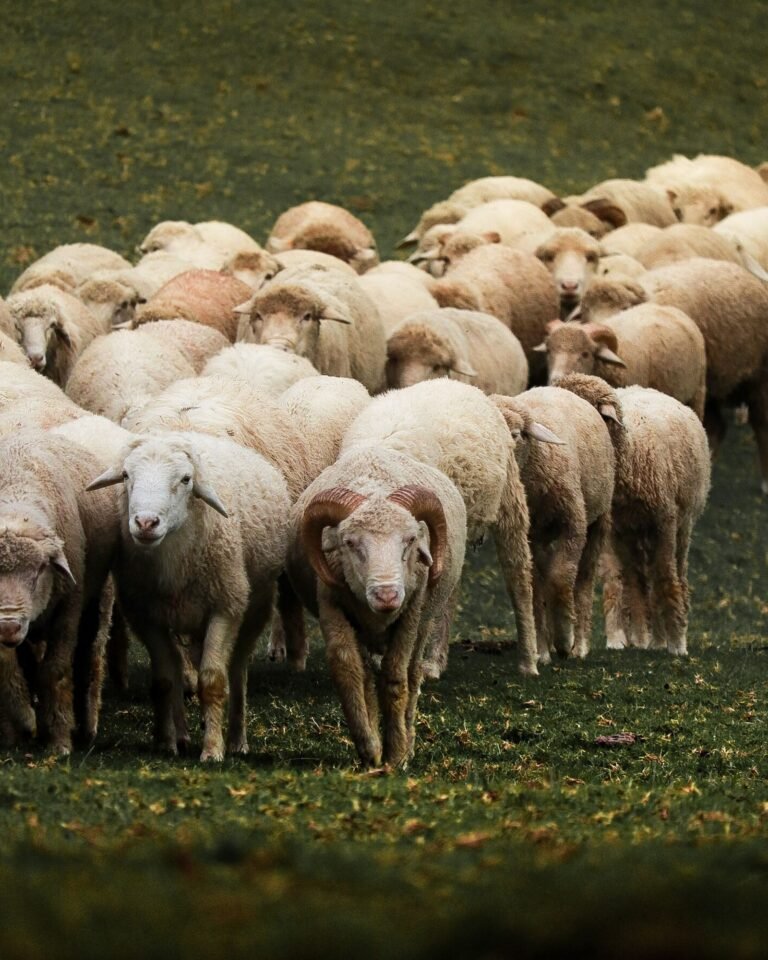
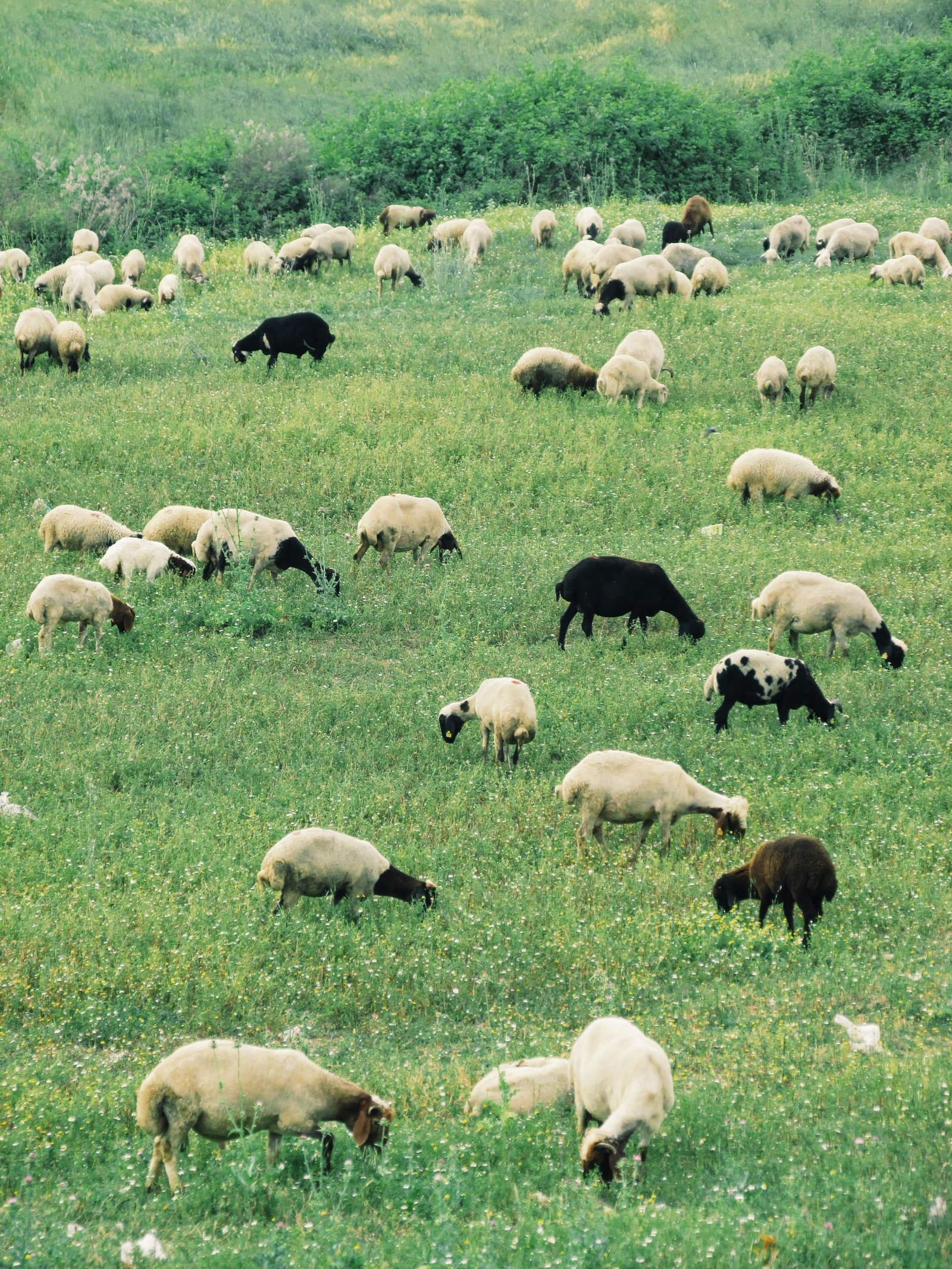
Dorper vs Meatmaster is a question more and more sheep farmers are asking, especially in the drier parts of the country. The Dorper is the proven workhorse of South African mutton production, with more than 70 years of breeding behind it. The Meatmaster is the newcomer, a hardy composite bred by farmers who wanted the toughness of the indigenous fat-tailed sheep without the fat tail.
Both are meat breeds, both carry hair rather than a wool fleece that needs shearing, and both sell into the same lamb market. The differences are in the detail, and those details decide which one will make you more money on your farm. This guide covers the seven that matter most, with real figures from breed sources and 2026 auctions.
Dorper vs Meatmaster at a Glance
| Dorper | Meatmaster | |
|---|---|---|
| Origin | Developed from the 1930s at Grootfontein in the Karoo | Developed by farmers from the late 1980s and 1990s |
| Parent breeds | Dorset Horn rams on Blackhead Persian ewes | Damara base crossed mainly with the Dorper |
| Recognised | Named in 1947, breed society founded in 1950 | Registered as a breed in 2007 |
| Mature ewe weight | About 50 to 80 kg | About 60 to 70 kg |
| Mature ram weight | About 90 to 120 kg | About 85 to 105 kg |
| Coat | Light hair coat, no shearing needed | Short, shiny hair with a woolly undercoat |
| Main strength | Fast-growing lambs, carcass quality, a huge and proven market | Hardiness, parasite and disease resistance, low inputs |
The weights come from breed profiles published by ProAgri. Individual flocks vary a lot with veld and management, but the table gives you the shape of each breed.
1. Where the Dorper and Meatmaster Come From
The Dorper came out of government research. From the 1930s, the Grootfontein agricultural institute in the Karoo crossed Dorset Horn rams with Blackhead Persian ewes, looking for a sheep that would lamb well, grow fast on the veld and cope with extreme temperatures and tough vegetation, without needing to be shorn. The breed was named in 1947, and the Dorper Breeders’ Society was formed by 28 farmers and 11 officials on 19 July 1950, according to Dorper SA. The society estimates there are now more than five million Dorpers in South Africa.
The Meatmaster came from farmers. In the late 1980s and 1990s, a small group of breeders, including Clynton Collett of Venterstad and Jean du Plessis of Strydenburg, felt that none of the existing breeds gave them the sheep they wanted. They started with the Damara, an indigenous fat-tailed breed known for its survival ability, and crossed it mainly with the Dorper. Du Plessis described the Damara and Dorper combination as a match made in heaven. The society held its first general meeting in February 2005, and the Meatmaster was registered as a breed in 2007, as Farmer’s Weekly reported in July 2026. For a closer look at the breed standard, fertility and hardiness, see our complete guide to Meatmaster sheep.
So the Meatmaster is not really a rival from outside. It carries a lot of Dorper blood. The difference is that it was selected for the Damara’s hardiness first, while the Dorper was selected for meat production first.
2. Dorper vs Meatmaster: Size, Growth and Lamb Performance
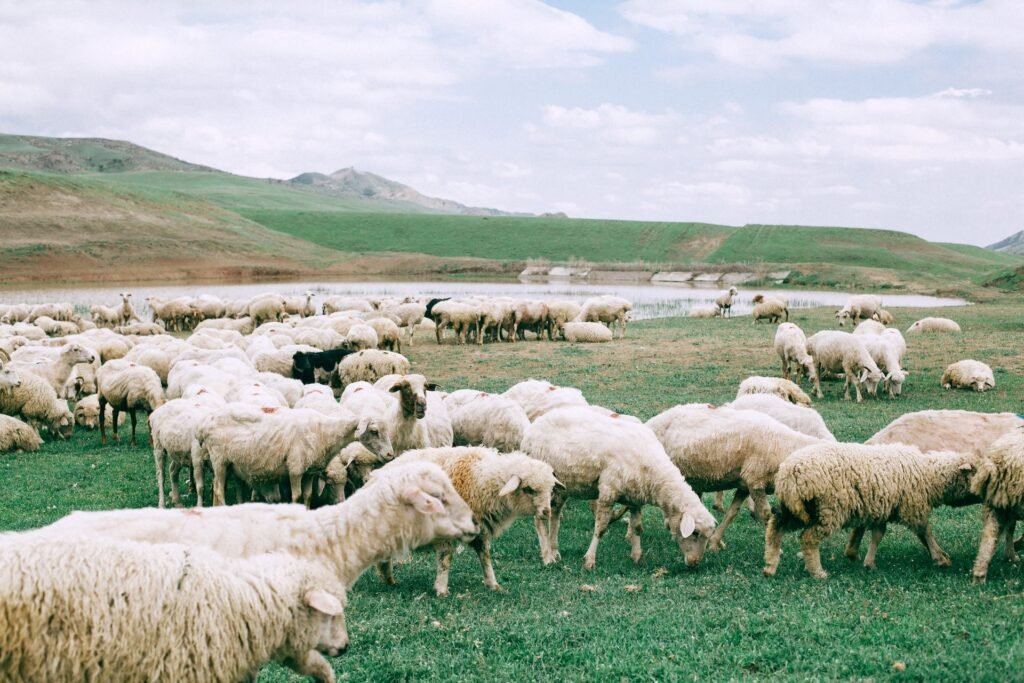
The two breeds are close in size. ProAgri puts mature Dorper rams at 90 to 120 kg and ewes at 50 to 80 kg, with Meatmaster rams at 85 to 105 kg and ewes at 60 to 70 kg.
Where the Dorper shines is lamb growth. Dorper lambs are known for reaching slaughter weight early, with ProAgri quoting 36 kg at three and a half to four months under good conditions. Meatmaster lambs are quoted at about 27 kg at 100 days and around 38 kg at five months.
Treat these as breed averages under good conditions, not guarantees. On many Karoo and Northern Cape farms, the veld, the season and your ewes’ condition will decide lamb growth far more than the breed name.
3. Dorper vs Meatmaster Hardiness: Parasites and Disease
This is the Meatmaster’s strongest argument. Its founders set out to capture the Damara’s fertility, resistance to disease and to internal and external parasites, and its ability to survive extreme drought, while adding better muscling. The breed society describes it as a low-input, high-output sheep, and breeders report very strong resistance to ticks and viral diseases.
That matters in the real world. At the Sutherland Karoo Meatmaster Club auction in March 2026, the sheep on offer came from drought-stricken farms around Sutherland, Calvinia, Fraserburg, Merweville and Laingsburg, and still sold well, as reported by African Farming.
The Dorper is no weakling either. It was bred to cope with harsh weather, extreme temperatures and tough vegetation, and it thrives in conditions where many other breeds cannot. But in areas with heavy worm or tick loads, or on farms where you cannot dose and dip often, many farmers find the Meatmaster needs less intervention.
4. Fertility, Mothering and Lambing
The Dorper has a long breeding season and can lamb at any time of year, which lets you plan lambing to suit your veld and your market. Dorper ewes are known as good mothers, and ProAgri notes lambing percentages of 150% to 180% are possible under good conditions, with about 100% more realistic under extensive veld conditions.
The Meatmaster was selected for fertility from its Damara roots and for lambs that are strong and active at birth, which improves survival in cold or harsh lambing conditions. On extensive farms where ewes lamb in the veld without much help, lamb survival often matters more than lambing percentage on paper.
In both breeds, the ewe’s condition at mating is still the biggest driver of how many lambs you wean. Flush your ewes and keep them in good condition, and either breed will reward you. For more on this, read our guide to Dorper sheep breeding.
5. Veld, Coat and Management
Neither breed needs shearing, which saves labour and money. The Dorper has a light hair coat and was bred specifically so that it would not need shearing. The Meatmaster has a short, shiny outer coat with a woolly undercoat and is also a hair-type sheep.
Both are good at using mixed veld and bushy Karoo vegetation. The Dorper is famous for utilising tough vegetation that other breeds leave behind. The Meatmaster, with its Damara background, is often described as a hardy forager that holds condition through dry periods.
In management terms, the Dorper responds well to good feeding and pays you back with fast-growing lambs. The Meatmaster suits farmers who want a lower-input system and cannot always provide ideal feed, labour or veterinary care.
6. Carcass and the Lamb Market
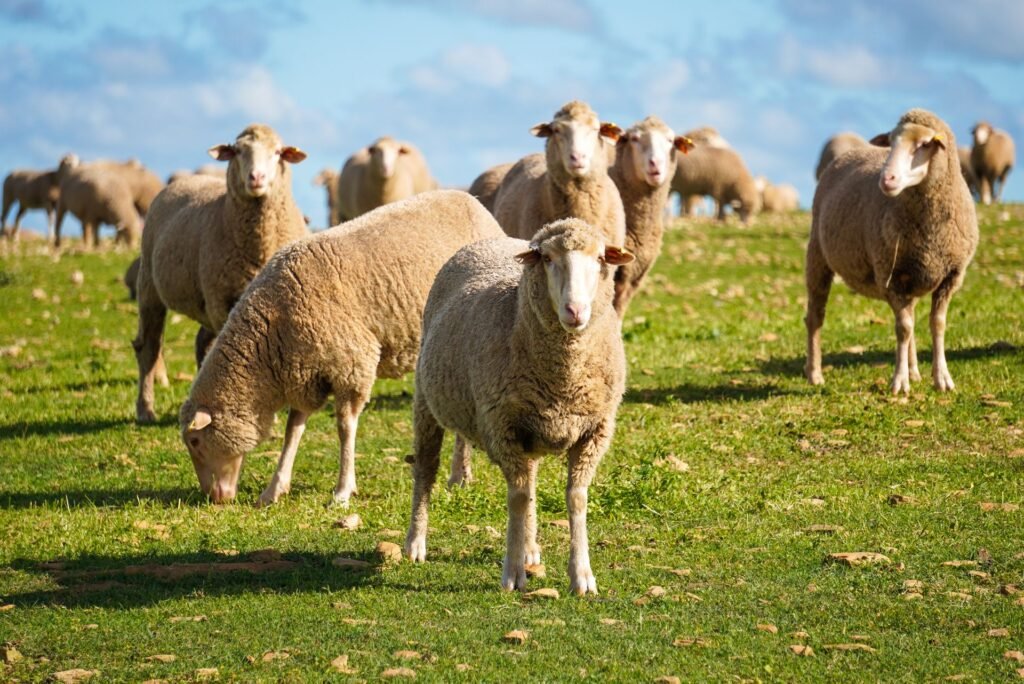
Both breeds produce lamb for the same market, and abattoirs and speculators pay mainly on weight, grade and condition. Lamb prices were strong at the start of 2026. At Vleissentraal Port Elizabeth in January 2026, slaughter lambs averaged R51.30/kg and store lambs R53.64/kg, according to African Farming.
The Dorper has the advantage of reputation. Buyers everywhere know it, and Dorper lamb is well established. The Meatmaster was bred specifically to be a non-fat-tailed sheep with good muscling and proper fat distribution, so that its lambs grade well instead of carrying fat in the tail. Buyers who know the breed rate it highly, but in some areas it is still less familiar than the Dorper.
If you sell mostly to speculators or at local auctions, ask what they pay for each breed in your area before you decide.
7. Dorper vs Meatmaster Prices in 2026
Here is what breeding stock sold for at recent auctions.
Dorper
At the 5-Star auction at the Upington showgrounds on 20 March 2026, reported by African Farming:
- Flock rams: R7,785 average
- Stud rams: R10,500 average
- Top-grade (T5) rams: R17,650 average, with the top ram at R60,000
- White Dorper flock ewes: R3,000 average
- White Dorper stud ewes: R4,125 average
Meatmaster
At the Sutherland Karoo Meatmaster Club auction on 19 March 2026, 42 rams averaged R13,107, with a top price of R30,000, while 88 pregnant ewes averaged R4,070 and 124 open ewes R3,579.
At the Transveld Meatmaster Club auction in Pretoria on 6 February 2026, ewes averaged R4,662, pregnant ewes R5,101, registered ewes R5,383, rams R11,833 and registered rams R14,300, according to African Farming.
At the top end, the Ochre Meatmaster stud production auction on 14 March 2026 averaged R26,800 for registered rams and R10,875 for registered ewes, with one pregnant ewe selling for R72,000, as reported by African Farming.
| Category | Dorper (March 2026) | Meatmaster (February to March 2026) |
|---|---|---|
| Flock or commercial ewes | R3,000 average | R3,579 to R4,662 average |
| Flock or commercial rams | R7,785 average | R11,833 to R13,107 average |
| Stud or registered rams | R10,500 to R17,650 average | R14,300 to R26,800 average |
On these 2026 figures, Meatmaster breeding stock sold at a premium to Dorper stock, especially rams. That reflects strong demand for the breed and a smaller number of animals on offer. Prices change from sale to sale, so use these as a guide only. Our Dorper sheep price guide goes into more detail on what drives Dorper prices. For lamb and mutton prices and breeding stock prices across more breeds, read our guide to sheep prices in South Africa.
What It Costs to Start a Flock of Each Breed
To put the Dorper vs Meatmaster price difference in perspective, here is a simple example for a starter flock of 50 ewes and two rams, using the 2026 auction averages above. It covers buying costs only, not transport, handling or veterinary costs.
| Item | Dorper | Meatmaster |
|---|---|---|
| 50 flock ewes | 50 x R3,000 = R150,000 | 50 x R3,579 = R178,950 |
| 2 flock rams | 2 x R7,785 = R15,570 | 2 x R13,107 = R26,214 |
| Total | R165,570 | R205,164 |
On these figures, the Meatmaster flock costs roughly R40,000 more to buy. Whether that pays back depends on your farm. If the Meatmaster saves you on dosing, dipping, supplementary feed and losses every year, the extra cost can be recovered over a few seasons. If your veld and management already suit the Dorper, the cheaper flock with faster-growing lambs may be the better investment. Work out your own figures with your local prices and your real costs.
Dorper vs Meatmaster: Which Should You Choose?
The right breed depends on your farm and your plans, not on which breed wins at the show.
Choose the Dorper if:
- You want fast-growing lambs and can feed your ewes well.
- You sell into a market where Dorper lamb is known and valued.
- You want the widest choice of breeding stock and the easiest resale.
- You want lower buying costs for your starting flock.
Choose the Meatmaster if:
- Your farm has heavy worm or tick loads, or you cannot dose and dip often.
- You farm in a dry, harsh area where survival and low inputs matter most.
- You want a hardy, non-fat-tailed sheep with good muscling.
- You are prepared to pay a bit more for breeding stock for lower running costs.
Many farmers also run both, using Dorper rams on some ewes for fast lamb growth and keeping Meatmaster ewes for hardiness. Since the Meatmaster already carries Dorper blood, the two breeds work well together. Just keep good records so you know which ewes perform best.
Running a Flock Through a Drought
Drought is where the Dorper vs Meatmaster choice shows up most clearly on the farm. When the veld dries out, ewes lose condition, conception rates drop and lamb survival suffers.
Dorper ewes cope well with dry conditions and use tough Karoo bushes that other breeds ignore, but to keep them lambing well and their lambs growing fast, most farmers need a sound lick and supplementary feeding plan in a bad year.
Meatmaster ewes, with their Damara background, are bred to hold condition and keep producing when feed is short. Many breeders say that is exactly why they switched. That does not mean you can skip feeding in a drought, but it does give you more room for error.
Watch your ewes closely during a drought, whatever the breed. Score their condition regularly by handling them over the back and loin, not just by looking, because a hair coat can hide weight loss. Move thin ewes to better camps or start supplementing them early, before they lose too much condition to recover.
Whichever breed you choose, reduce stock numbers early in a drought, keep your best young ewes, and do not let ewes drop too far in condition before mating.
What to Check When Buying Dorper or Meatmaster Sheep
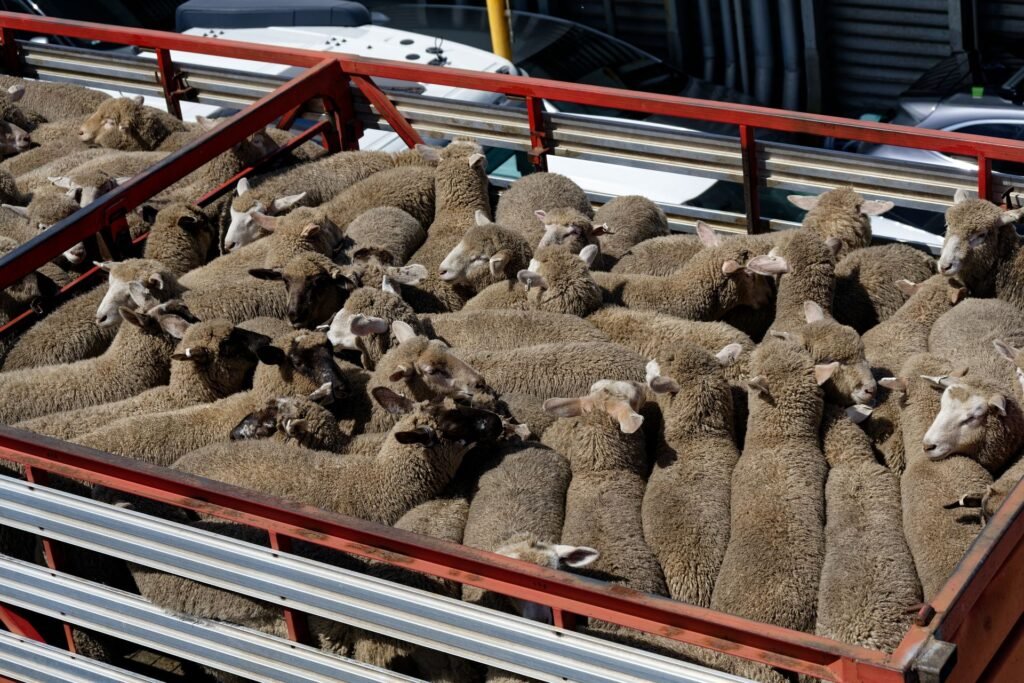
- Mouth and teeth: check age and look for a correct bite.
- Legs and feet: sheep must walk freely on the veld.
- Udders on ewes: two sound, even teats with no lumps.
- Testicles on rams: two firm, even testicles. Ask for a breeding soundness check.
- Condition: neither thin nor over-fat, with good muscling.
- Adaptation: sheep from a similar climate to yours settle faster.
- Paperwork: identification for every animal, registration papers for stud sheep and any movement permits required.
The Meatmaster SA breed society and Dorper SA can put you in touch with registered breeders and upcoming auctions.
Buying Dorper and Meatmaster Sheep from DRM Livestock
We supply Dorper and Meatmaster sheep to farmers across South Africa, including lambs, young ewes, pregnant ewes and breeding rams, with transport arranged to your farm. Every animal comes with identification documents, and we work with the state vet on any movement permits.
See what we offer on our Dorper sheep for sale and Meatmaster sheep for sale pages, or request a quote with the number and type of sheep you need and your farm location. For a wider look at the Dorper, read our guide to Dorper sheep in South Africa. If you are weighing up wool breeds too, read our comparison of Merino vs Dohne Merino.
Frequently Asked Questions About Dorper vs Meatmaster
Is the Meatmaster better than the Dorper?
Not in general. The Meatmaster is hardier and needs fewer inputs, while the Dorper usually has faster-growing lambs and a bigger, better-known market. The better breed is the one that suits your veld, climate and management.
Is the Meatmaster a cross between the Dorper and the Damara?
Mostly, yes. The Meatmaster was developed on a Damara base, crossed mainly with the Dorper, and some breeders also used other meat breeds. It is now a registered breed in its own right.
Do Dorper and Meatmaster sheep need shearing?
No. Both are hair-type sheep that shed their coats naturally, which saves on shearing costs.
Which breed is more expensive to buy?
At 2026 auctions, Meatmaster breeding stock generally sold for more than Dorper stock, especially rams. Flock rams averaged about R7,800 at a Dorper auction and R11,800 to R13,100 at Meatmaster club auctions.
Which breed is better in drought areas?
Both cope well with dry conditions. Many farmers in the driest areas prefer the Meatmaster for its hardiness and ability to hold condition, while the Dorper does very well where farmers can supplement feed in bad years.
Which breed is better for a beginner?
Both are good choices for a new sheep farmer because neither needs shearing and both are hardy. The Dorper is cheaper to buy, easier to find and easier to sell. The Meatmaster is more forgiving if you are still learning about dosing, parasites and drought feeding. Many beginners start with whichever breed their neighbours farm successfully, because local experience is worth a lot in your first years.
Can I cross Dorper and Meatmaster sheep?
Yes. The Meatmaster already carries Dorper genetics, and some farmers use Dorper rams on Meatmaster ewes to add growth. Keep records so you can see which combination works best on your farm.
Final Thoughts
The Dorper vs Meatmaster choice is really a choice between two strengths. The Dorper gives you fast growth, a proven carcass and the biggest market in South African mutton. The Meatmaster gives you hardiness, parasite resistance and a sheep that keeps producing when conditions are tough. Match the breed to your veld, your climate and your management, and buy from sellers you can verify. If you would like current prices for either breed delivered to your farm, send us your requirements and we will get back to you with a written quote.
Looking to buy sheep?
Tell us the breed, age group, quantity and delivery area. We reply with availability, pricing and transport costs, usually within one working day.
DRM LIVE STOCK is a registered South African livestock company (Company No. K2023207798, VAT No. 4640323079) based at 135 Rocklands Rd, Uitenhage Farms, Gqeberha. We supply cattle, goats, sheep and pigs, with delivery across South Africa.