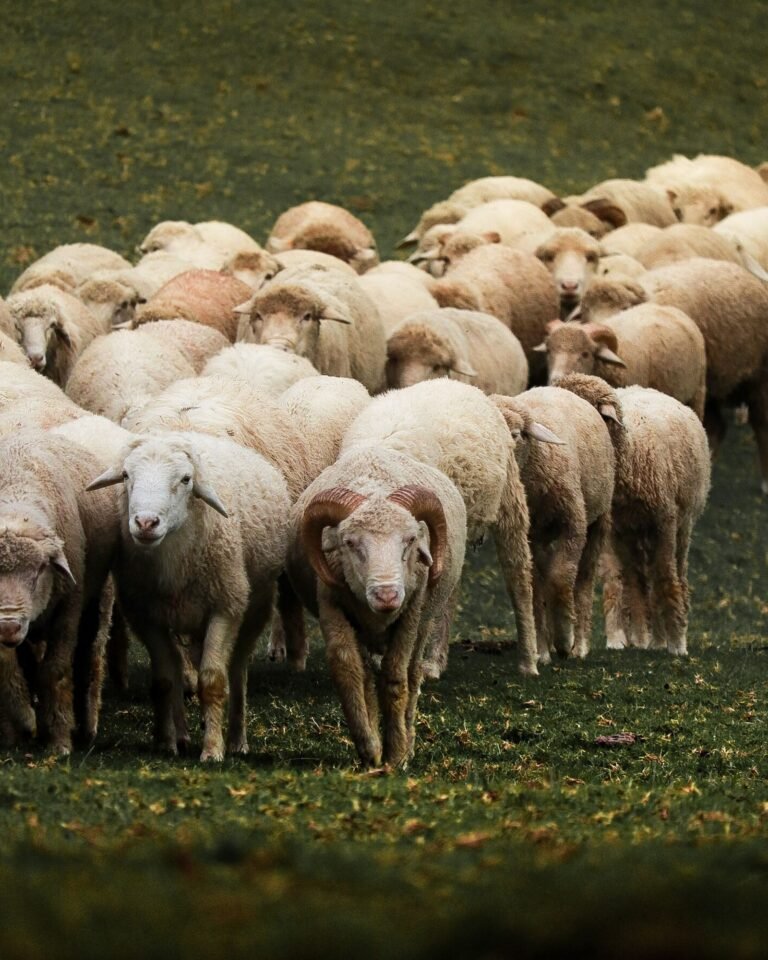
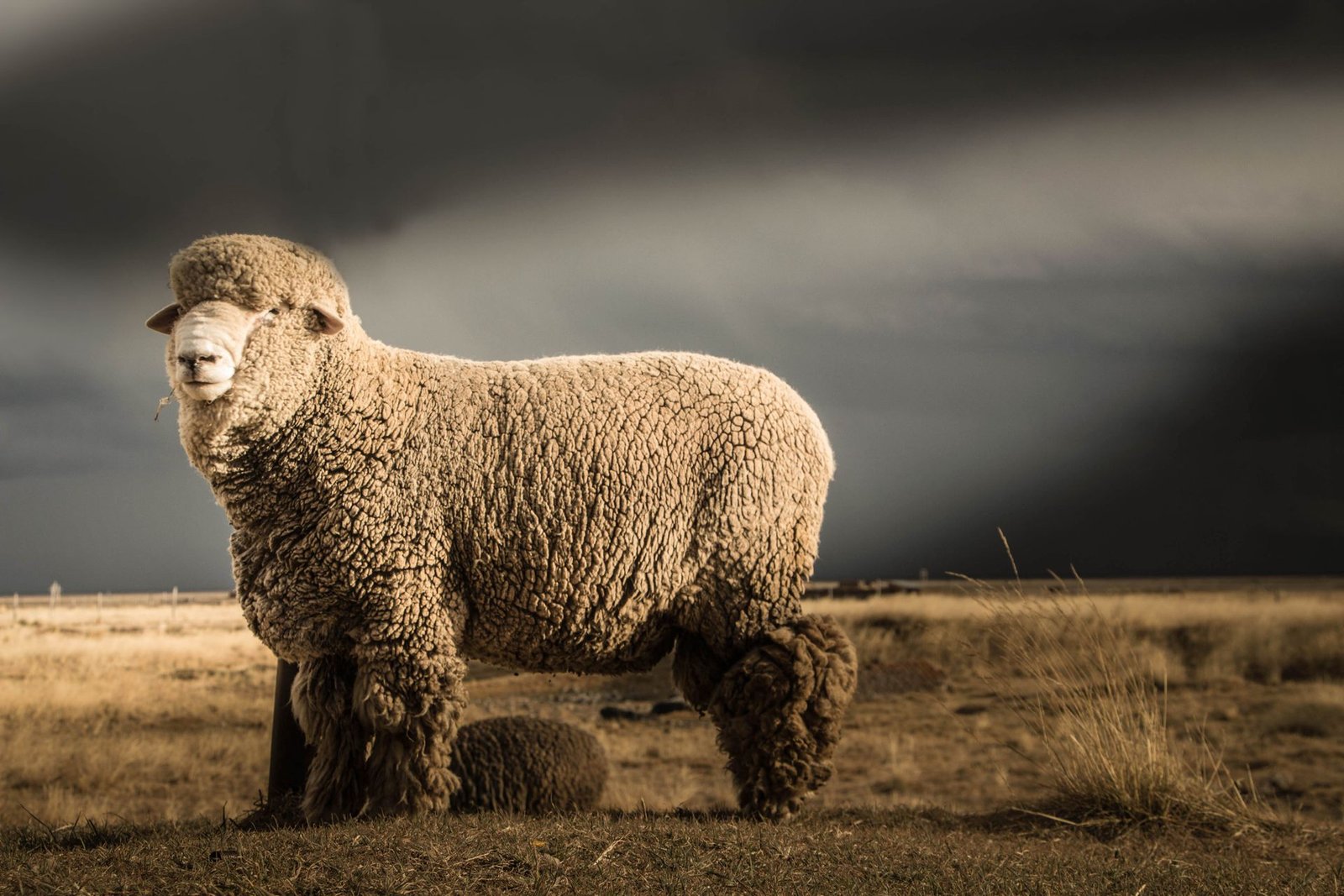
Merino vs Dohne Merino is one of the oldest debates in South African sheep farming, and you will hear it in every shearing shed from the Swartland to the Eastern Cape. Both breeds grow fine white wool, both are part of the same Merino family, and both can make good money. But they were bred for different jobs. The Merino is the wool specialist, selected for more than two centuries to grow a heavy, fine fleece. The Dohne Merino is a dual-purpose sheep, bred in the Eastern Cape to give you a good wool clip and a bigger, faster-growing lamb from the same ewe.
So the useful question is not which breed is better, but which one earns more on your farm, with your veld, your markets and your labour. This guide covers the seven differences that matter most, with figures from breed societies, South African research and 2026 auctions.
Merino vs Dohne Merino at a Glance
| Merino | Dohne Merino | |
|---|---|---|
| Origin in South Africa | First Spanish Merinos arrived at the Cape in 1789 | Developed at the Dohne Research Station near Stutterheim from 1939 |
| Make-up | Pure Merino, refined with Spanish, American and Australian bloodlines | German Mutton Merino rams crossed with Merino ewes |
| Breed society | Merino South Africa, established in 1937 | Dohne Merino Breed Society, founded in 1966 |
| Main income | Wool first, lambs second | Wool and meat in roughly equal measure |
| Ewe weight at mating (Langgewens trial) | 60.7 kg | 72.6 kg |
| Lamb weight weaned per ewe (Langgewens trial) | 40.5 kg | 48.0 kg |
| Best suited to | Farmers who want the biggest wool cheque per sheep | Farmers who want strong lamb income as well as wool |
The trial figures come from a study of Merino and Dohne Merino ewes run on the Langgewens research farm in the Swartland from 2007 to 2014, published by the Association for the Advancement of Animal Breeding and Genetics. They show how the breeds compared on one farm under the same management, which is exactly the kind of comparison farmers rarely get to see.
1. Where the Merino and Dohne Merino Come From
The Merino has been in South Africa for well over 200 years. In 1789, the Dutch government gave two Spanish Merino rams and four ewes to Colonel Jacob Gordon, the military commander at the Cape, according to Merino South Africa. Wool farming spread through the Western Cape by the 1830s and moved east and north with the settlers and the Great Trek. American Vermont-type Merinos were brought in from 1891, but Australian Wanganella and Peppin types proved better suited to local veld, and South African breeders built their own type from these bloodlines. Merino South Africa was established in 1937. Our full guide to Merino sheep in South Africa covers the breed in more detail.
The Dohne Merino is a much younger breed with a very clear purpose. In 1939, the Dohne Research Station near Stutterheim started crossing German Mutton Merino rams with Merino ewes. The aim, in the words of the Dohne Merino Breed Society, was a hardy woolled sheep that is easy care, with high reproduction and growth rate under harsh sourveld conditions in the Eastern Cape. The society was founded in 1966 with about 2,500 ewes, and Dohne genetics have since been exported to Australia and the Falkland Islands.
That background still shapes both breeds. The Merino was refined for wool. The Dohne Merino was built for sourveld, lambs and wool together. Our full guide to Dohne Merino sheep covers the breed in more detail.
2. Merino vs Dohne Merino Wool: Fleece Weight and Fineness
This is the Merino’s home ground. A well-bred Merino grows more wool per sheep than a Dohne Merino, and for a wool farmer that difference shows up on every cheque from the broker. In the Langgewens trial, Dohne Merino ewes produced 9.7% less clean wool than the Merino ewes, with a 7.2% lower clean yield.
The interesting part is fineness. In the same trial, the Dohne Merino ewes grew wool that was 3.2% finer, with less variation in fibre diameter. Dohne breeders have selected hard for fine wool, and some studs now test very fine. The Potberg Dohne stud near Bredasdorp reported rams testing at 14 to 15 micron at 12 months, according to Farmer’s Weekly in September 2026.
Fineness varies a great deal between flocks of both breeds, so do not buy on breed name alone. Ask for fleece test results, fibre diameter and clean fleece weight for the rams and the flock the ewes come from.
3. Merino vs Dohne Merino Body Size, Lambs and Meat
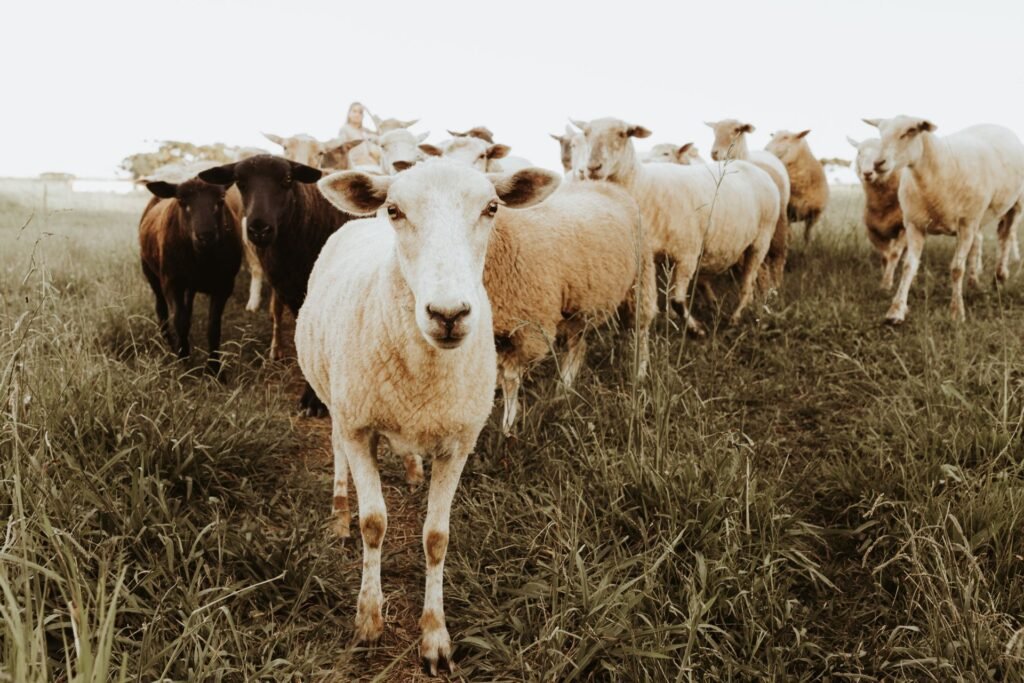
Here the Dohne Merino pulls ahead. Its German Mutton Merino blood gives it a bigger frame and a better carcass. In the Langgewens trial, Dohne Merino ewes weighed 72.6 kg at mating against 60.7 kg for the Merino ewes, almost 20% heavier.
More importantly for your income, the Dohne ewes weaned 48.0 kg of lamb per ewe that lambed, against 40.5 kg for the Merinos, an advantage of about 18.5%. Their lambs were about 9.6% heavier at birth and survived to weaning about 6.5% better. Both breeds had a similar number of lambs born and weaned, so the Dohne’s advantage came from heavier, stronger lambs rather than more lambs.
The Merino still produces a lamb worth selling, and good South African Merino flocks are far from the thin, wool-only sheep of the past. But if lamb and mutton make up a big part of your income, the Dohne Merino has a clear head start.
4. Merino vs Dohne Merino Fertility and Mothering
Both breeds can be very fertile when they are well fed and well managed. The Langgewens trial found no significant difference in the number of lambs born or weaned, at around 1.56 to 1.63 lambs born and 1.19 to 1.29 lambs weaned per ewe lambed.
The Dohne Merino has a strong reputation for mothering, and fertility has been part of its selection from the start. The Potberg stud, for example, reports a lambing percentage above 150% and lamb losses of about 5% between lambing and weaning, with three lambing seasons a year across the flock. Those are one well-managed stud’s figures, not a breed average, but they show what the breed can do.
Merino flocks with a long history of selection for reproduction can match those numbers too. In both breeds, ewe nutrition before mating and in late pregnancy, and shelter at lambing, matter as much as genetics.
5. Veld, Climate and Management
The Merino does best in the Karoo, the Western and Eastern Cape, the Free State and the grassland areas, where the climate suits fine wool. It walks well, flocks well and makes good use of Karoo bush and grass.
The Dohne Merino was bred on the sourveld of the Eastern Cape and does well in the higher-rainfall grassland and mixed farming areas, as well as the Western Cape. Farmer’s Weekly quotes Dohne breeders who say the breed performs consistently under good and sub-optimal conditions and handles drought stress well.
Both are wool sheep, so both need shearing, crutching and a plan against blowfly strike. Some Dohne flocks, such as Potberg, shear adult sheep about every eight months and lambs at around six months. Neither breed suits very hot, humid areas with heavy fly pressure as well as a hair sheep such as the Dorper does.
6. Performance Recording and Genetics
The Dohne Merino has been built on performance records from the beginning. The breed society made performance testing compulsory for all breeders, and it uses sire referencing and estimated breeding values to compare animals across flocks. When you buy a Dohne ram from a registered stud, you can usually see his breeding values for body weight, fleece weight and fibre diameter.
Merino breeders also use performance testing and breeding values, and many leading Merino studs record extensively. The difference is that the Dohne system has been compulsory for decades, so the data is available from almost every registered breeder. Whichever breed you choose, buy rams from breeders who can show you real figures, not just a good-looking sheep in the pen.
7. Merino vs Dohne Merino Prices in 2026
Recent production auctions give a good picture of Merino vs Dohne Merino prices for rams and ewes.
Merino. At the 51st Heuningkrans Merino production auction in the Smithfield district on 26 February 2026, 78 stud rams averaged R11,205 and the top ram sold for R58,000. Two-tooth stud ewes averaged R2,600 and two-tooth flock ewes R2,216, as reported by African Farming.
Dohne Merino. At the Weska Dohne Merino production auction near Bredasdorp on 31 July 2026, all 83 rams sold at an average of R18,169, with a top price of R71,000, according to African Farming. At the FEM Dohne Merino auction in the Burgersdorp district in September 2026, 40 rams averaged R17,725 and the top ram fetched R65,000.
| Auction (2026) | Rams sold | Average | Top price |
|---|---|---|---|
| Heuningkrans Merino, Smithfield (26 February) | 78 | R11,205 | R58,000 |
| Weska Dohne Merino, Bredasdorp (31 July) | 83 | R18,169 | R71,000 |
| FEM Dohne Merino, Burgersdorp (September) | 40 | R17,725 | R65,000 |
These are only three sales, and prices vary with the stud, the season and the wool and lamb markets. Still, they suggest that good Dohne Merino rams cost somewhat more on average than Merino rams in 2026, while top rams of both breeds sell for R50,000 or more. Commercial ewes cost far less than stud rams, so ask for current prices on the exact type and number of ewes you need.
Which Breed Suits Your Farm?
The Merino vs Dohne Merino choice usually comes down to a few straight questions.
- Where does most of your income come from? If wool is your main cheque, the Merino’s heavier fleece is hard to beat. If you want lamb and wool income in balance, the Dohne Merino fits better.
- What is your veld like? The Merino is at home in the Karoo and the classic wool areas. The Dohne Merino was bred for sourveld and does well in grassland and mixed farming areas.
- Who buys your lambs? If you sell to abattoirs or feedlots, the Dohne Merino’s heavier lambs usually earn more per ewe.
- How much labour do you have? Both need shearing and fly control. If labour is short and fly pressure is high, consider a hair breed instead.
- What do successful farmers near you run? A breed that thrives on similar farms nearby is always a sensible starting point.
Some farmers also cross the two, using Dohne rams on Merino ewes to add lamb growth while keeping a fine fleece. If you do, plan your replacement ewes carefully so the flock does not drift in type. For more on sheep options, see our Dorper vs Meatmaster comparison and our guide to livestock farming in South Africa.
Buying Merino or Dohne Merino Sheep
Whichever side of the Merino vs Dohne Merino question you land on, buy with care. Check the seller’s registered company details, get a written quote that lists the animals, their age, breeding status and delivery terms, and pay only against an official invoice. For rams, ask for fleece test results and breeding values. Our guide to buying livestock in South Africa walks you through each step.
DRM Livestock supplies Merino sheep and Dohne Merino sheep to farms across South Africa, from lambs and yearling ewes to pregnant ewes and breeding rams.
Frequently Asked Questions
What is the main difference in Merino vs Dohne Merino sheep?
The Merino is a specialist wool breed that grows a heavier fleece. The Dohne Merino is a dual-purpose breed developed in the Eastern Cape from German Mutton Merino rams and Merino ewes, with a bigger body and heavier lambs as well as fine wool.
Is the Dohne Merino a real Merino?
It is a Merino-type breed with its own breed society. It was developed from 1939 by crossing German Mutton Merino rams with Merino ewes, and it has been bred as a separate, performance-tested breed since the society was founded in 1966.
Which breed produces more wool?
In the Merino vs Dohne Merino comparison, the Merino wins on wool. In a long-term trial at Langgewens in the Swartland, Dohne Merino ewes produced 9.7% less clean wool than Merino ewes, although their wool was slightly finer and more even.
Which breed produces more meat?
The Dohne Merino. In the same trial, Dohne Merino ewes were almost 20% heavier and weaned about 18.5% more kilograms of lamb per ewe than the Merino ewes.
Are Dohne Merino rams more expensive than Merino rams?
Often a little. In 2026, Dohne Merino rams averaged R17,725 to R18,169 at two production auctions, while 78 Merino rams averaged R11,205 at the Heuningkrans auction. Prices vary widely between studs.
Can you cross Merino and Dohne Merino sheep?
Yes. Using Dohne Merino rams on Merino ewes is one way to add body weight and lamb growth while keeping fine wool. Plan how you will breed replacement ewes before you start.
Which breed is better for beginners?
Many beginners find the Dohne Merino more forgiving because it earns from both lambs and wool and has plenty of performance data. The Merino is an excellent choice in classic wool areas if you are ready to manage shearing, wool preparation and fly control well.
Final Thoughts
The Merino vs Dohne Merino choice comes down to how you want your sheep to earn. The Merino gives you the heaviest fine-wool fleece and more than two centuries of South African breeding. The Dohne Merino gives you fine wool, a bigger ewe and heavier lambs, backed by decades of compulsory performance testing. Match the breed to your veld, your markets and your labour, and buy from sellers you can verify. If you would like current prices for Merino or Dohne Merino sheep delivered to your farm, send us your requirements and we will get back to you with a written quote.
Looking to buy sheep?
Tell us the breed, age group, quantity and delivery area. We reply with availability, pricing and transport costs, usually within one working day.
DRM LIVE STOCK is a registered South African livestock company (Company No. K2023207798, VAT No. 4640323079) based at 135 Rocklands Rd, Uitenhage Farms, Gqeberha. We supply cattle, goats, sheep and pigs, with delivery across South Africa.