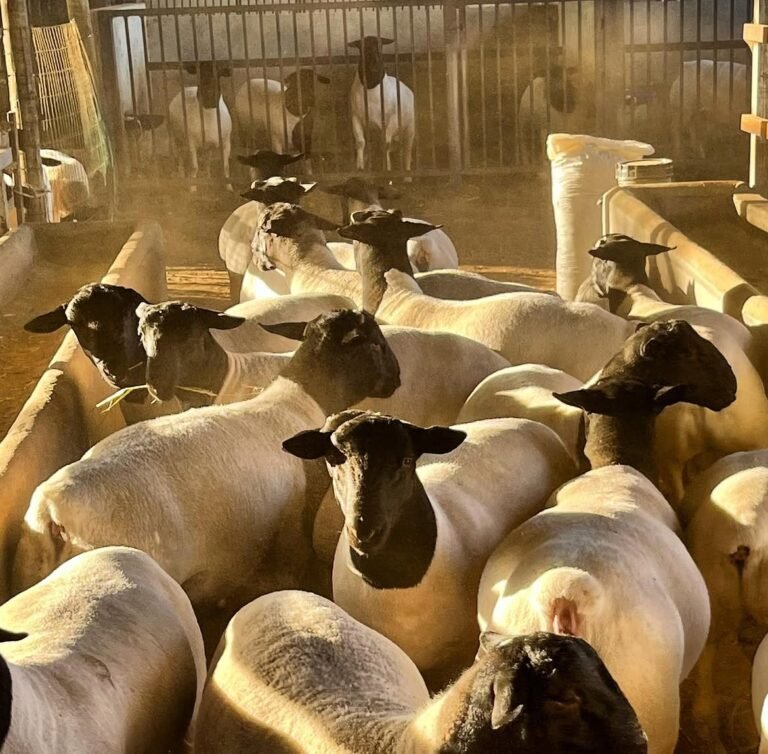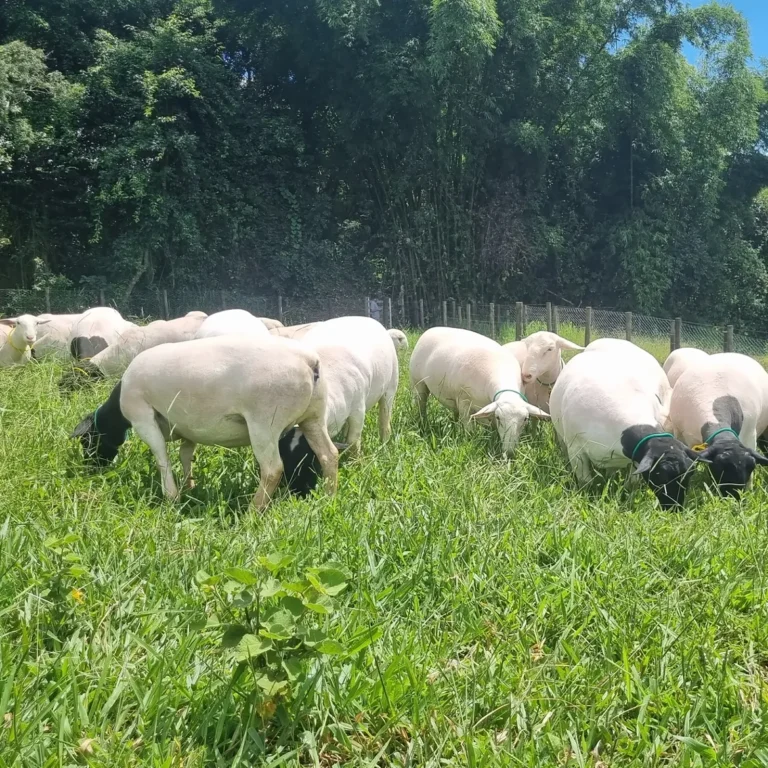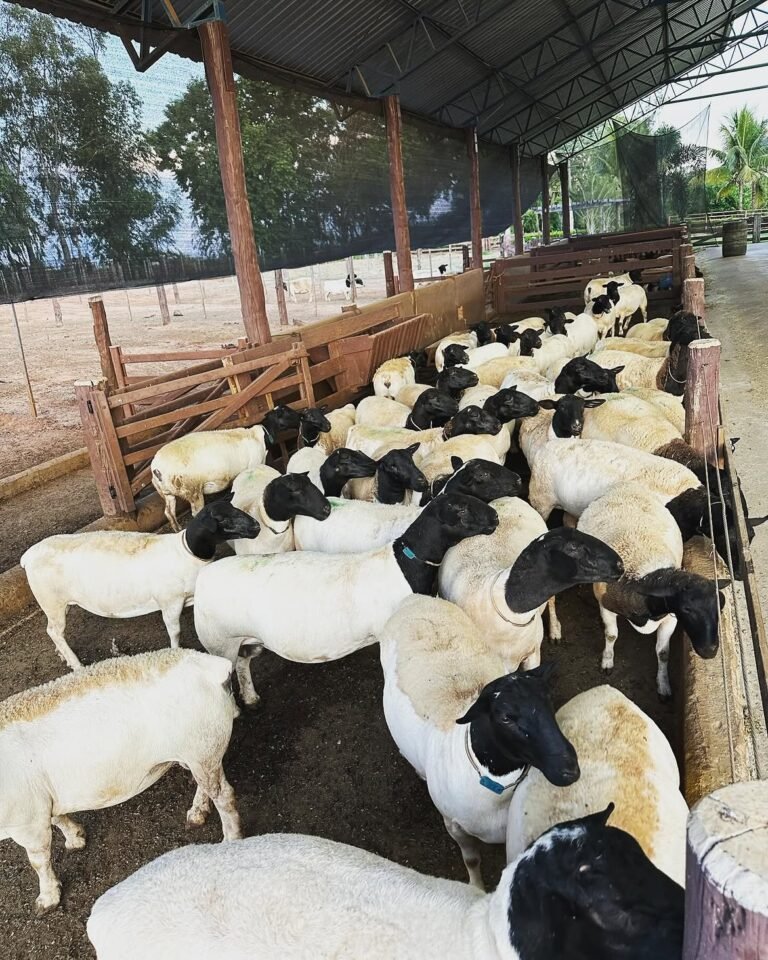
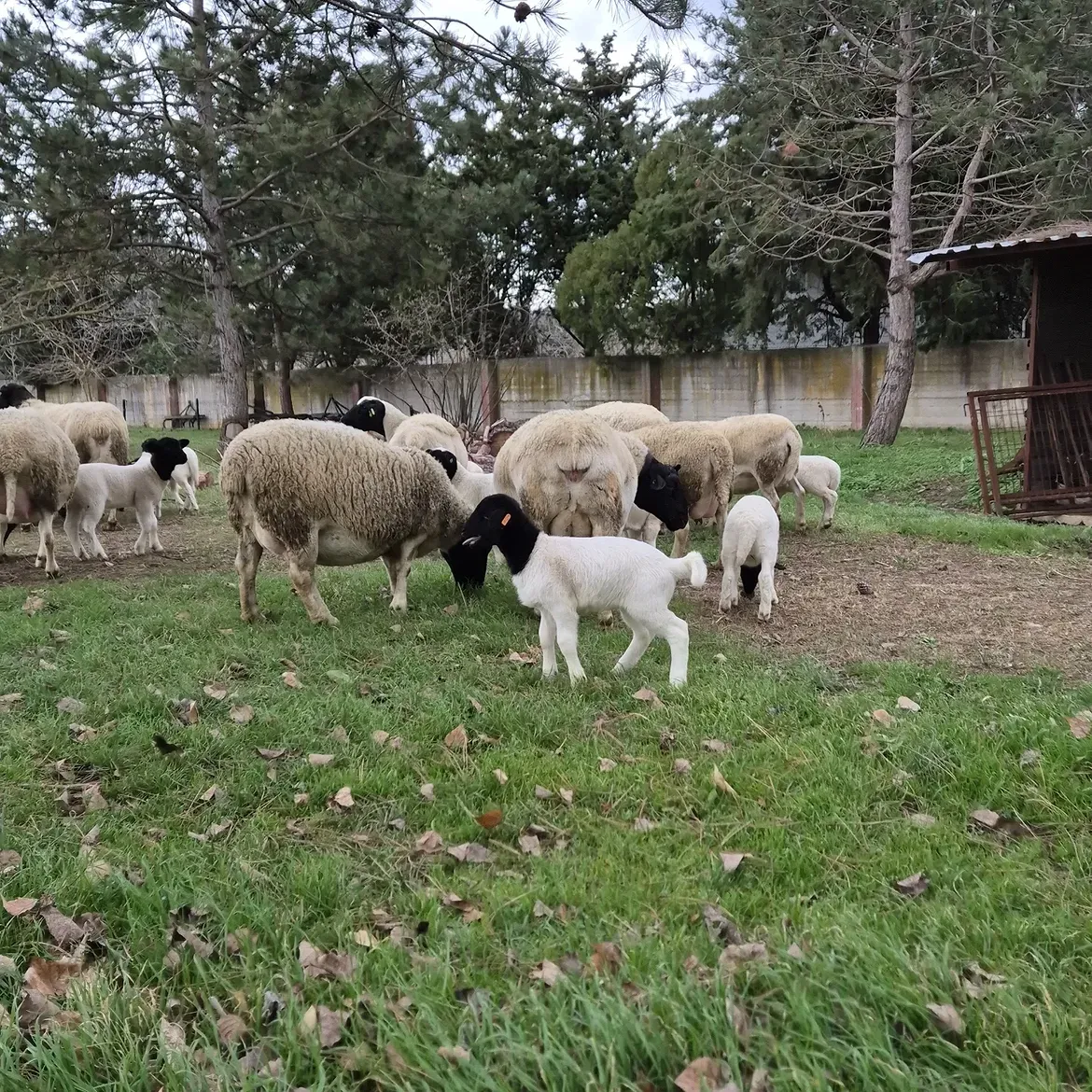
Ask ten farmers what a Dorper costs and you will get ten different answers, and most of them will be right. A flock ewe, a young ram lamb and a registered stud ram are all “Dorpers”, but they are not the same purchase, and they do not come out of the same market.
So before you compare Dorper sheep prices in South Africa, it helps to know what you are actually buying and what the market is paying for that type of animal. This guide gives you real reference points from the market, explains why prices vary so much, and shows you what to check so you do not overpay, or worse, pay for sheep that never arrive.
What Does a Dorper Sheep Cost in South Africa Right Now?
The honest answer is: it depends on the type of animal, and the market moves. But you do not have to guess. Two public sources give you a good feel for where prices sit.
Breed auctions. At the 5-Star Dorper auction at the Upington showgrounds on 20 March 2026, these were the averages:
| Type of animal | Auction average |
|---|---|
| Flock ewes | R3,000 |
| Stud ewes | R4,125 |
| Flock rams | R7,785 |
| Stud rams | R10,500 |
| Top-grade (T5) rams | R17,650, with the top ram at R60,000 |
The meat market. Commercial lambs bought for slaughter or feedlots are priced by weight. Feeder lambs sold for a national average of about R56 per kilogram live weight on 30 September 2026, according to AMT, up from about R48 in December 2025 as reported by African Farming. At that level, a 35 kg lamb is worth somewhere in the region of R1,970 before transport, and the price moves every week with the mutton market.
Use these as reference points, not as fixed prices. One auction in one district is not the whole country, and prices shift with the season, the rain and the red meat market. But if someone offers you breeding ewes or rams far below these levels, stop and ask why.
Why Two Dorpers Can Be Thousands of Rand Apart
You will see Dorpers advertised at wildly different prices, sometimes on the same day. Usually there is a good reason. These are the things that move the price.
Age and teeth
Buyers price sheep by their mouth as much as by their age on paper. A young ewe on milk teeth or a two-tooth has her whole breeding life ahead of her. A full-mouth ewe is proven but has fewer lambs left in her. A broken-mouthed ewe, with teeth missing or worn down, is near the end of her productive life and should be priced like it, because she will struggle to hold condition on veld. Always open the mouth before you agree on a price.
Ewe or ram
A good ram costs more than a good ewe, and he should. One ram will sire every lamb in a group of ewes, sometimes for several seasons, so his genetics spread through your flock far faster than any single ewe’s. If you are offered a mature breeding ram for less than a pregnant ewe, something is wrong with the ram, the deal or the seller.
Maiden, pregnant or proven
A maiden ewe has not lambed yet. A pregnant ewe comes with a lamb on the way, so you are buying two animals and saving months. A proven ewe that has already reared lambs well is worth more again, because the biggest risk with any breeding female is that she does not conceive or does not mother. Ask for proof of pregnancy, such as a scan, if you are paying for it.
Commercial, flock or stud
This is the biggest price driver of all. Commercial sheep are bought to produce lambs for meat. Flock animals are bred to the breed standard and often inspected. Registered stud animals come with pedigree, inspection and performance records, and are bought to improve other flocks. The gap between a commercial ewe and a top stud ram can be tens of thousands of rand, and both prices can be fair.
Condition and weight
A ewe in good body condition is ready to be mated or to lamb. A thin ewe needs feed and time before she is productive, and that cost is yours. For slaughter and feeder lambs, weight is the price, so a heavier lamb is simply worth more.
Season and district
Prices rise when buyers are restocking after good rains and fall when farmers are forced to sell in drought. Transport distance also matters. A cheap sheep at the other end of the country can cost more, landed on your farm, than a slightly dearer one down the road.
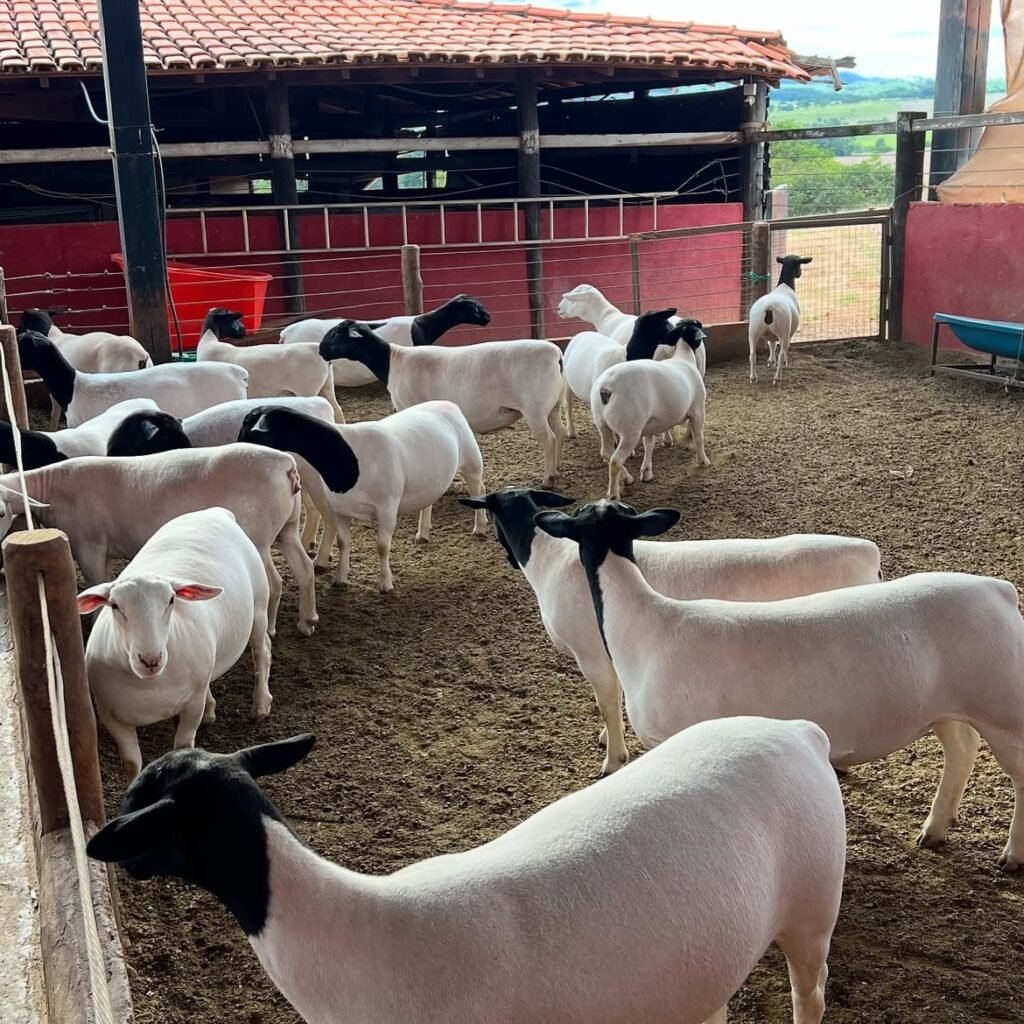
Commercial Dorpers and Stud Dorpers Are Different Markets
Most farmers do not need stud animals. If you are producing slaughter lambs, you need fertile, sound, well-adapted commercial ewes and a good ram. Paying stud prices for your whole ewe flock rarely makes sense.
Where stud genetics can pay is in the ram. A well-bred ram with good records can lift the growth and carcass quality of every lamb in your flock for years. Many commercial farmers buy their rams from stud or flock breeders and keep their ewes commercial. That is usually the smartest use of money.
What matters is knowing which market you are in, and not paying stud prices for commercial animals, or expecting stud quality at commercial prices.
What to Check Before You Pay
A fair price for a poor sheep is still a bad deal. Whether you are at an auction or on a farm, check these before you commit:
- Mouth. Teeth should meet the pad properly. Undershot or overshot jaws are a fault, and missing teeth shorten a ewe’s working life.
- Feet and legs. Watch the sheep walk. Lameness, overgrown hooves and weak pasterns are expensive problems on veld.
- Udder. On ewes, feel for lumps and hardness, and check that both teats are present and working. A blind half means she cannot rear twins properly.
- Testicles. On rams, both should be firm, even in size and free of lumps. A ram that cannot breed is worth only his meat.
- Condition. Feel the backbone and ribs rather than trusting the look of the coat. Hair and wool can hide a thin animal.
- Eyes and gums. Pale gums and eyelids can point to wireworm and anaemia. A swelling under the jaw, known as bottle jaw, is a warning sign of the same problem.
- Breed type. A Dorper should have the breed’s typical conformation and a clean, even covering. If you are paying for Dorpers, make sure you are getting them.
- Paperwork. The sheep must carry the seller’s registered mark, and come with a document of identification and any movement permit needed in your area.
Ask the seller to describe each animal’s age, teeth, feet and udder condition in writing, then check them against the animals on delivery. A genuine seller will not mind.
The Costs That Are Not in the Advert
The price per head is only the start. Budget for:
- Transport, which depends on distance and the number of animals, and can be a large share of the cost for small groups.
- Movement permits and paperwork, especially where foot-and-mouth disease controls apply.
- Quarantine, keeping new sheep apart from your flock for at least 28 days, with feed and water.
- Dosing and vaccinations on arrival, as agreed with your vet.
- Feed or lick to get animals into condition, particularly if they arrive thin or in winter.
- Losses. Even with good animals, a new group settling in on a new farm carries some risk.
Work out your landed cost per sheep, not just the price per head, before you compare offers.
Is a More Expensive Dorper Always Better?
No. Price reflects what a seller or bidder thinks an animal is worth, not whether it suits your farm. A heavily fed show animal can look magnificent and then battle on dry veld. A plainer ewe that has lambed every year on similar veld may be the better buy for a commercial farmer.
Pay for what you can check: fertility, soundness, adaptation to conditions like yours and, for rams, real performance records. Do not pay extra for size or looks on their own.
How to Get Better Value
- Buy the type of animal you actually need. Commercial ewes for lamb production, a better ram to improve them.
- Buy before the rush. Prices climb when everyone restocks after good rains. Buying earlier, if your veld allows, can save money.
- Buy young, sound ewes with full working lives ahead of them rather than cheap old ewes with a few seasons left.
- Buy a group from one source. One health status, one set of documents, one load of transport.
- Ask for records. Lambing history, vaccination and dosing records all reduce your risk, and a seller who keeps them usually looks after the animals.
- Compare landed cost, not advertised price.
Where to Buy Dorper Sheep in South Africa
You can buy Dorpers at breed and production auctions, directly from stud and flock breeders, through livestock agents, and from suppliers such as DRM Livestock. Each has its place. Auctions show you the market price on the day. Breeders give you history and records. Suppliers can source a particular number and type of animal and arrange delivery.
Whoever you buy from, watch for these warning signs:
- Prices far below auction averages for the same type of animal.
- Pressure to pay quickly to “secure” stock.
- A request to pay into a personal account, or into an account that does not match the business name.
- No registered company details, no physical address, and no written quote or invoice.
- No mention of marks, identification documents or movement permits.
Livestock fraud is a real problem in South Africa. Check the seller’s company registration, get everything in writing and pay only into the business account on an official invoice.
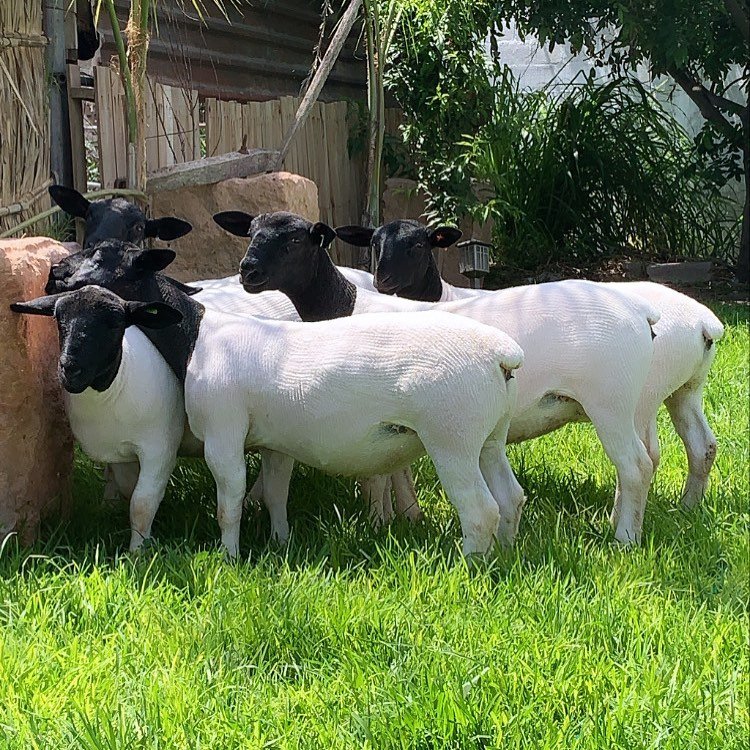
Getting a Current Dorper Price From DRM Livestock
We do not publish fixed prices online, because a price that was right last month can be wrong today, and because the right price depends on exactly what you need. Tell us the type of Dorper, the number of animals and where you farm, and we will send you current prices, availability and transport costs in a written quote, usually within one working day.
Our details are there for you to check: DRM LIVE STOCK, Company No. K2023207798, VAT No. 4640323079, 135 Rocklands Rd, Uitenhage Farms, Gqeberha. Request a Dorper quote or see our Dorper sheep for sale.
Frequently Asked Questions About Dorper Sheep Prices in South Africa
How much do Dorper sheep cost in South Africa?
It depends on the type of animal. As a reference, flock ewes averaged about R3,000 and flock rams about R7,785 at a Dorper auction in Upington in March 2026, while stud rams sold for considerably more. Slaughter and feeder lambs are priced by weight and follow the mutton market.
How much is a Dorper lamb?
Commercial lambs are usually priced by live weight. Feeder lambs averaged about R56 per kilogram live weight at the end of September 2026, so the price of a lamb depends mainly on how heavy it is and on that week’s market.
How much does a Dorper ewe cost?
A commercial or flock ewe sells for less than a registered stud ewe, and a pregnant or proven ewe is worth more than a maiden of the same quality. Check the mouth, udder and condition before comparing prices.
How much does a Dorper ram cost?
Rams cost more than ewes of similar quality, because one ram influences every lamb he sires. Flock rams averaged about R7,785 and stud rams about R10,500 at the March 2026 Upington auction, with top-grade rams selling for much more.
Why are some Dorper sheep much more expensive than others?
Genetics, registration, performance records, age, sex, pregnancy status and condition all move the price. A registered stud ram with proven progeny is a very different animal from a commercial ewe, even though both are Dorpers.
Is a cheaper Dorper always a better deal?
No. A cheap sheep that is infertile, unsound or poorly adapted costs more over its life than a sound one that breeds every year. And a price far below the market is a warning sign in itself.
Are Dorper sheep good for commercial farming?
Yes. Dorpers were developed in South Africa as a meat breed for tough conditions, and they are widely used for commercial lamb production. Results still depend on good management, grazing and health care.
Final Word
When it comes to Dorper sheep prices in South Africa, the right price is the one that matches the animal, your purpose and the market on the day. Know whether you are buying commercial, flock or stud animals, check every sheep before you pay, work out the landed cost, and be wary of anything that looks too cheap. Do that, and you will buy well, whoever you buy from.
For more on choosing the right animals, read our guide to choosing Dorper ewes and rams and our complete guide to Dorper sheep in South Africa.
Looking to buy sheep?
Tell us the breed, age group, quantity and delivery area. We reply with availability, pricing and transport costs, usually within one working day.
DRM LIVE STOCK is a registered South African livestock company (Company No. K2023207798, VAT No. 4640323079) based at 135 Rocklands Rd, Uitenhage Farms, Gqeberha. We supply cattle, goats, sheep and pigs, with delivery across South Africa.