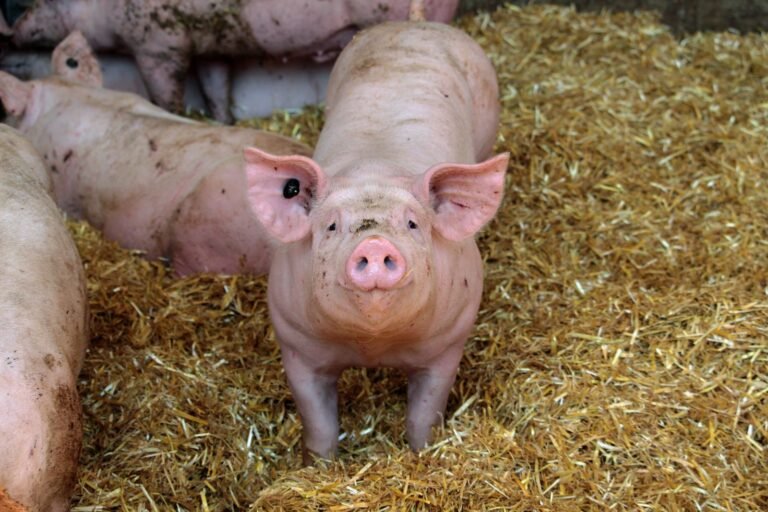
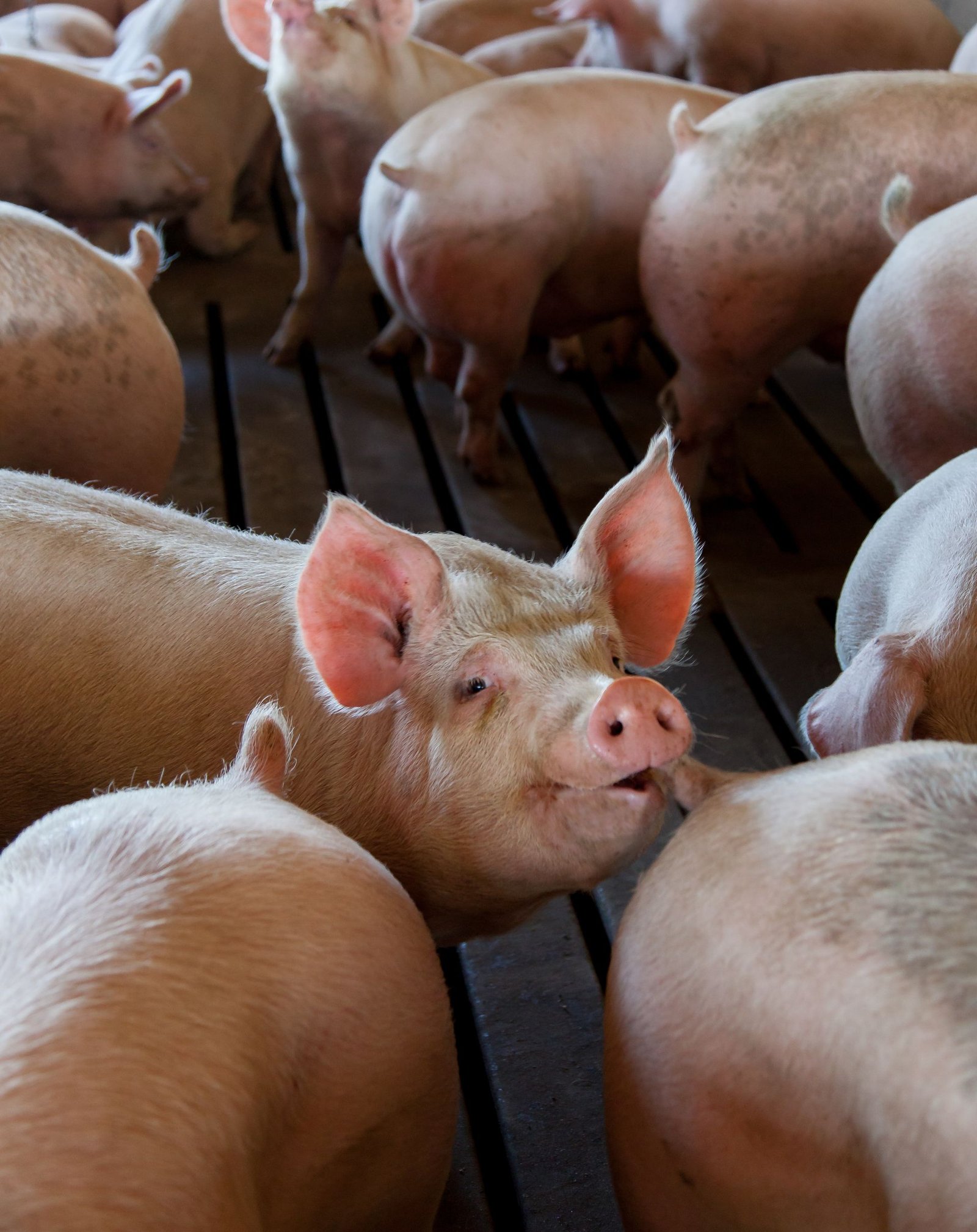
Pig farming in South Africa is the most intensive kind of livestock farming most people will ever try. A sow can wean more than twenty piglets a year, a pig goes from birth to slaughter in about six months, and a small unit can turn over real money quickly. But pigs do not live off the veld. Almost everything they eat is bought, they need proper housing, and one disease outbreak can wipe out a piggery in weeks.
That makes pig farming a business of margins and discipline. The farmers who succeed buy feed well, keep pigs growing without setbacks, lose very few piglets, and guard their gate like a border post. This guide covers what you need to get right: breeds, housing, feeding, breeding and farrowing, biosecurity against African swine fever and foot-and-mouth disease, selling, and the numbers. For the latest market figures, see our guide to pig prices in South Africa.
How Pig Farming in South Africa Works
Commercial pig farming runs in a cycle: sows are mated, farrow about four months later, and piglets are weaned at three to five weeks. Weaners then move through the grower and finisher stages until they reach slaughter weight as porkers or heavier baconers, usually at around five to six months old. Our pig breeding guide covers each step from mating to weaning.
There are three ways to make money from that cycle:
- Farrow-to-finish: you keep sows and take every pig through to slaughter. It gives the most control, and the most exposure to feed prices.
- Weaner production: you keep sows and sell weaners to other farmers who grow them out.
- Growing out: you buy weaners and finish them. It needs less skill with sows, but depends on a steady supply of healthy weaners.
Whatever the system, feed is the biggest cost, usually well over half of what it costs to produce a pig. Every decision in a piggery comes back to how efficiently your pigs turn feed into saleable meat.
Choosing Pig Breeds
Commercial pig farming is built on a few proven breeds, usually crossed:
| Breed | Role | Strengths |
|---|---|---|
| Large White | Mother line | Large litters, good milk and mothering, hardy |
| Landrace | Mother line | Long body, large litters, good mothering, lean carcass |
| Duroc | Terminal sire | Fast growth, hardiness, good meat quality |
A common and proven system is to mate Large White and Landrace pigs to produce a crossbred sow, which combines the strengths of both and has hybrid vigour. That sow is then mated to a Duroc boar, and all the offspring go to slaughter. The result is a fertile, well-mothering sow and fast-growing, meaty slaughter pigs.
Whatever you choose, buy breeding stock from a healthy, well-managed herd with records. A cheap gilt from an unknown source can bring a disease that costs you your whole unit. See the pig breeds we supply. For a closer look at each breed, read our comparison of Large White vs Landrace vs Duroc.
Housing: Getting the Pig House Right
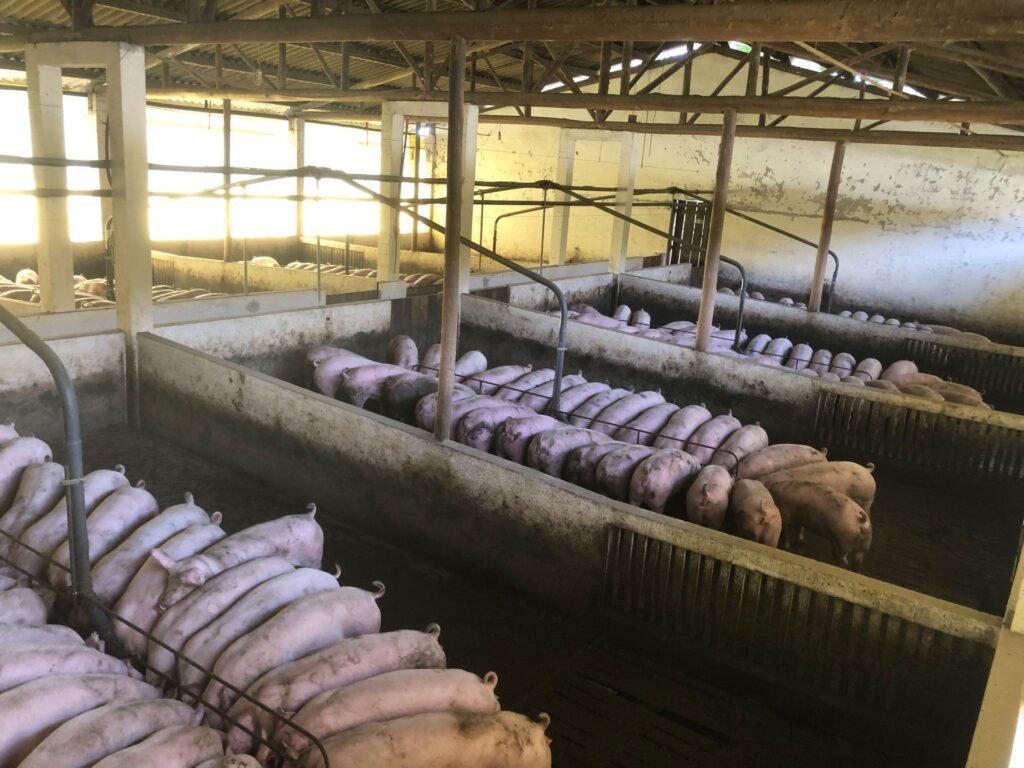
Pigs cannot sweat, so heat is their biggest enemy in South Africa. A pig that is too hot eats less, grows slower, and in a sow, fertility drops. Good housing keeps pigs cool in summer, warm and dry in winter, and makes cleaning easy.
- Ventilation and shade: good airflow, roof insulation and shade. Many farmers add sprinklers or drip cooling for sows in hot areas.
- Dry floors: sloped concrete or slatted floors that drain well, so pigs stay clean and dry.
- Space: overcrowded pens lead to fighting, tail biting and slower growth.
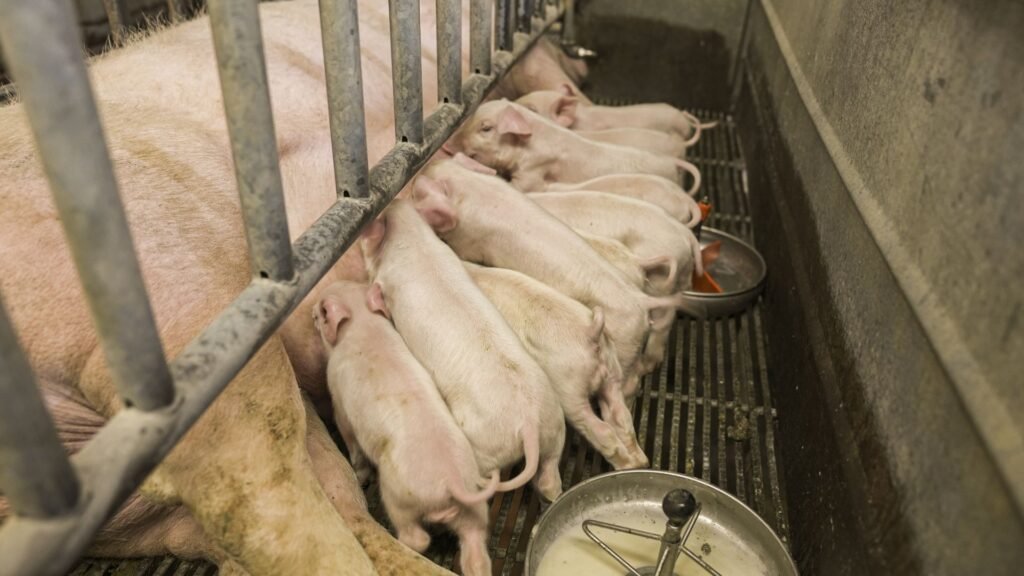
- Farrowing pens: a farrowing crate or rails that stop the sow lying on her piglets, and a warm creep area with a heat lamp where the piglets can sleep safely.
- Water: clean water from nipple drinkers at the right height for each size of pig. A lactating sow can drink 20 litres or more a day.
- Location: away from other pig farms, public roads and informal pig keeping, to reduce disease risk.
Housing pregnant sows
Many producers now keep pregnant sows in small groups rather than in individual stalls, which is better for welfare and is what more and more buyers expect. Group housing works well if the pens have enough space, solid footing and a feeding system that stops the bossy sows from eating everyone else’s share. Group sows by size and temperament, keep the groups stable once they are mixed, and watch closely for fighting in the first few days. A sow that is bullied off the feeder loses condition and weans a smaller, weaker litter.
Feeding Pigs: Where the Money Goes
Pigs are fed in phases, with a different ration for each stage: creep feed for suckling piglets, weaner feed, grower and finisher rations, and separate diets for pregnant and lactating sows. Buy balanced rations from a reputable feed mill, or get a nutritionist to formulate your own if you are mixing on the farm. Home-mixed feed that is short of protein or minerals quietly costs you growth. For daily amounts at each stage, from creep feed to lactating sows, see our stage-by-stage guide to feeding pigs.
Two numbers tell you how well you are feeding:
- Feed conversion ratio (FCR): how many kilograms of feed it takes to put on one kilogram of pig. The lower, the better.
- Days to slaughter: the faster pigs reach market weight, the less feed and housing each one costs.
Avoid waste. Badly set feeders that spill feed can quietly cost you a large share of your profit. Never feed swill or kitchen waste containing meat: it is one of the main ways African swine fever spreads.
Breeding and Farrowing
Mating
Gilts are usually mated at around seven to eight months old, once they have reached a good size and on their second or third heat. A sow comes on heat about every 21 days, and usually again within about a week of weaning her piglets. Many farmers use artificial insemination, which gives access to better boars and reduces the disease risk of buying in boars.
Pregnancy and farrowing
Pregnancy lasts about 114 days, the famous three months, three weeks and three days. Move sows into clean farrowing pens a few days before they are due. Most sows farrow on their own, but someone should check them often. A good sow can have 10 to 14 piglets in a litter.
The first days of a piglet’s life
This is where piglets are saved or lost. Make sure every piglet drinks colostrum in its first hours. Keep the creep area warm, because cold piglets lie next to the sow and get crushed. Piglets are born with low iron reserves and are usually given an iron injection in their first few days to prevent anaemia. Watch for scours and treat quickly.
Weaning
Commercial units usually wean at three to four weeks, while smaller farms often wean a little later. Weaning is a big stress for piglets, so move them into clean, warm pens, keep them in the same groups where possible, and change their feed gradually.
Measure sow performance
The key number in a sow herd is pigs weaned per sow per year. It combines litter size, piglet survival and how many litters each sow has, usually a bit over two a year. Keep a record card for every sow, and cull sows that repeatedly have small litters, lose piglets or fail to come back on heat.
Biosecurity: African Swine Fever and Foot-and-Mouth Disease
This is not optional. South Africa’s largest African swine fever (ASF) outbreak began in November 2025, and there were 17 foot-and-mouth disease incidents at commercial piggeries, according to African Farming. There is no vaccine or cure for ASF. An infected unit is usually culled.
Practical rules that protect a piggery:
- Control the gate. Only essential people enter the pig area. Keep a visitor register, and provide farm boots and overalls.
- No outside pork. Workers should not bring pork products onto the farm, and pigs must never be fed swill.
- Load at the fence. Trucks load and offload at a ramp on the boundary, not inside the unit. Clean and disinfect vehicles and shared equipment.
- Quarantine new pigs. Keep new breeding stock apart for at least 28 days, as current foot-and-mouth disease guidance requires for pigs and other cloven-hoofed animals, and watch them daily.
- Pig-proof fencing. Keep your pigs in and other pigs, including wild pigs and bushpigs, out.
- Know the signs. Sudden deaths, high fever and red or purple skin can mean ASF. Blisters on the snout or feet and sudden lameness can mean foot-and-mouth disease. Report any suspicion to your state vet immediately.
Pigs must also carry a registered identification mark, usually a tattoo, and move with the correct documents and any veterinary permits required. The South African Pork Producers’ Organisation (SAPPO) runs biosecurity and traceability programmes, and is a useful contact for any new pig farmer.
Everyday health
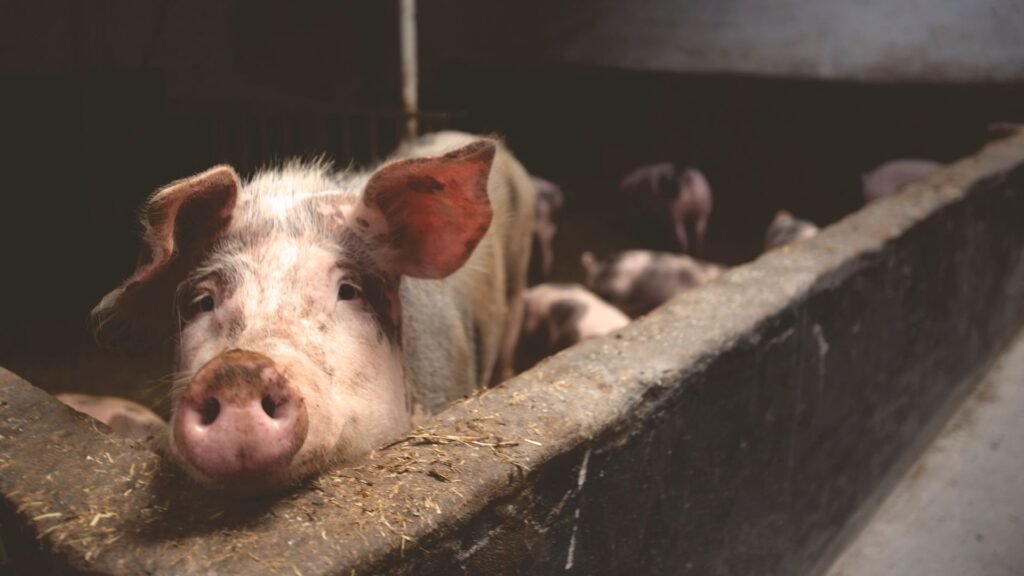
Beyond the big two, agree a health programme with a pig vet for your unit. Common issues include piglet scours, pneumonia in poorly ventilated houses, mange and lice, internal worms, and erysipelas. Clean, dry pens, all-in-all-out management of groups, and good ventilation prevent most of them.
Selling Pigs
Most commercial pigs are sold to abattoirs as porkers or heavier baconers, and paid per kilogram of carcass according to their grading. South African pork carcasses are classified on the PORCUS system, which grades pigs mainly on their lean meat content, so a leaner carcass earns a better price. Ask your abattoir what weight range and grading it pays best for, and feed and select to hit it.
Prices move sharply. In early September 2026, porkers averaged about R28.51 per kilogram and baconers about R28.57, both down roughly 18% from a year earlier after imports rose and local supply recovered, according to Absa’s Agri Trends livestock report. That kind of swing is why pig farmers watch their feed cost per kilogram so closely.
Other channels include selling weaners to growers, supplying local butcheries on contract, and selling breeding stock. Whatever the channel, a regular, reliable supply of evenly finished pigs earns you better prices than irregular batches.
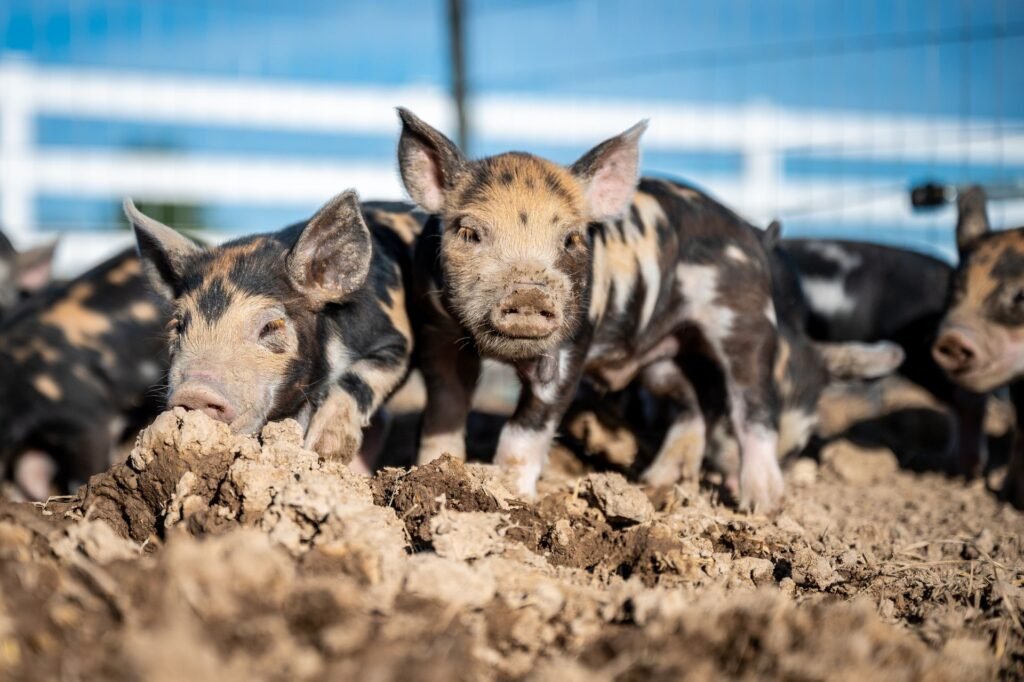
Starting Small: What a Few Sows Can Teach You
Many successful pig farmers started with a handful of sows. A small unit lets you learn the rhythm of mating, farrowing and weaning, find out what your feed really costs and build relationships with buyers before you put serious money into buildings. But small does not mean casual. A few pigs kept loosely, fed on scraps and mixed with the neighbours’ pigs are exactly how ASF spreads, and they will never make money.
If you start small, start properly: a clean, fenced unit, bought-in rations, healthy stock from a known herd, and records from day one. Grow once your pigs weaned per sow and your feed cost per kilogram look right, not before. Our step-by-step guide on how to start a small piggery works through pens, feed and cash flow for a 10-sow unit.
Managing Manure and Effluent
Pigs produce a lot of manure and wash water, and neighbours, municipalities and environmental officials take it seriously. Plan it before you build. Pens should drain to a closed channel that leads to a properly sized effluent dam or pond, well away from boreholes, rivers and houses. Solids can be composted and spread on lands or pastures as fertiliser. A piggery that smells, breeds flies or leaks effluent into a stream can be forced to close, so check your municipality’s rules and any environmental requirements for the size of unit you plan.
What It Costs to Start a Piggery
- Housing: farrowing, weaner, grower and sow pens, with good ventilation, drainage and water. This is usually the biggest start-up cost.
- Breeding stock: healthy gilts and a boar, or an AI arrangement.
- Feeders and drinkers that do not waste feed or water.
- Biosecurity: fencing, a boundary loading ramp, a change room and footbaths.
- Feed: enough working capital to feed pigs for six months before your first sale.
- Waste management: a plan for manure and effluent that keeps it away from boreholes, rivers and dams.
- Vet support and records.
A Simple Example of Pig Farming Economics
Here is a rough illustration for a farrow-to-finish unit with 10 sows. Change the numbers to match your unit.
| Item | Assumption | Result |
|---|---|---|
| Sows | 10 | 10 |
| Litters per sow per year | 2.2 | 22 litters |
| Piglets weaned | 10 per litter | 220 weaners |
| Pigs sold | 4% losses after weaning | about 211 pigs |
| Sale value | 80 kg carcass at about R28.57/kg | about R2,285 per pig |
| Pig income | about R482,000 a year |
That looks like a lot of money, but most of it goes straight back into feed. Work out how much feed each pig eats from birth to slaughter, multiply by your feed price, and add the sows’ feed, labour, electricity, vet costs, transport and repairs. If one extra piglet per litter survives, you sell about 22 more pigs a year for almost the same fixed costs. That is why piglet survival and FCR are the numbers that decide whether a piggery makes money.
Common Mistakes in Pig Farming
- Weak biosecurity. One visitor, truck or pork sandwich can bring ASF onto your farm.
- Feeding swill. It is one of the main ways ASF spreads.
- Cheap or poorly balanced feed. It saves money on the bag and costs more in slow growth.
- Hot, badly ventilated housing. Pigs cannot sweat, and heat stress costs growth and fertility.
- Losing piglets. Cold, crushing and scours in the first week are the biggest losses in most piggeries.
- Buying pigs from unknown sources. Always know the health status of the herd you buy from.
- No records. Without them you cannot measure FCR, pigs weaned per sow or cost per kilogram.
More Pig Farming Guides
- Large White pigs in South Africa: a complete breed guide
- Landrace Pigs in South Africa: A Complete Breed Guide
- Common Pig Diseases in South Africa: Signs, Prevention and Control
- Pig Housing in South Africa: How to Design a Piggery That Works
- How to Start a Small Piggery in South Africa: A Step-by-Step Guide
- Feeding Pigs: A Stage-by-Stage Guide for South African Farmers
- Pig Breeding in South Africa: From Mating to Weaning
- Pig Prices in South Africa (2026): What Farmers Are Really Paid
- Large White vs Landrace vs Duroc: Which Pig Breeds Suit Your Piggery?
- Buying Livestock in South Africa: A Beginner’s Guide in 8 Steps (2026)
Frequently Asked Questions About Pig Farming in South Africa
Is pig farming profitable in South Africa?
It can be, but margins depend heavily on feed prices, pork prices, piglet survival and feed conversion. The best-run units keep feed costs per kilogram low and lose very few pigs.
Which pig breed is best for beginners?
Large White and Landrace are good mother breeds, and crossbred Large White x Landrace sows mated to a Duroc boar are a proven commercial combination. Start with healthy stock from a reputable herd.
How long is a pig pregnant?
About 114 days, or three months, three weeks and three days. A sow can have just over two litters a year.
How many piglets does a sow have?
A good commercial sow usually has around 10 to 14 piglets in a litter. What matters most is how many she weans.
How long does it take to raise a pig for slaughter?
Most pigs reach slaughter weight at about five to six months old, depending on genetics, feed and housing.
How do I protect my pigs from African swine fever?
Strict biosecurity: control who and what enters, never feed swill, keep pork products off the farm, quarantine new pigs, keep other pigs out, and report any sudden deaths to your state vet immediately. There is no vaccine.
Do I need a permit to keep or move pigs?
Pigs must carry a registered identification mark and move with the correct documents. Where foot-and-mouth disease or ASF controls apply, you may also need a veterinary movement permit. Check with your local state vet and your municipality before building a piggery.
Final Thoughts
Successful pig farming in South Africa rests on a few things done every day without fail: strict biosecurity, well-balanced feed with little waste, cool and clean housing, careful attention to piglets in their first week, good records, and a reliable buyer. Get those right and a well-run piggery can turn over steady income. Get them wrong and the margins disappear fast.
If you are ready to start or expand a piggery, see the pig breeds we supply or request a quote for healthy breeding stock. For the bigger picture, read our guide to livestock farming in South Africa.
Looking to buy pigs?
Tell us the breed, age group, quantity and delivery area. We reply with availability, pricing and transport costs, usually within one working day.
DRM LIVE STOCK is a registered South African livestock company (Company No. K2023207798, VAT No. 4640323079) based at 135 Rocklands Rd, Uitenhage Farms, Gqeberha. We supply cattle, goats, sheep and pigs, with delivery across South Africa.