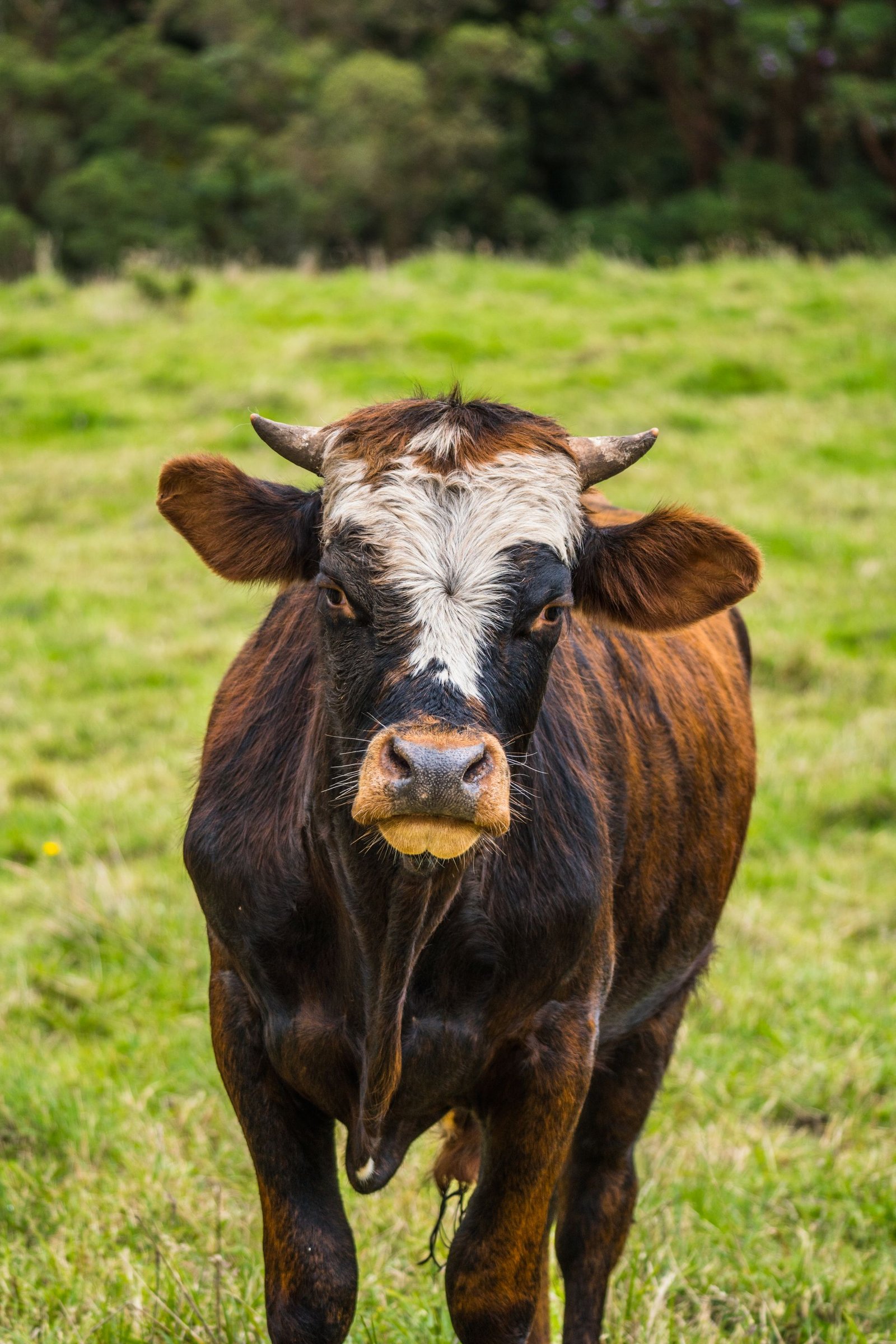
Nguni cattle prices cover one of the widest ranges in South African livestock. At the same club auction in 2023, a single stud bull sold for R570,000 while pregnant heifers averaged about R13,000. At a commercial production sale in 2025, good bulls went for R20,000 to R56,000 and most cows with calves sold for between R12,500 and R22,000. Ask “what does an Nguni cost?” and the honest answer is: it depends on what kind of animal you want and why you want it.
This guide breaks down Nguni cattle prices in South Africa using published auction results, explains why stud animals, commercial females and weaners are priced so differently, and gives you a practical way to work out what Nguni cattle are worth to your own farm before you buy.
Nguni Cattle Prices at a Glance
| Sale | Type of animal | Price |
|---|---|---|
| Sentrale Nguni Club auction, Free State, October 2023 | Top stud bull | R570,000 |
| Sentrale Nguni Club auction, October 2023 | Bulls (average of 13) | R79,077 |
| Sentrale Nguni Club auction, October 2023 | Pregnant heifers / pregnant cows (averages) | R13,196 / R13,071 |
| Sentrale Nguni Club auction, October 2023 | Cow-and-calf units (average) | R15,532 |
| Northern Nguni Club auction, Limpopo, February 2024 | Registered females | R8,000 to R20,000 |
| Umsenge Nguni production sale, Eastern Cape, May 2025 | Bulls | R20,000 to R56,000 |
| Umsenge Nguni production sale, May 2025 | Cows with calves | R11,000 to R35,000 (most R12,500 to R22,000) |
| Umsenge Nguni production sale, May 2025 | Pregnant females | R9,500 to R24,000 |
| National weaner market, mid-September 2026 | Weaner calves (all breeds) | About R47 to R50/kg live weight |
These are published results from specific sales, not fixed prices. Breeding stock prices change with the season, the quality on offer and the mood of the buyers on the day, and the weaner market moves every week.
1. Why Nguni Cattle Prices Vary So Much
Nguni cattle are sold into three quite different markets, and each one has its own price logic.
- Stud animals are bought by breeders who want genetics to improve their own herds. A proven bull from a well-known stud, with good records and an eye-catching hide, can fetch many times the price of a commercial bull.
- Commercial breeding females (heifers, pregnant cows and cows with calves) are bought by farmers building or expanding a cow herd. Their price reflects their age, pregnancy status, condition and the reputation of the seller.
- Weaners are mostly sold by weight to feedlots and backgrounders. Their value follows the national weaner price, adjusted for size and type.
Mixing these markets up is the most common mistake new buyers make. A R570,000 bull says a lot about top-end stud breeding, but almost nothing about what you should pay for a herd of commercial cows.
2. Record Nguni Cattle Prices at Stud Auctions
In October 2023, a bull called T16 232 from the Nandi Nguni Stud sold for R570,000 at the 29th Sentrale Nguni Club auction near Bloemfontein. African Farming described it as a possible new world record for the breed, and Farmer’s Weekly also reported on the sale. The same breeders had set an earlier record of R310,000 for a bull in 2020.
The 13 bulls sold at that auction averaged R79,077, which shows how much a few exceptional animals can lift an average. Top stud bulls are rare, and the prices they reach are driven by competition between a handful of serious breeders. They are not a guide to what a good working bull costs.
3. Nguni Cattle Prices for Commercial Bulls
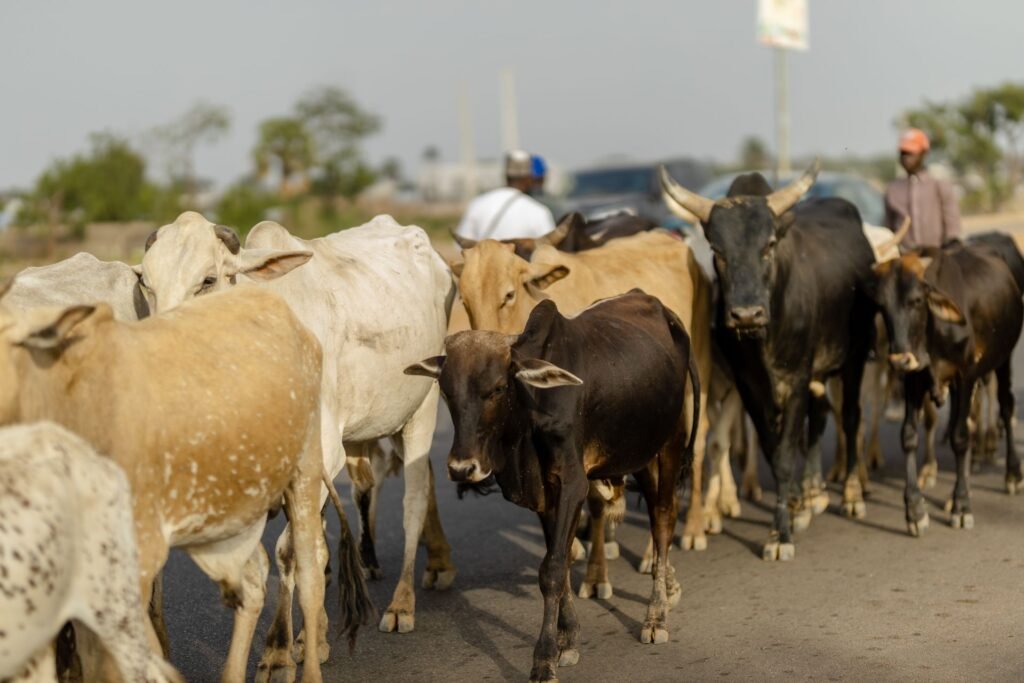
For a commercial cattle farmer, the more useful figures come from production sales. At the Umsenge Nguni 25th Bull and Production Sale in Makhanda (Grahamstown) in May 2025, bulls sold for between R20,000 and R56,000. At the 38th Northern Nguni Club auction near Bela-Bela (Warmbad) in February 2024, a bull sold for R25,000.
A bull usually serves a herd for several seasons, so his cost is spread over many calves. A fertile, sound bull with good records that gets 25 to 30 cows in calf each season is often cheaper per calf than a bargain bull that fails, breaks down or passes on poor traits. Always ask for a breeding soundness examination by a vet before you pay.
4. Nguni Cattle Prices for Cows and Heifers
Breeding females are where most buyers spend their money, and the published figures are fairly consistent:
- At the Sentrale Nguni Club auction in 2023, pregnant heifers averaged R13,196, pregnant cows R13,071 and cow-and-calf units R15,532.
- At the Northern Nguni Club auction in 2024, registered females sold for R8,000 to R20,000.
- At the Umsenge production sale in 2025, cows with calves ranged from R11,000 to R35,000, with most between R12,500 and R22,000. Pregnant females sold for R9,500 to R24,000, and “3-in-1” units (a cow with a calf at foot and pregnant again) for R13,000 to R22,000.
As a rough rule from these sales, a sound commercial Nguni cow or pregnant heifer from a reputable breeder has tended to sell somewhere in the low to mid-teens of thousands of rands, with top females and 3-in-1 units costing more. Prices at your sale may be higher or lower, so treat these as reference points, not quotes.
5. Nguni Weaner Prices and the Feedlot Question
Weaners are priced per kilogram of live weight, and the national price has been strong in 2026. In mid-September 2026, AMT reported an average of about R46.92/kg for 200 to 250 kg weaners, and the Absa and RPO farm-gate figure was about R49.62/kg, as we covered in our guide to Bonsmara cattle prices. Our guide to weaner prices in South Africa tracks the latest figures and what is driving them.
Purebred Nguni weaners, however, are usually lighter than weaners from larger breeds. In a Farmer’s Weekly article, an Eastern Cape breeder reported weaning pure Nguni calves at about 170 to 180 kg, compared with 215 to 220 kg for Nguni cows crossed with beef bulls. He also noted that large feedlots were reluctant to buy purebred Nguni weaners, while his crossbred calves sold at comparable prices to other commercial weaners.
Some feedlots have historically paid less per kilogram for Nguni weaners. Writing about the Nguni weaner crisis in 2014, journalist Heather Dugmore reported discounts of about R2 to R5/kg at the time. That was more than a decade ago and the market has changed, but it shows why many commercial Nguni farmers cross their cows with a terminal sire.
6. Working Out What a Nguni Weaner Is Worth
Because weaners are sold by weight, you can estimate their value by multiplying the weaning weight by the price per kilogram. Using the mid-September 2026 AMT figure of R46.92/kg as an example only:
- a 175 kg purebred Nguni weaner would be worth about R8,210;
- a 220 kg crossbred weaner out of a Nguni cow would be worth about R10,320.
If a buyer discounts purebred Nguni weaners by even R3/kg, the 175 kg calf drops to about R7,690. In this example, the crossbred calf earns roughly R2,000 to R2,600 more per head. On a herd of 100 cows weaning 85 calves, that difference adds up quickly.
These are illustrations, not quotes. Your real price depends on the week’s market, the buyer, the condition and uniformity of your calves, and any discounts or transport costs. But the logic explains why Nguni cows are so often used as the mother line in a crossbreeding system. Our comparison of Angus vs Simmentaler looks at two popular terminal and crossbreeding sires.
7. What You Get for the Price
Nguni cattle prices make more sense when you look at what the breed is valued for. As described by Farmer’s Weekly and breeders across the country, the Nguni is an indigenous Sanga-type breed known for:
- Fertility and longevity: breeders value Nguni cows for calving regularly and staying productive for many years.
- Low maintenance: a moderate frame means cows can be kept at a higher number per hectare than many larger breeds, and they are known to cope well on natural veld.
- Tick and heat tolerance: the breed is widely regarded as hardy in hot, tick-prone regions, which can reduce dipping and treatment costs.
- Easy calving: smaller calves at birth usually mean fewer calving problems.
- Hides: the colourful, patterned hides are prized in the décor and leather market.
For more on how the Nguni compares with a larger commercial breed, see our guide to Bonsmara vs Nguni.
How to Get Value When You Buy Nguni Cattle
- Decide your purpose first. A commercial cow herd, a stud, and a crossbreeding programme each need different animals at different prices.
- Compare like with like. Pregnancy-tested heifers, open heifers, pregnant cows and cows with calves are priced differently. Make sure a quote states exactly what you are buying.
- Ask for records. Calving dates, pregnancy test results, vaccination history and, for registered animals, breed society papers.
- Check health and movement rules. Make sure animals come with the right health certificates and movement documents, especially in areas affected by foot-and-mouth disease restrictions.
- Budget for transport. Moving cattle across the country can add significantly to the cost per head.
- Get everything in writing. Buy from a registered business and pay only against an official invoice.
Our guide to buying livestock in South Africa covers each of these steps in more detail.
Nguni Cattle Prices and the Wider Beef Market
Breeding stock prices tend to follow the beef market. When weaner and slaughter prices are high, farmers have more cash and more confidence to expand their herds, and demand for good cows rises. When prices fall, or when drought forces farmers to sell, breeding stock becomes easier to buy.
In 2026, weaner prices have been firm, but foot-and-mouth disease restrictions have complicated cattle movement and sales in several regions. If you are planning to buy, confirm that the animals can legally be moved from the seller’s area to your farm before you commit. Our overview of cattle farming in South Africa explains more about the market and the main costs of running a herd. Our guide to cattle diseases covers the main health risks.
Frequently Asked Questions
How much does a Nguni cow cost in South Africa?
Published auction results show commercial Nguni cows and pregnant heifers mostly selling between about R9,500 and R24,000, with averages around R13,000 at the 2023 Sentrale Nguni Club auction. Cows with calves usually cost more, with most selling for R12,500 to R22,000 at a 2025 production sale.
How much is a Nguni bull?
Commercial Nguni bulls sold for R20,000 to R56,000 at a 2025 production sale. Top stud bulls can fetch far more: one sold for R570,000 in 2023, a possible world record for the breed.
What are Nguni cattle prices per kg?
Breeding cattle are sold per head, not per kilogram. Weaners are sold by live weight, and in mid-September 2026 the national weaner price was about R47 to R50/kg. Some buyers may pay less per kilogram for purebred Nguni weaners because they are lighter.
Why are Nguni weaners sometimes cheaper?
Purebred Nguni calves are usually lighter at weaning than calves from larger breeds, and some feedlots prefer heavier, faster-growing calves. That is why many farmers cross Nguni cows with a beef bull to produce heavier weaners.
Is the Nguni a good breed for a new cattle farmer?
For many farmers it is, especially on natural veld in hot or tick-prone areas. Nguni cows are known for fertility, easy calving and low maintenance. Just plan how you will market your calves before you buy.
Why do Nguni stud bulls sell for so much?
A top stud bull can influence hundreds of calves across many herds, so breeders compete hard for proven genetics, good records and attractive colour patterns. These prices reflect a small stud market, not normal commercial values.
Where can I buy Nguni cattle?
You can buy at breed club auctions, production sales or directly from established suppliers. DRM Livestock supplies Nguni cattle to farms across South Africa with health documents and delivery arranged.
Final Thoughts
Nguni cattle prices range from under R10,000 for a commercial female to over half a million rand for an exceptional stud bull. For most farmers, the figures that matter are the R12,000 to R22,000 range for good breeding females and the weaner price your calves will earn. Know what you are buying, compare like with like, and work out what each cow will earn you over her lifetime. If you are looking for Nguni cattle for sale, send us your requirements and we will get back to you with a written quote, including delivery to your farm.
Looking to buy cattle?
Tell us the breed, age group, quantity and delivery area. We reply with availability, pricing and transport costs, usually within one working day.
DRM LIVE STOCK is a registered South African livestock company (Company No. K2023207798, VAT No. 4640323079) based at 135 Rocklands Rd, Uitenhage Farms, Gqeberha. We supply cattle, goats, sheep and pigs, with delivery across South Africa.