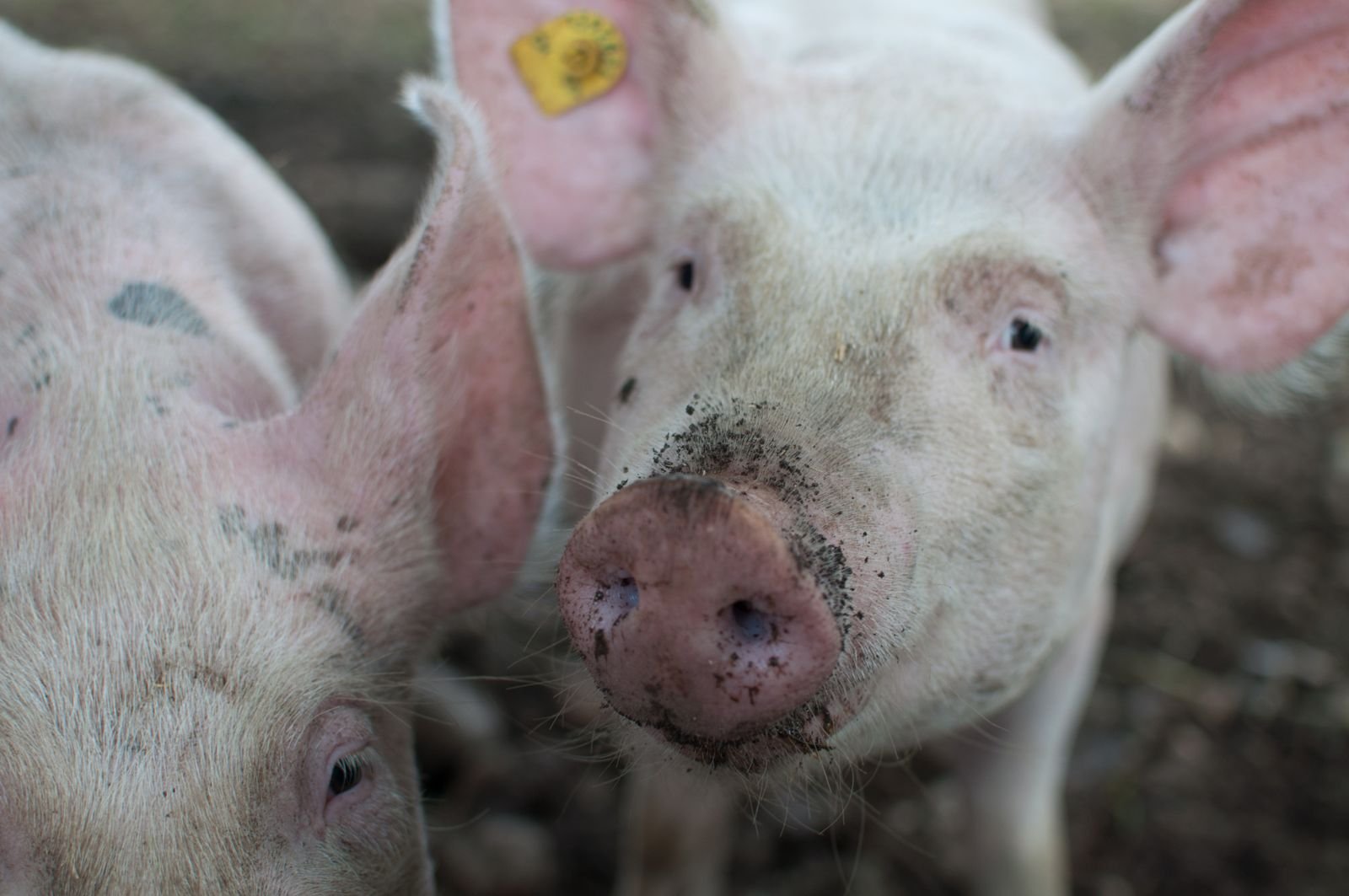
Pig diseases can wipe out a piggery faster than almost anything else in livestock farming. Pigs live close together, breed fast and are sold on tight margins, so one disease brought in on a truck, a pair of boots or a bag of kitchen scraps can cost months of income. South African pig farmers have learned this the hard way over the past year, with the country’s largest African swine fever outbreak on record and the first foot-and-mouth cases in commercial piggeries.
This guide covers the pig diseases in South Africa that every farmer should know, from the notifiable diseases that can shut a farm down to the everyday problems that quietly eat into growth: what each one looks like, how it spreads and what you can do to keep it out. It is a practical guide, not a replacement for your vet, who should be part of every piggery’s plan.
Common Pig Diseases at a Glance
| Disease | Who it hits | Main signs | Key control |
|---|---|---|---|
| African swine fever | All ages | Fever, sudden deaths, red or blue skin | Biosecurity, no swill, report immediately |
| Foot-and-mouth disease | All ages | Blisters on feet and snout, lameness | Movement rules, vaccination where allowed, report |
| PRRS | Sows and growers | Abortions, weak piglets, coughing | Closed herd, quarantine, vet plan |
| Piglet scours | Piglets | Diarrhoea, dehydration, deaths | Hygiene, colostrum, sow vaccination |
| Glasser’s disease | Weaners of 3 to 6 weeks | Fever, swollen joints, lameness | All-in/all-out, early treatment |
| Parvovirus | Sows and gilts | Small litters, mummified piglets | Gilt vaccination before breeding |
| Roundworms | Growers | Slower growth, poorer feed conversion | Deworming, clean pens |
1. African Swine Fever
African swine fever (ASF) is the most dangerous of all pig diseases in South Africa. It is a virus that infects domestic and wild pigs and, according to Farmer’s Weekly, has a high death rate, with pigs often dying within seven to ten days of infection. There is no treatment and no approved vaccine. People cannot catch it, and pork sold through formal channels is safe to eat, but for a pig farmer an outbreak can mean losing the whole herd.
The 2025/26 outbreak was the largest ASF outbreak ever recorded in South African commercial piggeries, with affected units north of Pretoria depopulated and expected to take 12 to 18 months to return to full capacity, according to Food For Mzansi. SAPPO warned that ASF remains “an ever-present risk”, with continuous outbreaks in smaller and informal settings.
ASF spreads through:
- Contact with infected pigs, including pigs bought from auctions or farms with poor biosecurity.
- Swill or kitchen waste containing pork. The virus survives a long time in pork products.
- Contaminated vehicles, equipment, clothing and boots.
- Ticks and wild pigs. In the north of the country, warthogs and the soft ticks that live in their burrows carry the virus without getting sick.
Signs include high fever, pigs going off feed and huddling together, red or bluish patches on the ears, belly and legs, and a sudden rise in deaths. ASF is a controlled disease, so if you suspect it, isolate the pigs, stop all movement and phone your vet or state vet straight away.
2. Foot-and-Mouth Disease
Foot-and-mouth disease (FMD) affects pigs as well as cattle, sheep and goats, and pigs can shed large amounts of the virus. Over the past year, South Africa had its first case in a commercial piggery, followed by 17 FMD incidents at commercial units, according to African Farming. About 200,000 FMD vaccine doses were allocated and recorded through SAPPO’s World of Pork platform, and revised control measures were published in July 2026.
Look for blisters on the snout, tongue, feet and teats, lameness, pigs reluctant to stand and a drop in feed intake. FMD is a controlled disease. Report suspected cases immediately, follow the movement rules in your area and buy only pigs with the right health paperwork.
3. PRRS and Other Pig Diseases That Hit Breeding
Porcine reproductive and respiratory syndrome (PRRS) is a virus that attacks both reproduction and the lungs. Farmer’s Weekly lists late abortions, weak piglets and irregular heats in sows, and coughing, laboured breathing, fever and poor appetite in growing pigs. Signs usually show two to seven days after infection, and there is no specific treatment, so prevention is everything. If you see these signs, call your vet, who will advise on testing and any official steps.
Porcine parvovirus mainly shows up as poor litters: small litters, mummified piglets, stillbirths and gilts that seem infertile. The sow herself often looks healthy. Vaccinating gilts before they are first bred is the usual protection, so ask your vet to build it into your breeding programme. Our pig breeding guide covers gilt preparation and farrowing care.
Classical swine fever is another serious viral disease with fever, weakness, diarrhoea, nervous signs and breeding losses. Like ASF, it must be reported straight away.
4. Piglet Diseases: Scours, Clostridium and Anaemia
Most piglet losses happen in the first weeks of life, and the pig diseases behind many of them come down to hygiene, warmth and colostrum.
- Scours. Diarrhoea in young piglets has several causes, including E. coli, viruses such as transmissible gastroenteritis and poor hygiene. Farmer’s Weekly notes that transmissible gastroenteritis causes severe diarrhoea, vomiting and dehydration, with high losses in piglets under two weeks old. Keep farrowing pens clean, dry and warm, and make sure every piglet drinks colostrum in its first hours.
- Clostridium perfringens type C. According to a SAPPO-backed Farmer’s Weekly guide by Dr Andrew Tucker, piglets look healthy at birth but develop severe bloody diarrhoea and die within 12 to 24 hours of signs appearing. Treatment is not very successful, so prevention through sow vaccination, hygiene and colostrum is the answer.
- Iron deficiency anaemia. Piglets are born with small iron reserves, and sow’s milk is low in iron. Indoor piglets usually need an iron injection in their first few days. Ask your vet for the right product and timing.
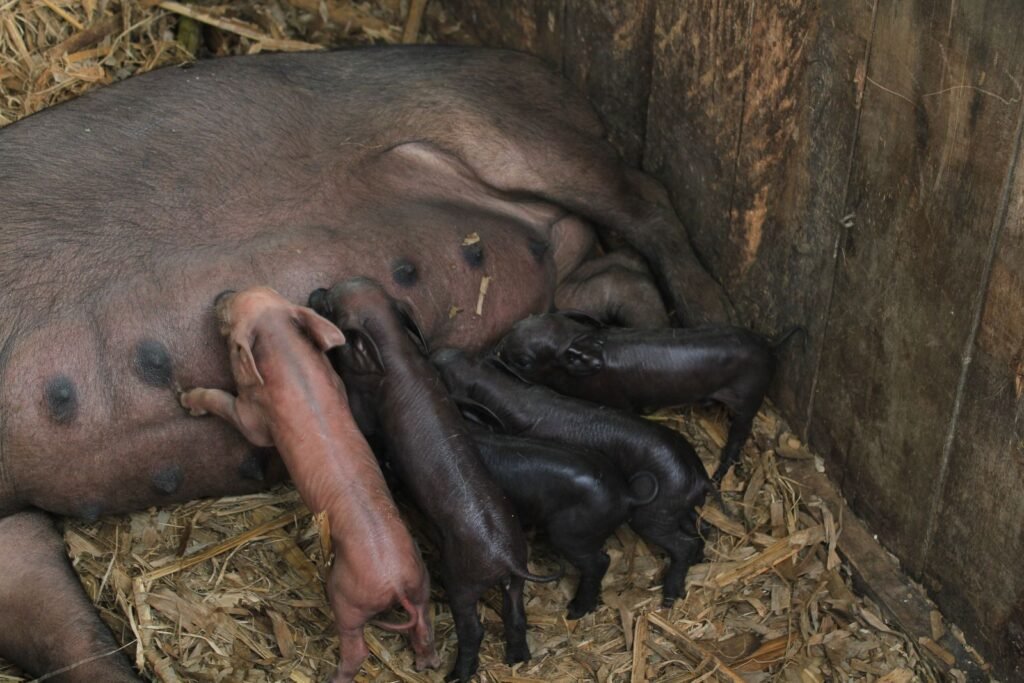
Our guide to Large White pigs covers sow selection and farrowing management, which go hand in hand with piglet health.
5. Glasser’s Disease and Respiratory Pig Diseases
Glasser’s disease, caused by Haemophilus parasuis, usually hits piglets of three to six weeks old, often around weaning. According to the Farmer’s Weekly guide by Dr Andrew Tucker, signs include sudden fever and loss of appetite, followed by nasal discharge, breathing trouble, coughing and swollen, painful joints. Pigs can die two to five days after infection. Antibiotics work well if started early, and all-in/all-out management with thorough washing and drying of pens helps prevent it.
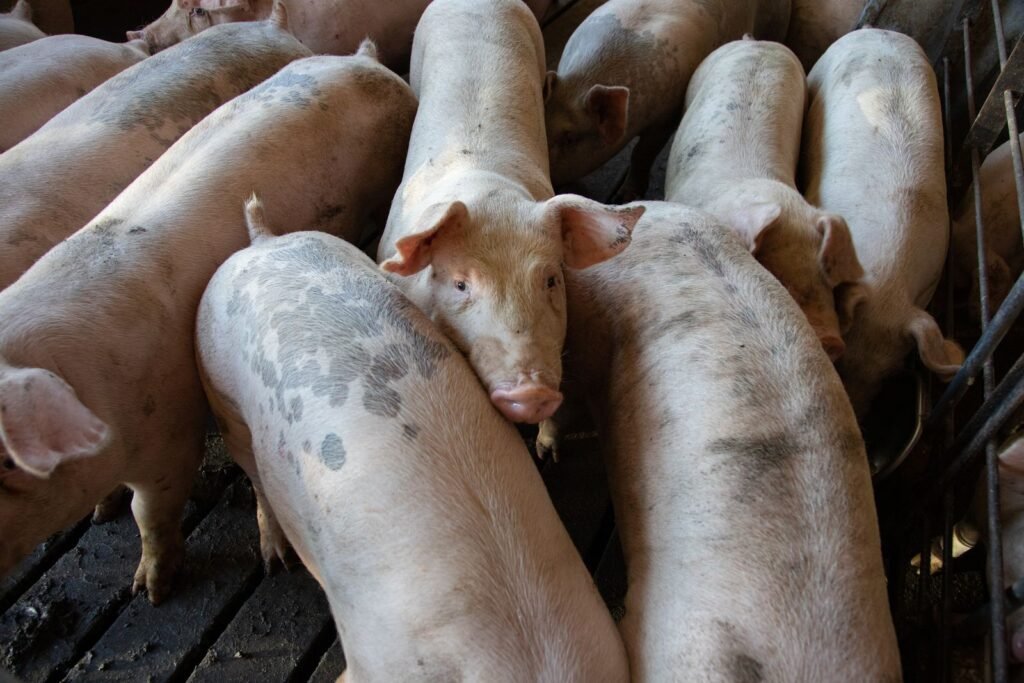
Respiratory pig diseases in growers more generally are driven by crowding, poor ventilation, dust, ammonia and mixing pigs from different sources. Good airflow without draughts, sensible stocking density and keeping batches together all cut the risk. Our guide to pig housing explains how to design airy, draught-free pens.
6. Worms and External Parasites
Of the parasitic pig diseases, large roundworms (Ascaris suum) rarely cause obvious illness, but the same Farmer’s Weekly guide notes that they can reduce growth by up to 10% and worsen feed conversion. Pigs may cough while the larvae move through the lungs, and abattoirs condemn livers with white “milk spots”. Worm eggs can survive in soil for up to five years, so pens and camps stay contaminated for a long time.
Deworm on a programme agreed with your vet, wash and dry pens between batches, and keep a check on mange and lice, which cause itching, rubbing and slower growth. Eperythrozoonosis, a blood parasite that causes pale or yellow piglets and anaemic sows, can be spread by lice and shared needles, so use clean needles and keep lice under control.
7. Heat Stress and Nutrition Problems
Not all pig health problems are infectious pig diseases. Pigs cannot sweat, and South African summers are hard on them. Heat stress cuts feed intake, growth, fertility and milk production, and can kill heavy sows and finishing pigs. Shade, airflow, cool clean water and drippers or sprinklers make a big difference.
Poor or unbalanced feed weakens pigs and opens the door to other pig diseases. Our guide to feeding pigs covers rations for every stage, from creep feed to lactating sows.
Biosecurity: Your Best Protection Against Pig Diseases
As SAPPO’s Karla Zietsman put it, biosecurity “remains the single most effective defence against both ASF and FMD”. Food For Mzansi summarised SAPPO’s advice, and it applies to every pig disease in this guide:
- Keep pigs securely fenced, away from other pigs and cloven-hoofed animals.
- Do not buy pigs from high-risk sources such as auctions or farms with poor biosecurity.
- Keep visitors to a minimum, and make essential visitors follow strict biosecurity rules.
- Use dedicated farm clothing and boots, changed before entering pig areas.
- Feed only heat-treated swill that meets the regulations. Never feed raw kitchen waste containing meat.
- Clean and disinfect vehicles before loading and after unloading.
Add your own basics: quarantine every new pig for at least two weeks, and ideally four, before it joins the herd, run all-in/all-out batches where you can, keep records of every treatment and death, and ask your vet to post-mortem unexplained losses. For more on setting up a unit with biosecurity in mind, see our guide on how to start a small piggery and our wider guide to pig farming in South Africa.
Buying Healthy Pigs
Many outbreaks of pig diseases start with the purchase of a new pig. Before you buy:
- Ask the seller about the herd’s health status, vaccination programme and any recent disease problems.
- Check that the pigs come with the right movement and health paperwork for your area.
- Look for bright, active pigs with clean skin, good appetite and no coughing, scouring or lameness.
- Arrange clean, disinfected transport and keep the new pigs in quarantine when they arrive.
Our guide to buying livestock in South Africa covers the paperwork and payment checks. For goats and sheep, see our guides to goat diseases and sheep diseases.
Frequently Asked Questions
What are the most common pig diseases in South Africa?
African swine fever and foot-and-mouth disease are the most serious, while piglet scours, Glasser’s disease, respiratory disease, parvovirus and worms are among the most common everyday problems.
Is there a vaccine for African swine fever?
No. There is no approved vaccine and no treatment for ASF, so biosecurity is the only protection.
Can people catch African swine fever?
No. ASF only affects pigs, and pork sold through formal retail channels is safe to eat. People can, however, carry the virus on clothing, boots, vehicles and pork products.
What should I do if I suspect ASF or FMD?
Isolate the affected pigs, stop all movement on and off the farm and phone your vet or the state veterinarian immediately. Both are controlled diseases that must be reported.
Why are my piglets dying?
Common causes include scours, Clostridium infection, chilling, crushing by the sow, poor colostrum intake and anaemia. A vet post-mortem will tell you which one you are dealing with.
Can I feed kitchen waste to pigs?
Only heat-treated swill that meets the regulations. Raw kitchen waste containing meat is one of the main ways ASF spreads.
How long should new pigs be quarantined?
Keep new pigs apart from your herd for at least two weeks, and ideally four, watch them closely and ask your vet about testing before they join the herd.
Final Thoughts
Pig diseases in South Africa range from the catastrophic, like African swine fever, to the everyday problems that quietly cost you weight and feed. The answer to almost all of them is the same: buy healthy pigs from herds you trust, keep strict biosecurity, keep pens clean and pigs comfortable, and work with your vet before trouble starts. If you are stocking or restocking a piggery, have a look at our Large White pigs for sale, or send us your requirements and we will get back to you with a written quote, including delivery to your farm.
Looking to buy pigs?
Tell us the breed, age group, quantity and delivery area. We reply with availability, pricing and transport costs, usually within one working day.
DRM LIVE STOCK is a registered South African livestock company (Company No. K2023207798, VAT No. 4640323079) based at 135 Rocklands Rd, Uitenhage Farms, Gqeberha. We supply cattle, goats, sheep and pigs, with delivery across South Africa.