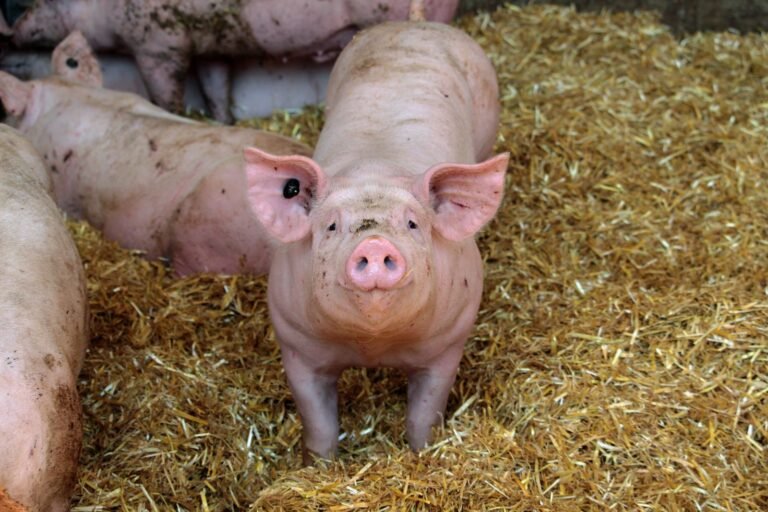
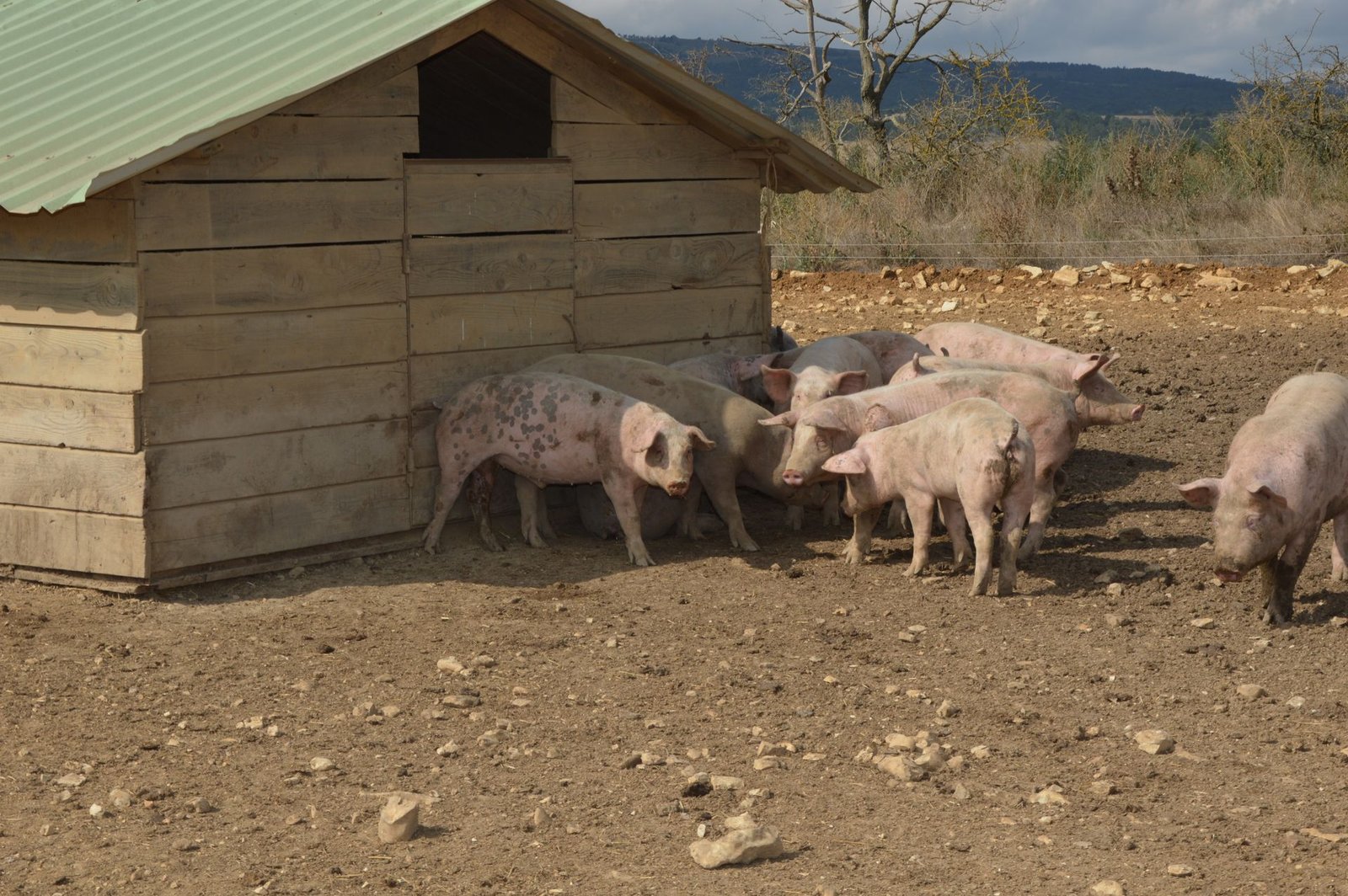
Starting a small piggery is one of the most common ways into commercial livestock farming in South Africa, and also one of the easiest to get wrong. Pigs breed fast, grow fast and turn feed into meat efficiently, so a few sows can become a real business within a year. But a small piggery that is badly planned, fed on scraps or open to every visitor can lose everything to one disease outbreak or one bad feed bill.
This guide takes you through how to start a small piggery step by step: finding your market, choosing the size of your unit, planning pens and land, budgeting for feed, buying the right breeding stock, protecting your pigs from African swine fever, and knowing when the first money will come in. It is written for farmers starting with roughly 5 to 20 sows.
A Small Piggery at a Glance
| Item | Rule of thumb | Source |
|---|---|---|
| Typical small-scale unit | 5 to 50 sows | SAPPO, via Stockfarm |
| Boars needed | About 1 boar per 12 sows | Farmer’s Weekly |
| First mating of gilts | 7 to 8 months, at about 100 kg | Farmer’s Weekly |
| Gestation | About 114 to 116 days | Standard figure |
| Feed per sow per year | About 1.2 tonnes | Farmer’s Weekly |
| Feed to grow one pig to 90 kg live weight | Up to about 270 kg | Farmer’s Weekly |
| Feed as a share of costs | About 60% or more | Farmer’s Weekly |
| Quarantine for new pigs | At least 28 days | Food For Mzansi biosecurity guide |
Step 1: Find Your Market Before You Build
SAPPO’s business development head, Kgadi Senyatsi, has listed marketing as the first of the industry’s “golden rules” for a viable piggery, ahead of housing, genetics and feed. In a Farmer’s Weekly interview, Senyatsi advised that a piggery should ideally be within about 200 km of its market.
Before you buy a single pig, decide what you will sell and who will buy it:
- Weaners sold to other farmers who grow them out. Less feed and housing, but lower income per pig and a smaller pool of buyers.
- Porkers or baconers sold to an abattoir on carcass weight and grade. This is the main commercial market, but you need transport and a buyer willing to take your numbers.
- Live pigs or pork sold locally to butcheries, restaurants or households. Higher margins are possible, but you must follow the meat safety rules, and pigs slaughtered for sale must go through a registered abattoir.
Phone the abattoirs within reach, ask what weight classes they want, how often they slaughter and what they pay, and whether they take pigs from small suppliers. Our guide to pig prices in South Africa explains how carcass prices are set and how much they moved in 2026.
Step 2: Choose the Size of Your Small Piggery
Size is a balance between what you can afford and what will actually pay. In the same interview, SAPPO suggested about 250 sows for a commercial farrow-to-finish unit to give a good return on investment, far more than most beginners start with. A small piggery is best seen as a stepping stone: a unit where you learn the work, prove your numbers and build a market before you expand.
According to Stockfarm, small-scale producers in South Africa typically keep between 5 and 50 sows. For a first unit, 10 sows and one boar is a practical size. It is big enough to keep a steady flow of pigs going to market, but small enough that one person can manage it properly while learning.
The rest of this guide uses a 10-sow farrow-to-finish unit as the example. Scale the numbers up or down for your own plan.
Step 3: Plan Your Land, Pens and Effluent
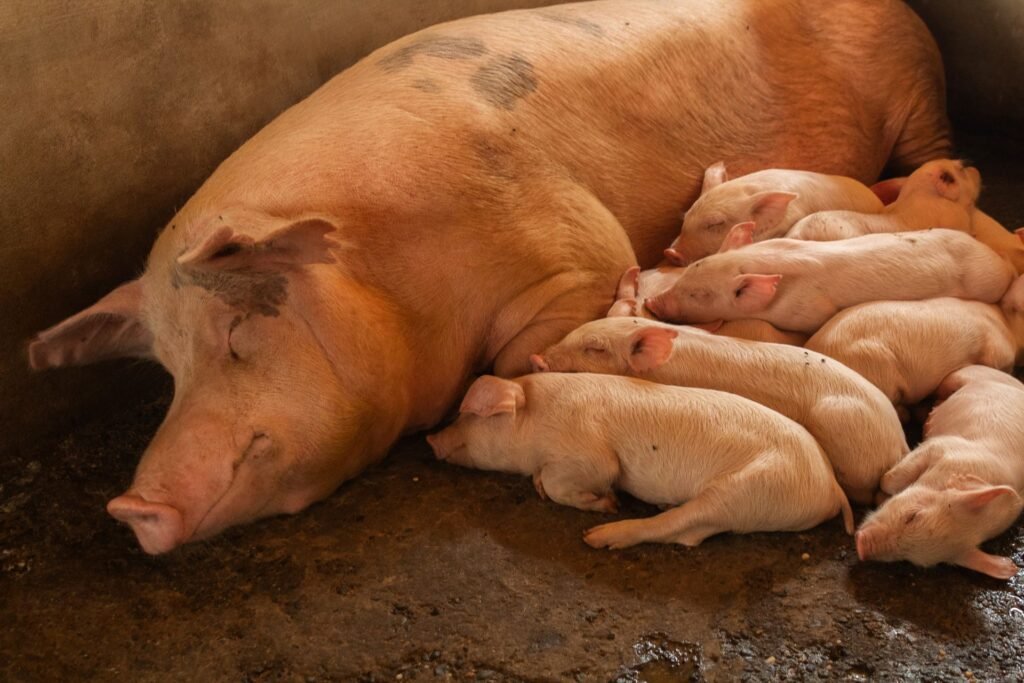
A small piggery does not need much land for buildings, but it does need space for waste. In the same Farmer’s Weekly interview, Senyatsi used a guideline of about 0.5 ha per sow, noting that most of that land is needed for manure and effluent, not for the pig houses. On that rule, a 10-sow unit would need about 5 ha in total.
To estimate the pens you need, work from the flow of pigs through the unit. In our 10-sow example:
- Farrowing pens: 10 sows farrowing about 2.2 times a year gives roughly 22 litters. If each sow spends about five to six weeks in a farrowing pen (a week before farrowing plus four weeks of suckling and a few days to clean), you will need about 3 farrowing pens, with a fourth as a spare so you can clean and rest pens between litters.
- Weaner and grower pens: at any time you will have about 60 to 80 pigs between weaning and slaughter. Plan pens so that pigs stay in batches of similar size and are not overcrowded as they grow.
- Dry sow and boar pens: space for pregnant and empty sows, and a separate, strong pen for the boar.
- Quarantine pen: a separate pen, well away from the main unit, for new pigs.
- Loading ramp: at the boundary, so trucks never drive into the pig area.
Pens must protect pigs from heat, cold and draughts, drain well, and have clean water at all times. Plan the effluent system before you build, and check your municipality’s rules. Senyatsi also noted that an environmental impact assessment may be required before construction. Larger units are more likely to need environmental authorisation, so speak to your provincial environmental department early. Our guide to pig housing covers pen design, ventilation and floors.
Step 4: Budget for Feed First
Feed is the biggest cost in any piggery. Farmer’s Weekly puts it at about 60% of total production costs, and many producers find it higher. Using the figures in that guide, a 10-sow farrow-to-finish unit would need roughly:
| Group | Calculation | Feed per year |
|---|---|---|
| Sows | 10 sows x about 1.2 t | About 12 t |
| Boar | Similar to a sow | About 1.2 t |
| Pigs grown to slaughter | About 190 pigs x up to 270 kg | About 51 t |
| Total | About 65 t |
Feed prices change with maize and soya prices and differ from mill to mill, so get quotes for each ration you will need. A simple way to see the impact: for every R1,000 per tonne that your feed costs, the 10-sow unit spends about R65,000 a year on feed. Multiply by your actual price per tonne and you have your biggest budget line.
Make sure you can pay for feed for at least six months before the first pigs are sold. Running out of money for feed halfway through a batch is one of the fastest ways to lose a piggery. Our guide to feeding pigs sets out how much each group eats per day, so you can check your feed budget.
Step 5: Work Out Your Cash Flow Timeline
New pig farmers are often surprised by how long it takes before the first proper income arrives. Using the standard biology of the pig, a farrow-to-finish unit started with young gilts looks roughly like this:
- Month 0: buy gilts, ideally a few weeks before they are ready to mate, and keep them in quarantine for at least 28 days.
- Month 1 to 2: gilts are mated at about 7 to 8 months old and about 100 kg.
- Month 5 to 6: first litters are born, about 114 to 116 days after mating.
- Month 6 to 7: piglets are weaned at about 4 to 5 weeks. If you sell weaners, this is your first income.
- Month 10 to 12: the first pigs reach slaughter weight, about five to six months after birth, and the first abattoir cheque arrives.
In other words, you will be paying for housing, stock, feed and vet costs for close to a year before steady income starts. Build that into your budget and any loan application.
Step 6: Buy the Right Breeding Stock
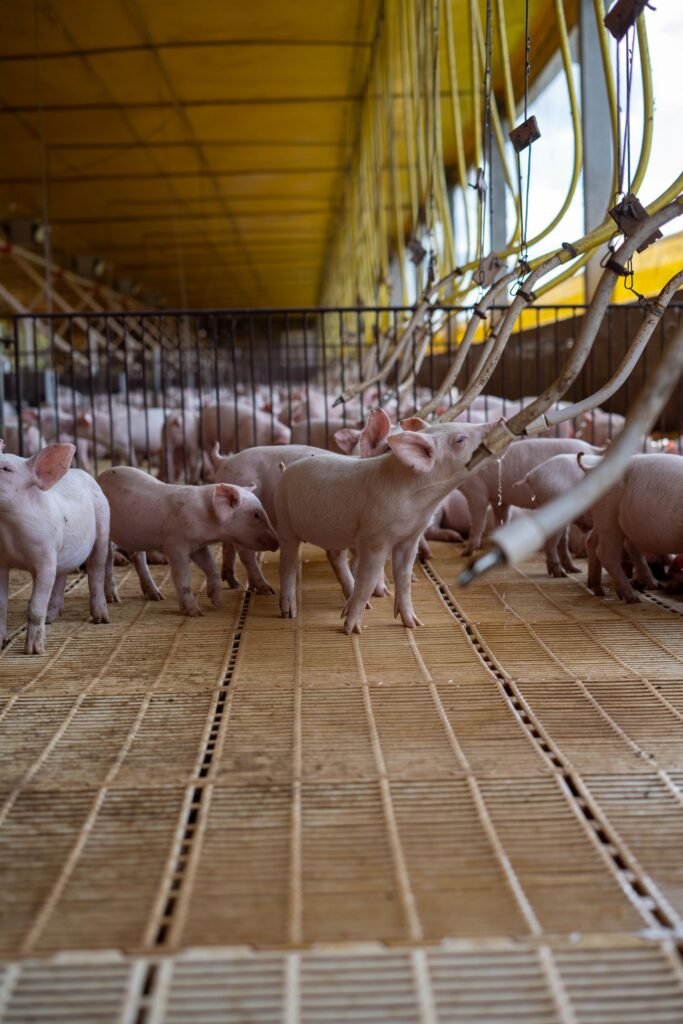
Your gilts and boar decide how many pigs you sell and how lean they are. Buy from a herd with a clear health record and good production, not from informal sales or neighbours’ backyard pigs. Once your breeding stock arrives, our guide to pig breeding covers heat detection, mating and farrowing.
- Gilts: Large White and Landrace gilts, or a Large White x Landrace cross, are the standard choice for a sow herd because of their litter size and mothering ability.
- Boar: a Duroc boar is often used to sire the slaughter pigs because of his growth and muscling. One boar can serve about 12 sows, so one is enough for a 10-sow unit, though a back-up plan or artificial insemination is wise.
- Health: ask about the source herd’s vaccination programme and disease history, and get the paperwork needed to move pigs legally.
Our comparison of Large White vs Landrace vs Duroc explains which breed to use for each role in a small piggery. Our Large White pigs guide explains what to look for in good breeding sows.
Step 7: Make Biosecurity Non-Negotiable
The 2026 outbreaks of African swine fever and foot-and-mouth disease showed how quickly disease can shut a piggery down. For a small unit, biosecurity is not a luxury. It is the business. For signs and prevention of the main health risks, see our guide to pig diseases in South Africa.
A Food For Mzansi biosecurity guide published in September 2026 sets out the basics that every small piggery should follow:
- Fence your unit so that pigs never roam and never meet warthogs, bushpigs or other people’s pigs.
- Never feed swill or kitchen waste containing pork. Feeding untreated food waste containing pork is prohibited under the Animal Diseases Act, and it is one of the main ways ASF spreads.
- Quarantine new pigs for at least 28 days, with their own boots and equipment.
- Control visitors. Keep a visitors’ register, allow only essential people in, and provide farm boots and overalls.
- Clean properly. Remove dirt first, then disinfect. Disinfectant does not work through mud and manure.
- Report suspected disease to your state veterinarian immediately, and stop all pig movements until you have advice.
Step 8: Get Training and Support
You do not have to learn everything the hard way. The South African Pork Producers’ Organisation runs a farmer development programme and the SAPPO Academy, which, according to African Farming, combines online courses, on-farm training and study groups, with a strong focus on biosecurity. Spending time on a well-run commercial piggery before you start is also one of the best investments you can make.
Find a vet who works with pigs before you buy stock, and agree on a vaccination and health plan for your unit.
Step 9: Keep Records From Day One
The difference between a small piggery that grows and one that quietly loses money is usually in the records. At a minimum, track:
- mating dates, farrowing dates and the number of piglets born alive and weaned per litter;
- deaths, and the cause where you know it;
- feed bought and fed to each group;
- weights and prices of every pig sold;
- vaccinations, treatments and vet visits.
From these you can work out pigs weaned per sow per year and your feed cost per kilogram of pork, the two numbers that decide whether your unit makes money. Our guide to pig farming in South Africa covers breeding, farrowing and everyday health in more detail.
What a 10-Sow Piggery Could Earn
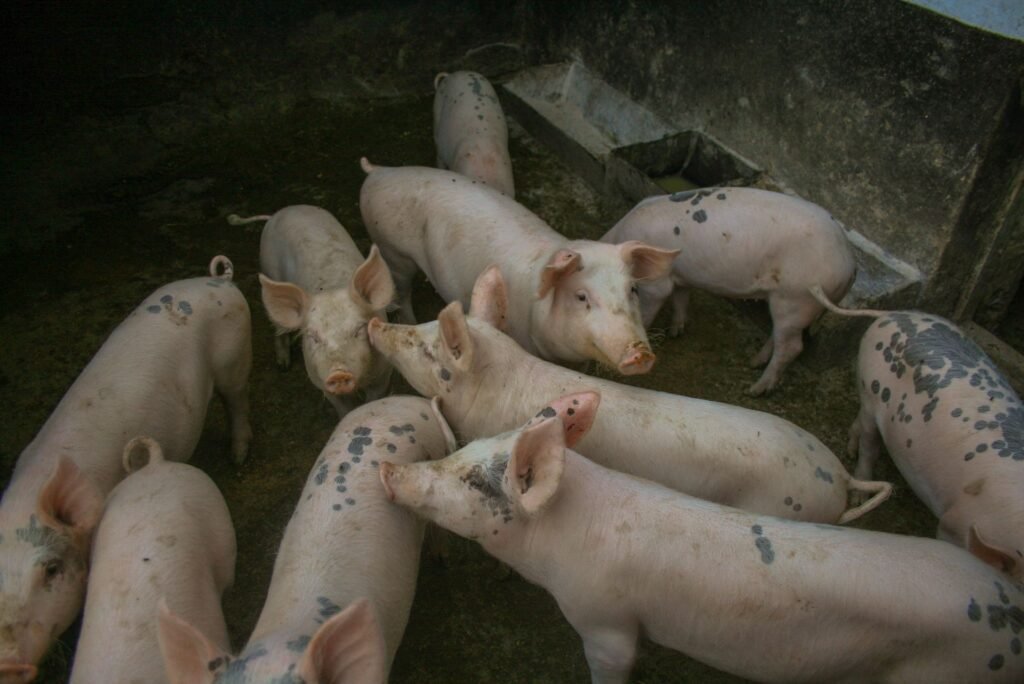
Here is a rough illustration, not a forecast. Farmer’s Weekly suggests a sow can produce about 20 piglets a year. After normal losses, 10 sows might send about 18 to 19 pigs each to slaughter, so the unit sells about 180 to 190 pigs a year. At a carcass weight of 70 kg and a price of about R30/kg, close to producer prices in mid-2026, each pig would earn about R2,100, or roughly R380,000 to R400,000 a year in total.
Most of that goes back into feed, along with labour, electricity, water, vet costs, transport and repairs. If your feed costs too much or you lose too many piglets, the margin disappears. If you wean one extra piglet per litter, you sell about 22 more pigs a year with almost no extra fixed costs. That is why piglet survival and feed efficiency matter far more than the headline price.
Common Mistakes When Starting a Small Piggery
- Building before finding a buyer.
- Buying cheap pigs of unknown health status.
- Feeding swill or kitchen waste to save money.
- Underestimating feed costs and running out of working capital.
- Skipping quarantine and allowing visitors into the pig area.
- Planning pens without thinking about effluent.
- Expanding before the numbers prove the unit works.
Frequently Asked Questions
How many sows should I start a small piggery with?
Many small producers start with 5 to 20 sows. Ten sows and one boar is a practical first unit that keeps a steady flow of pigs to market while you learn and build a buyer base.
How much land do I need for a small piggery?
The buildings need little space, but effluent does. A guideline used by SAPPO is about 0.5 ha per sow, mostly for waste management, so a 10-sow unit would need about 5 ha.
How long before a small piggery makes money?
If you start with young gilts, the first weaners are ready about six to seven months later, and the first slaughter pigs about 10 to 12 months later. Budget to cover costs for close to a year.
How much feed does a 10-sow piggery need?
Roughly 65 tonnes a year for a farrow-to-finish unit: about 12 t for the sows, about 1.2 t for the boar and about 51 t for the pigs grown to slaughter.
Which pig breeds are best for a small piggery?
Large White and Landrace sows, or a cross of the two, make good mothers, and a Duroc boar is often used to sire fast-growing slaughter pigs.
Can I feed kitchen waste to pigs?
No. Feeding untreated food waste containing pork is prohibited under the Animal Diseases Act, because it can spread African swine fever. Use balanced commercial rations.
Where can I get training on pig farming?
SAPPO’s farmer development programme and the SAPPO Academy offer online courses, on-farm training and study groups. Working on an established piggery before you start is also very valuable.
Final Thoughts
A small piggery can grow into a solid business if you start it the right way: market first, a sensible size, proper pens and effluent planning, enough money for feed, good breeding stock and strict biosecurity from day one. Get those right with 10 sows and you will have the numbers and the experience to grow with confidence. If you are ready to stock your unit, have a look at our Large White pigs, Landrace pigs and Duroc pigs, or send us your requirements and we will get back to you with a written quote, including delivery to your farm.
Looking to buy pigs?
Tell us the breed, age group, quantity and delivery area. We reply with availability, pricing and transport costs, usually within one working day.
DRM LIVE STOCK is a registered South African livestock company (Company No. K2023207798, VAT No. 4640323079) based at 135 Rocklands Rd, Uitenhage Farms, Gqeberha. We supply cattle, goats, sheep and pigs, with delivery across South Africa.