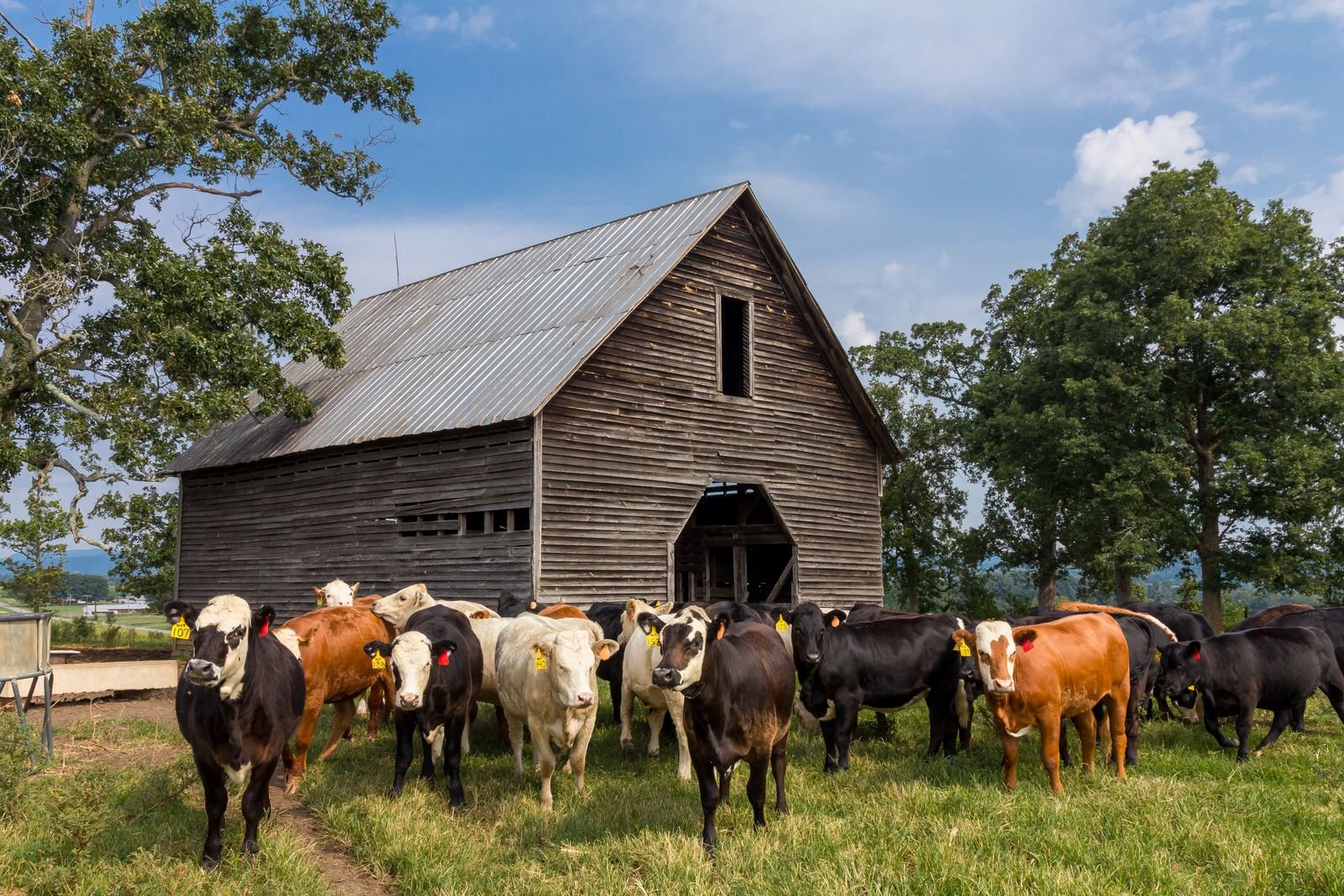
Cattle diseases cost South African farmers more than most realise. Some, like foot-and-mouth, make headlines and shut down whole regions. Others, like redwater and gallsickness, kill quietly, one good cow at a time, every summer. And a few, like brucellosis, can also make you and your family sick. The good news is that most cattle losses follow a pattern you can plan for, and a sound vaccination and tick programme prevents the bulk of them.
This guide covers the cattle diseases in South Africa that every farmer should know: foot-and-mouth disease, the tick-borne diseases, lumpy skin disease, brucellosis and TB, botulism and the clostridial diseases, and the problems that hit calves. For each one you will find the signs to look for, how it spreads and how to prevent it. Use it alongside your vet, who knows the diseases in your district.
Common Cattle Diseases at a Glance
| Disease | Main signs | Key control |
|---|---|---|
| Foot-and-mouth disease | Blisters on mouth and feet, drooling, lameness | Movement rules, vaccination programme, report |
| Redwater | High fever, red urine, anaemia | Tick control, vaccination of calves, early treatment |
| Gallsickness | Yellow gums, constipation, weakness in older cattle | Tick and fly control, calf vaccination |
| Lumpy skin disease | Firm lumps on the skin, fever, drop in milk | Yearly vaccination before the rains |
| Brucellosis | Abortions, retained afterbirth | Heifer vaccination, testing, report |
| Botulism (lamsiekte) | Weakness and paralysis, death | Phosphate lick, carcass removal, vaccination |
| Calf scours | Diarrhoea, dehydration in young calves | Colostrum, clean calving areas |
1. Foot-and-Mouth Disease
Of all cattle diseases, foot-and-mouth disease (FMD) is the one every South African farmer has been talking about. The 2025/26 outbreak was described as the worst in South African history and a “national crisis”, according to EWN. By February 2026, outbreaks had been reported in all nine provinces, with KwaZulu-Natal hardest hit, and government planned to vaccinate the country’s entire herd of more than 14 million cattle, starting with one million doses allocated by risk, as Parliament’s agriculture committee reported.
The vaccination drive is working in some areas. In Gauteng, new outbreaks fell by about 96%, from 166 between October 2025 and January 2026 to six between June and August 2026, after more than 542,000 animals were vaccinated, according to African Farming. The provincial MEC still warned that the threat has not gone away.
FMD is a virus that spreads very easily through contact between animals, people, vehicles and equipment. Look for:
- Blisters and raw sores on the tongue, gums, lips and feet, and between the claws.
- Heavy drooling, smacking lips and cattle reluctant to eat.
- Lameness and cattle standing or lying still.
- A sharp drop in milk in dairy cows.
FMD is a controlled disease. If you suspect it, stop all movement and report it to your state vet immediately. The controls set out in February 2026 include movement restrictions on quarantined farms, health declarations before cattle are moved and 28 days of isolation for animals after they arrive. Always check the current rules for your area before you buy, sell or move cattle.
2. Redwater
Redwater is one of the costliest cattle diseases in South Africa. It is caused by a blood parasite, Babesia, which destroys red blood cells. African redwater (Babesia bigemina) is spread by blue ticks, while Asiatic redwater (Babesia bovis) is spread only by the Asiatic blue tick, which is limited to high-rainfall areas. According to Dr JH du Preez and Dr Faffa Malan, writing in Farmer’s Weekly, Asiatic redwater is believed to be the greatest single cause of cattle deaths in South Africa.
Signs usually appear two to three weeks after cattle pick up infected ticks: a high fever above 40.5°C, red to dark urine (though not always), anaemia, sometimes jaundice, depression and loss of appetite. Advanced cases can show nervous signs such as tremors and convulsions.
Treat early with the right drug at the right dose for the animal’s weight. Underdosing builds resistance and overdosing can be toxic, so work with your vet. For prevention, the same authors recommend:
- Allowing calves enough tick exposure to build natural immunity, rather than trying to keep them completely tick-free.
- Vaccinating calves with the live blood vaccine between three and nine months old. Calves under two months should not be vaccinated.
- Handling the vaccine exactly as instructed. It must be kept frozen on dry ice or in liquid nitrogen and used within four hours of thawing.
3. Gallsickness
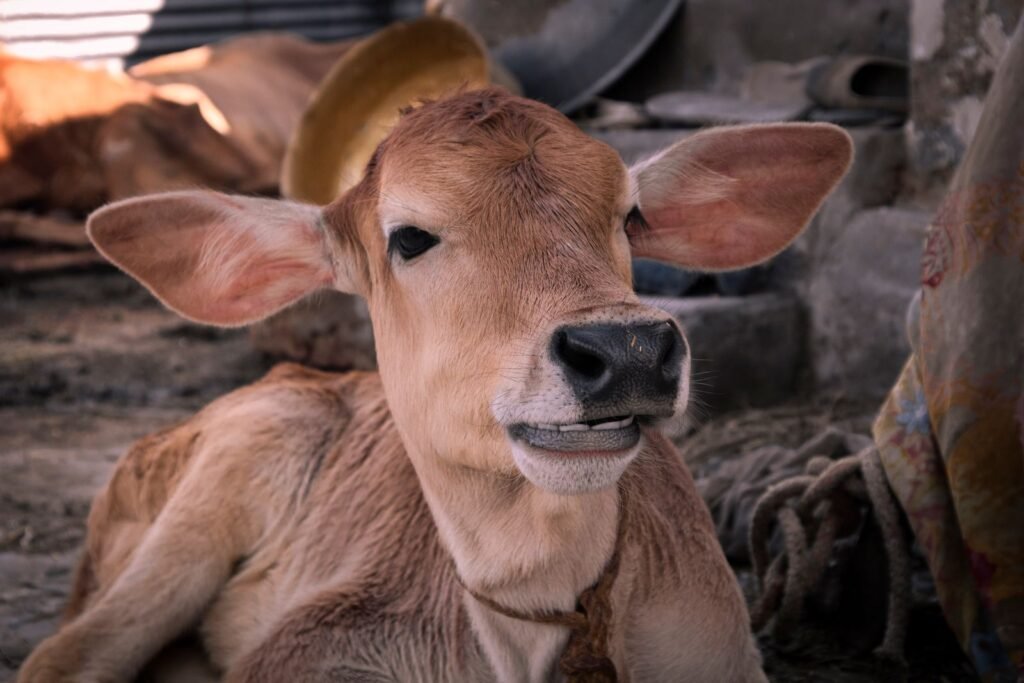
Gallsickness (anaplasmosis) is another of the tick-borne cattle diseases. It is caused by Anaplasma marginale and often turns up in the same areas as redwater. It spreads through ticks, but also through biting flies, mosquitoes and contaminated needles or ear-notching equipment, so its range is wider than redwater’s.
According to MSD Animal Health, signs include fever, depression, poor appetite, weight loss, pale and then yellow gums and eyes, a stopped rumen and constipation. Dairy cows drop in milk and pregnant cows may abort. Age matters a great deal: animals under a year old rarely show signs, cattle of one to two years get moderately ill, and older cattle get severe disease that is often fatal.
Treatment can save the animal, but recovered cattle stay carriers for life. That is why the usual advice is to vaccinate calves under six months old if they cannot be naturally exposed while still protected by their mother’s immunity. Use a clean needle for every animal, especially when vaccinating or treating a whole herd.
4. Heartwater and Other Tick-Borne Cattle Diseases
Heartwater, spread by the bont tick, affects cattle as well as sheep and goats, mainly in the bushveld and eastern parts of the country. Signs include high fever, nervous signs such as high-stepping, circling and convulsions, and sudden death. Early treatment with oxytetracycline can save animals, and vaccination is available. Our guide to goat diseases covers heartwater in more detail.
The common thread with all tick-borne diseases is a balanced tick programme. Many farmers in tick areas aim to keep tick numbers down rather than at zero, so that calves build natural immunity while young. Use dips or pour-ons correctly, rotate chemical groups as your vet advises to slow resistance, and know which diseases your ticks carry. Adapted breeds also help. Bonsmara, Brahman and Nguni cattle cope with ticks far better than most European breeds.
5. Lumpy Skin Disease
Lumpy skin disease is one of the cattle diseases that flares up in wet years. It is a pox virus spread mainly by biting insects such as flies, mosquitoes and ticks, and also through shared water and feed troughs. According to Food For Mzansi, cattle develop firm skin nodules of one to five centimetres, sometimes hundreds of them, along with fever, loss of appetite and nasal discharge. Few cattle die, but the losses in weight, milk, fertility and damaged hides are large, and nodules in the throat and lungs can lead to pneumonia.
Lumpy skin disease is most common in the wet summer and autumn months, so the advice is to vaccinate every year before the spring rains. Immunity starts about ten days after vaccination, and most animals are protected within three weeks. It is a notifiable disease, so tell your vet if you suspect it.
6. Brucellosis and Bovine TB
Brucellosis is one of the cattle diseases that can also make people sick. It is a bacterial disease that causes abortions, retained afterbirths and infertility, and it can infect people through raw milk and soft cheese from infected cows, and through contact with aborted material. It is a controlled disease under the Animal Diseases Act.
According to Farmer’s Weekly, all heifers between four and eight months old should be vaccinated with S19, while cows that test negative can be given RB51. When infection is found, the whole herd is quarantined, infected animals are branded and removed, and the rest of the herd is tested repeatedly until it is clear. Always wear gloves when handling aborted calves and afterbirths, and do not drink raw milk from untested cows.
Bovine tuberculosis is also a controlled disease that can spread to people. It causes slow weight loss and is usually picked up by testing rather than by obvious signs. Buy cattle from tested herds and ask your vet about testing your own.
7. Botulism and the Clostridial Diseases
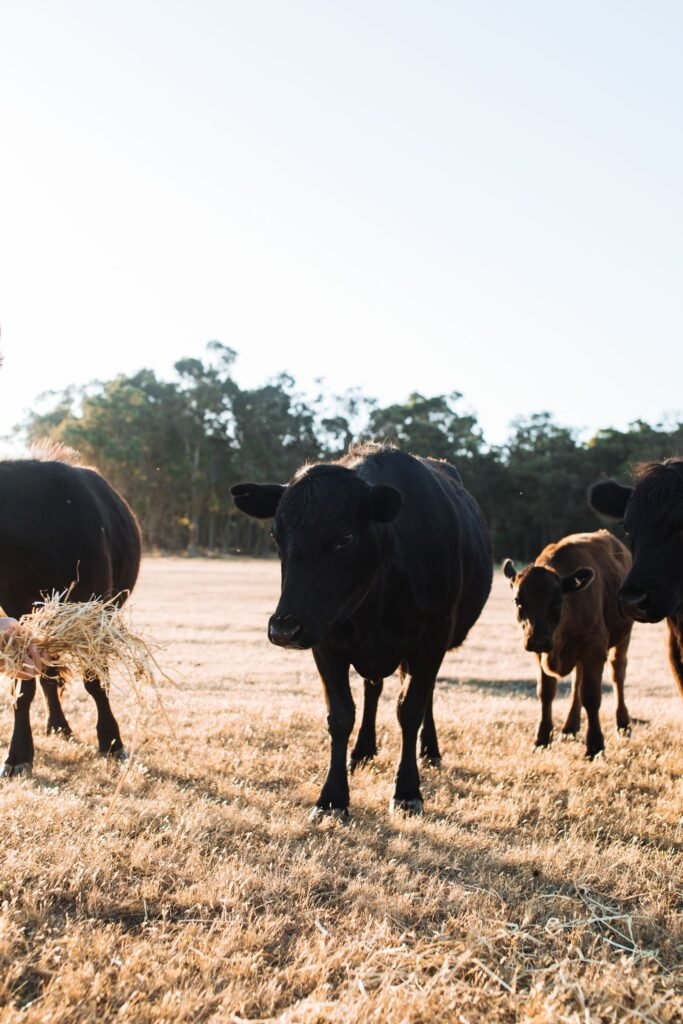
Botulism, known in South Africa as lamsiekte, has a long history here. As far back as the 1880s, farmers linked it to phosphorus-poor veld, and a field trial in 1895 found that cattle given generous bonemeal did not get the disease, according to a historical review in the Journal of the South African Veterinary Association. Sir Arnold Theiler later showed that phosphorus-hungry cattle chew bones and rotting carcass material, and swallow the toxin from it. Phosphate licks, covered in our guide to feeding cattle, help reduce bone chewing, alongside vaccination.
That history still points to the three main defences:
- Feed a phosphate lick where your veld is phosphorus-deficient, so cattle do not crave bones.
- Remove and burn or bury carcasses and bones from camps.
- Vaccinate against botulism, especially in high-risk areas and in drought.
The other clostridial cattle diseases, such as black quarter (sponssiekte) and pulpy kidney, also kill quickly, often taking the best young cattle. They are prevented with clostridial vaccines given to calves and boosted as your vet advises.
8. Calf Diseases
Calves are most at risk from cattle diseases in their first few weeks. The two biggest problems are:
- Calf scours. Diarrhoea from bacteria, viruses or parasites quickly dehydrates young calves. Clean, dry calving camps, good colostrum and early electrolytes save most of them.
- Pneumonia. Cold, wet weather, dust, crowding and stress at weaning or transport all raise the risk. Look for coughing, fast breathing, a runny nose and calves that stop drinking.
The single most important step is making sure every calf drinks enough colostrum in its first hours of life. Colostrum carries the antibodies that protect calves against many diseases until their own immunity and vaccinations take over. For more on calf care and weaning, see our guide to cattle farming in South Africa.
A Simple Programme to Prevent Cattle Diseases
Every farm is different, so plan your programme with your vet. As a starting point, most South African cattle farmers build their year around these steps:
- Calves: colostrum at birth, clostridial vaccines, redwater and gallsickness vaccination where needed, and brucellosis vaccination of heifers at four to eight months.
- Before the rains: lumpy skin disease vaccination for the whole herd, and a check of your tick and fly programme.
- Before mating: booster vaccinations as advised by your vet, and breeding soundness tests on bulls.
- All year: phosphate lick where needed, carcass removal, FMD rules and vaccination as required in your area, and records of every treatment and death.
Keeping Cattle Diseases Off Your Farm
Many outbreaks of cattle diseases start with new cattle. Before you buy:
- Ask for the vaccination history, including brucellosis, and for recent test results.
- Check that the cattle come with the right health declaration and movement paperwork for your area, especially under the current FMD rules.
- Find out whether the cattle come from a tick area. Cattle moving from tick-free areas into redwater or heartwater areas need a plan with your vet.
- Keep new cattle apart for at least 28 days, watch them closely and check feet, mouths and skin.
Our guide to buying livestock in South Africa covers the paperwork and payment checks. For other species, see our guides to sheep diseases and pig diseases.
Frequently Asked Questions
What are the most common cattle diseases in South Africa?
Foot-and-mouth disease, redwater, gallsickness, heartwater, lumpy skin disease, brucellosis, botulism and calf scours are among the most important. Which ones matter most depends on your area, ticks, rainfall and veld.
What is the difference between redwater and gallsickness?
Redwater is caused by Babesia and often causes red urine and a very high fever. Gallsickness is caused by Anaplasma, does not cause red urine, and shows as yellow gums, constipation and weakness, mostly in older cattle. Both are spread by ticks and need early treatment.
When should I vaccinate my cattle against lumpy skin disease?
Once a year, before the spring rains, when biting insects increase. Most cattle are protected within about three weeks of vaccination.
Is brucellosis vaccination compulsory?
Brucellosis is a controlled disease, and heifers between four and eight months old should be vaccinated with S19. Check the current requirements for your area with your state vet.
What should I do if I suspect foot-and-mouth disease?
Stop all movement of animals on and off the farm and report it to your state vet immediately. Do not sell or move any cattle until you are cleared.
Why do cattle chew bones?
Bone chewing is usually a sign of phosphorus deficiency. It is dangerous because cattle can swallow botulism toxin from old bones and carcass material. A phosphate lick and carcass removal reduce the risk.
Can people catch diseases from cattle?
Yes. Brucellosis and bovine TB can both infect people, mainly through raw milk and contact with infected material. Use gloves and drink only pasteurised milk.
Final Thoughts
Most cattle diseases in South Africa follow the seasons and your veld: ticks and lumpy skin in the rains, botulism where phosphorus is short, and FMD wherever cattle move without controls. A sound vaccination plan, a balanced tick programme, good licks and careful buying will prevent most of the losses that hurt cattle farms. If you are building or restocking a herd, have a look at our Bonsmara cattle for sale and Nguni cattle for sale, or send us your requirements and we will get back to you with a written quote, including delivery to your farm.
Looking to buy cattle?
Tell us the breed, age group, quantity and delivery area. We reply with availability, pricing and transport costs, usually within one working day.
DRM LIVE STOCK is a registered South African livestock company (Company No. K2023207798, VAT No. 4640323079) based at 135 Rocklands Rd, Uitenhage Farms, Gqeberha. We supply cattle, goats, sheep and pigs, with delivery across South Africa.