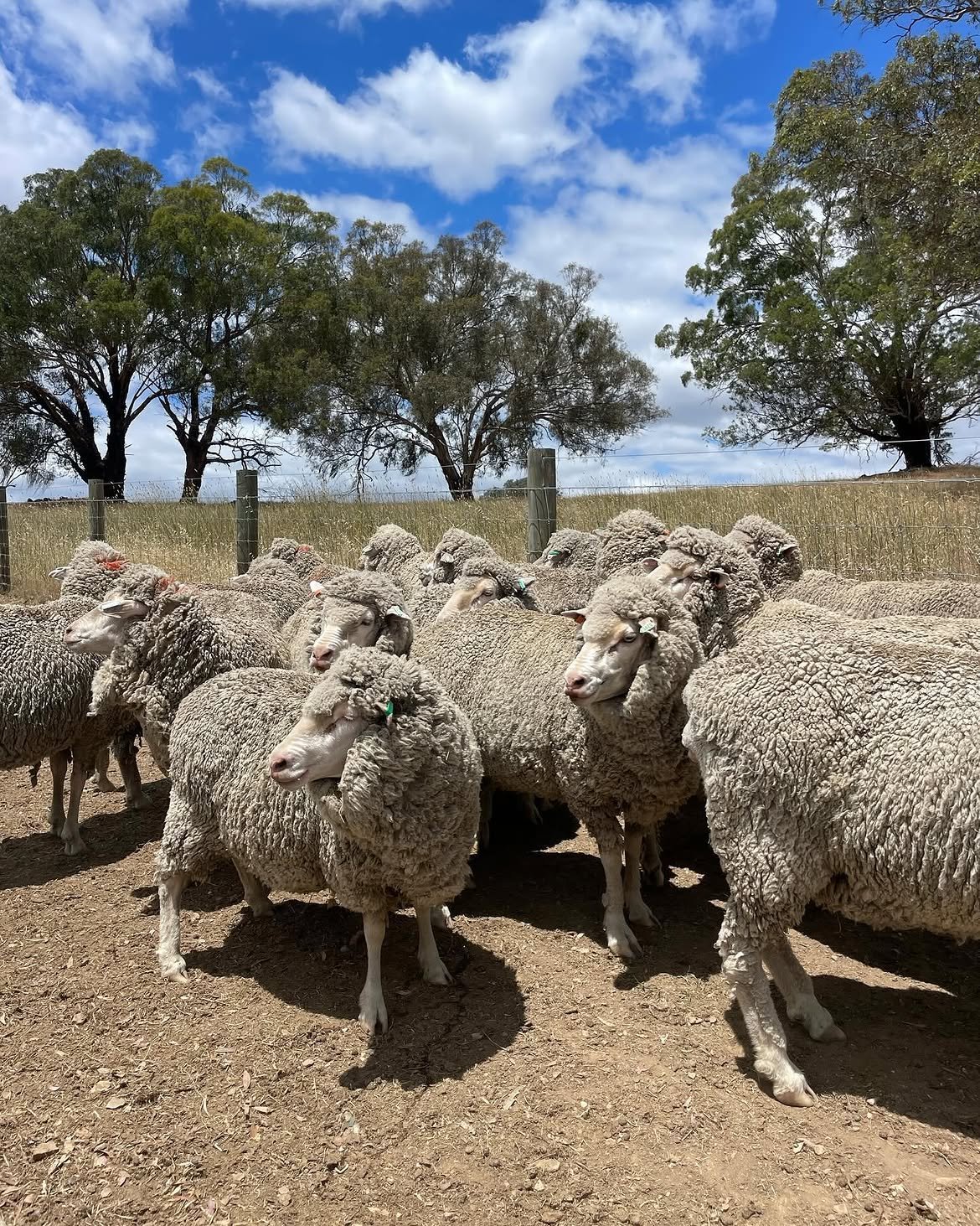
Ask an old farmer what sustainable livestock farming means and he probably won’t use the word. He’ll tell you to look after your grass, keep your numbers down, and never go into a dry winter without a plan. In South Africa, that is what it comes down to. Our rain is low and unreliable, droughts come round again and again, and veld that is hammered in one bad year can take ten years to come back.
The farms that are still carrying good animals after three generations are almost always the ones that treated the veld as their main asset and the animals as the way to harvest it. This guide covers the practical habits that get you there: stocking to what the land can carry, resting veld, planning for drought, choosing adapted animals, keeping them healthy and writing things down. None of it needs expensive technology. It needs planning and the discipline to stick to it.
What Sustainable Livestock Farming Means on a South African Farm
Forget the buzzwords. On a working farm, sustainability rests on three things:
- Healthy veld: good grasses and enough plant cover that the land keeps producing feed year after year.
- Productive, adapted animals: stock that suit the environment, hold condition and breed regularly without being propped up by expensive inputs.
- A farm that survives bad years: enough feed, water and cash in reserve to get through drought, disease and price drops without selling the breeding herd at a loss.
When those three are in balance, the farm usually makes more money too, because feed bills, deaths and forced sales are lower. Sustainable livestock farming is not a cost. Done properly, it is the cheapest way to farm.
Grazing Capacity and Stocking Rate
Two terms sit at the heart of it:
- Grazing capacity is how many animals your veld can carry over the long run without going backwards. It is expressed in hectares per large stock unit (LSU). One LSU is roughly one mature cow, or about six sheep or goats.
- Stocking rate is how many animals you actually run.
The rule is simple: keep the stocking rate at or below the grazing capacity. When you run more, the best grasses are bitten off again and again before they can recover. They weaken and die out, bare patches open up, and less palatable grasses and bush move in. Condition drops, and you start buying feed to make up for grass that should have been there.
The Department of Agriculture publishes long-term grazing capacity norms for every part of the country, and your local extension officer can give you the figure for your farm. Treat it as a starting point, not a promise. After the recent droughts, research on farms in the Nama-Karoo found actual grazing capacity well below the official norm in some areas. Your own veld, your rain and your records will tell you the real number.
Know Your Grasses
The best early warning system on any farm is knowing which plants are good and watching which way they are going. Rangeland scientists group grasses by how they react to grazing:
- Decreasers are the valuable, palatable grasses that dominate good veld and disappear when it is overgrazed. In much of the summer-rainfall grassland, rooigras (red grass, Themeda triandra) is the classic example.
- Increasers are grasses that become more common as veld is overgrazed or under-used. A camp where these are taking over is sending you a message.
In the Karoo, the same principle applies to the palatable Karoo bushes: when the good ones thin out and the unpalatable ones spread, the stocking rate is too high. Ask your extension officer or a neighbour who knows the veld to walk a camp with you and point out the key plants for your area. It is one of the most useful mornings you will ever spend.
Rotational Grazing and Resting Veld
Rotational grazing means dividing the farm into camps and moving animals through them, so each camp gets time to recover after it has been grazed. Compared with animals running over the whole farm all year, it gives the good grasses a chance to regrow, set seed and rebuild their roots.
A practical starting point, often recommended by South African rangeland scientists, is a four-camp system. Animals rotate through three camps while the fourth is rested for the full growing season, roughly November to January in summer-rainfall areas. The rested camp then gives good standing grazing for winter or for animals that need it most. Each year a different camp gets the rest, so over four years every camp has had a full season off.
Making it work in practice:
- Plan camps around water, so every camp has a reliable water point.
- Move animals by what the grass looks like, not only by the calendar. A useful rule of thumb is “take half, leave half”: move them before the good grasses are grazed down to the ground.
- Watch for warning signs: bare patches, trampled ground around troughs and a rise in unpalatable plants.
- Have the veld condition assessed every few years and adjust camp sizes and numbers to match.
Planning for Drought
Drought in South Africa is not a surprise. It is a certainty that arrives on an unknown date. The farmers who come through best are the ones who decided what they would do before the rain stopped.
Destock early
The single most effective drought decision is to reduce numbers early, while animals are still in good condition and prices are still reasonable. Sell old, unproductive and non-breeding animals first, and protect your best breeding females and bulls or rams. Waiting too long means selling thin animals into a market flooded with everyone else’s.
Build a fodder reserve in good years
Rested camps, baled surplus grass and stored hay are drought insurance. Buying feed in the middle of a drought is expensive, and sometimes you cannot get it at any price.
Set your trigger points
Decide in advance what will make you act: a date by which good rain must have fallen, or a minimum amount of grass left in your reserve camp. Written-down trigger points take emotion out of hard decisions, which is exactly when you need them.
Protect the veld after the rain
Veld is most vulnerable during drought and in the first season after it breaks. The first green flush looks like recovery, but the grass plants are weak. Resist restocking heavily straight away, and give the veld a growing season to get its strength back.
Supplementary Feeding Without Damaging the Veld
In winter and dry spells, veld grass loses much of its protein, and animals often need a lick to hold condition, especially pregnant and suckling females. Used well, a protein lick helps animals digest the dry grass that is there. Used badly, it hides an overstocking problem until the veld is badly damaged.
- Supplement, don’t replace. A lick helps animals use dry grass. It is not a substitute for grazing on veld that has run out.
- Get the right lick. It depends on your area, the season and the animals. Your feed supplier, extension officer or vet can help.
- Move lick and feed points. Animals gather where they are fed, so moving troughs spreads the grazing pressure and prevents bare patches.
- Treat heavy feeding as a warning. If you are buying large amounts of feed every single year, your stocking rate is probably too high.
Water
- Service boreholes, pumps, pipes and troughs regularly, and fix leaks quickly.
- Keep enough storage to carry animals through a breakdown or a heat wave.
- Spread water points across the farm, so animals do not overgraze and trample the ground around one source.
- Where you can, keep animals out of rivers and wetlands to protect the banks and the water.
- Check borehole levels in dry years and have a plan for when one fails.
Choose Animals Adapted to Your Veld
One of the most sustainable decisions you can make is to farm animals that suit your conditions. Adapted breeds need fewer inputs, handle heat, ticks and poor seasons better, and keep breeding when things get tough.
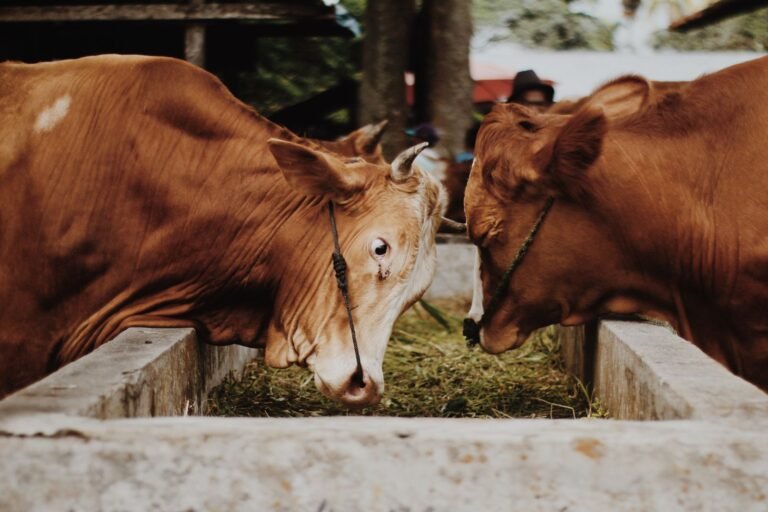
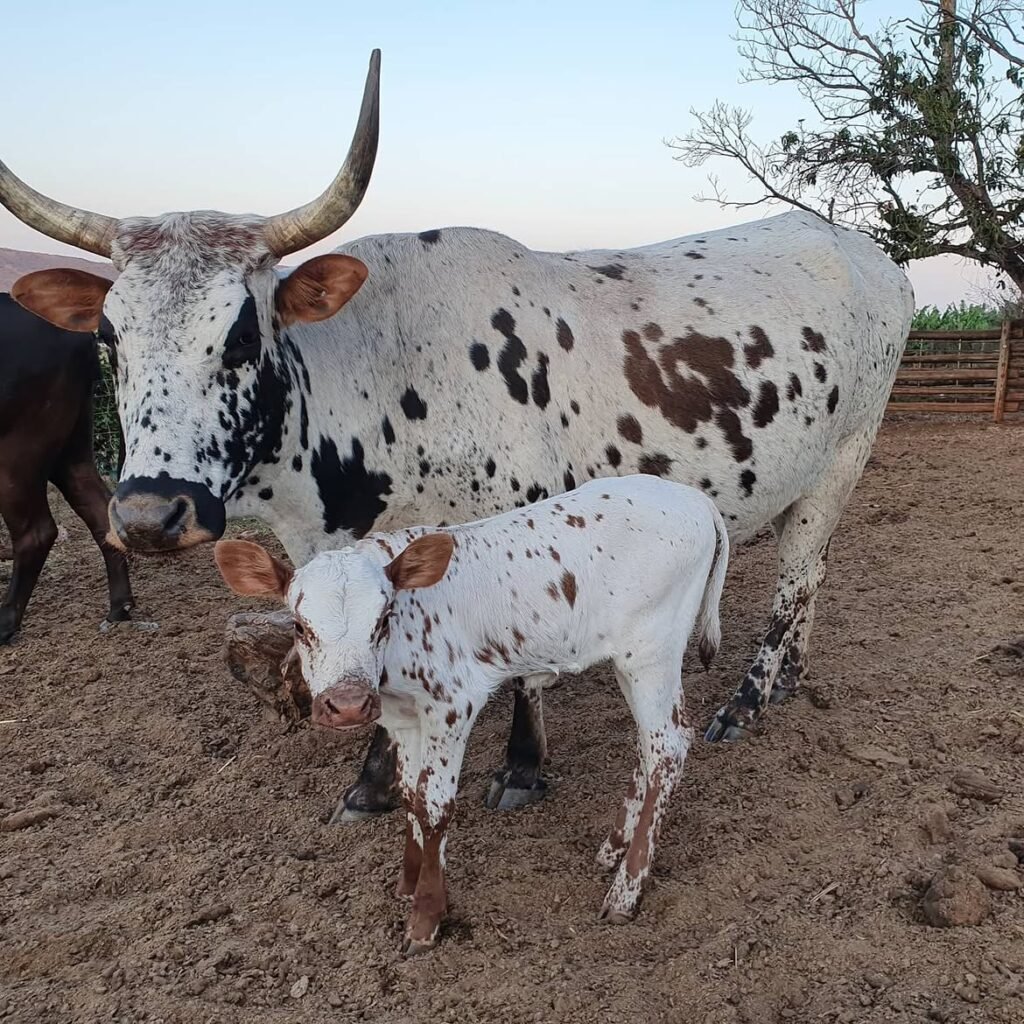
- Cattle: the indigenous Nguni is hardy, tick-resistant and fertile on natural veld. The Bonsmara was developed here for our conditions, and the Brahman handles hot areas well.
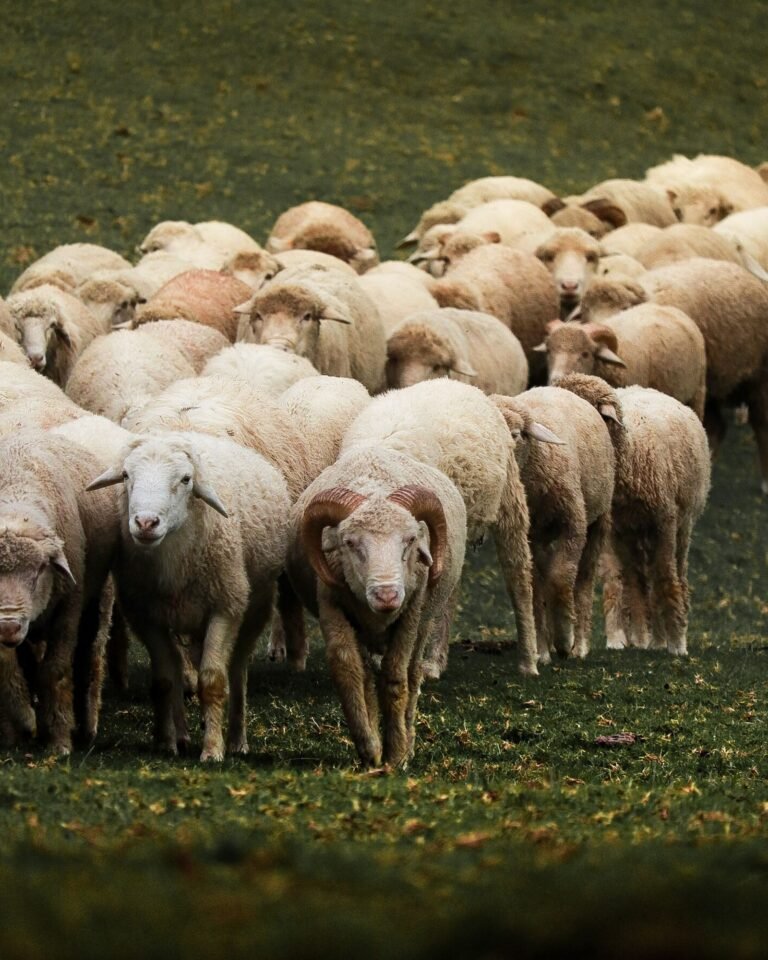
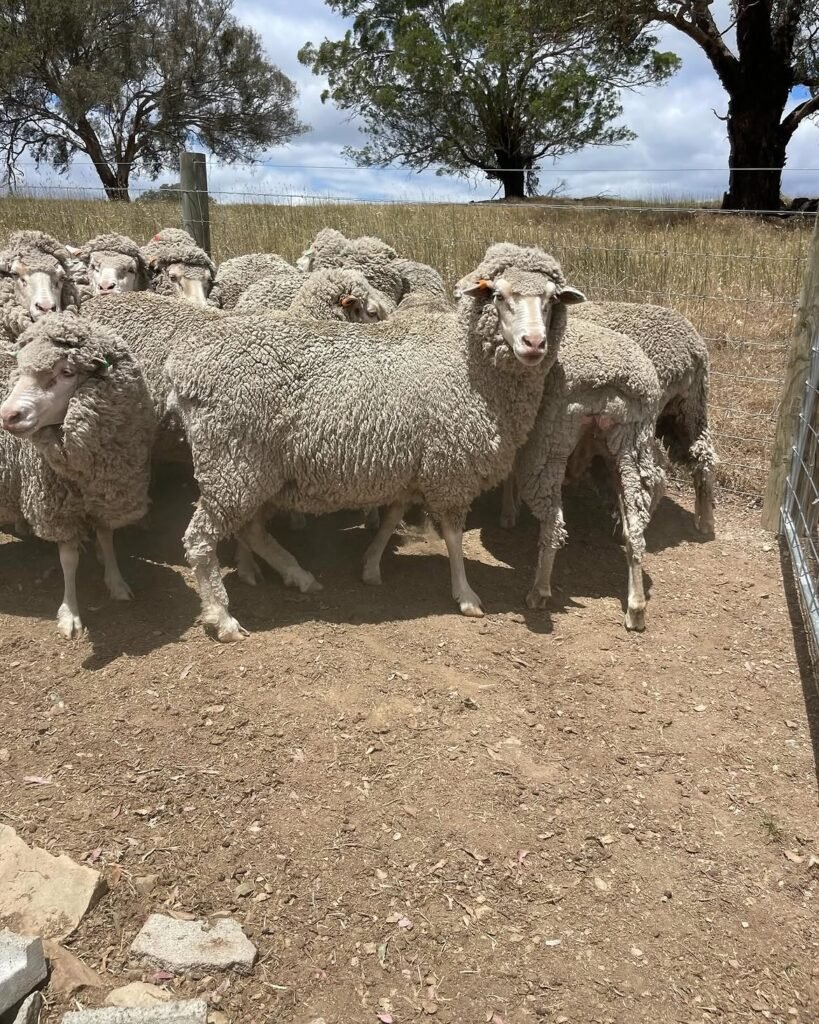
- Sheep: the Dorper and Meatmaster are South African hair sheep bred to produce meat in difficult conditions.
- Goats: the Boer goat, Kalahari Red and Savanna are hardy meat goats that browse the bush other stock leave.
Adapted breeds still need good management, but starting with the right animal makes everything else easier. Browse the breeds we supply.
Mixed Grazing
Cattle, sheep and goats eat different parts of the veld. Cattle take the taller grass, sheep graze shorter grass and small plants, and goats browse shrubs and trees. Running them together, or one after the other through the same camps, uses more of what the veld produces and helps hold back bush encroachment. It also spreads your risk, because a disease or price drop seldom hits every species at once. It does take more management, so start carefully and always count your total LSUs across all species.
Animal Health and Biosecurity
A disease outbreak can undo years of good work, through deaths and through movement restrictions that stop you selling. Good biosecurity protects your animals and your neighbours’.
- Quarantine new animals for at least 28 days before they join the herd or flock.
- Buy from traceable sources, with the correct marks, identification and movement documents.
- Follow a vaccination and parasite programme agreed with your vet. Vaccinating heifers against brucellosis is compulsory by law.
- Dose for worms on need, not by habit. Blanket dosing breeds resistant worms, and once they are resistant, your remedies stop working.
- Control visitors and vehicles, especially around pigs.
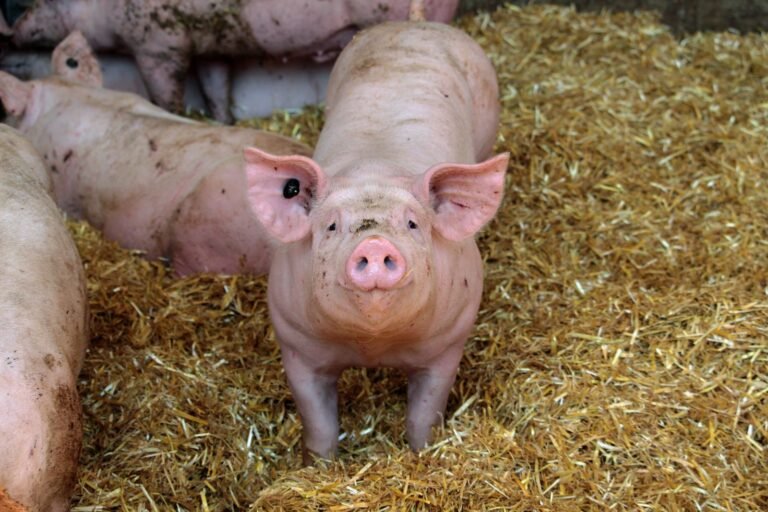
- Never feed pigs swill containing pork, which can spread African swine fever.
- Follow foot-and-mouth movement rules and report suspected notifiable diseases to your state vet straight away.
Our guide to livestock farming in South Africa covers identification and movement rules in more detail.
Manure, Soil and Nutrients
Manure is a resource. On well-managed veld, animals spread dung and urine across the camps and return nutrients to the soil. Around kraals, pens and piggeries it builds up quickly and needs managing.
- Compost kraal and pen manure and use it on crops, gardens or pastures.
- Keep manure heaps and pig effluent away from boreholes, rivers and dams.
- Move night kraals from time to time, or place them deliberately on bare patches to kick-start plant cover.
Bush Encroachment and Erosion
In many parts of the country, bush thickening is quietly shrinking the grazing. Overgrazing makes it worse, because weak grass cannot compete with young bushes. Goats help keep bush in check, and targeted clearing followed by proper rest can bring grazing back. Where gullies have formed, deal with the cause, usually overgrazing or water running off roads and paths, and rest the area so plant cover can return.
Low-Stress Handling and Welfare
Calm animals are productive animals. Stress cuts feed intake, weight gain and fertility, and rough handling causes bruising that costs money at sale and slaughter.
- Work animals quietly, without unnecessary shouting, sticks or prodders.
- Build handling facilities so animals flow easily, with solid sides where possible and no sharp edges.
- Provide shade, shelter and clean water, especially in heat and at lambing, kidding or calving.
- Transport at sensible densities, and never load animals that are sick, injured or too heavily pregnant to travel.
- Treat sick or injured animals promptly, and ask your vet about pain relief for procedures such as castration.
Records and Simple Veld Monitoring
You cannot manage what you do not measure. Keep simple records of:
- animal numbers per camp and the dates they went in and out
- rainfall on your own farm
- births, deaths, weaning weights and sales
- vaccinations, dosing and treatments
- feed bought and fed
And watch the veld itself:
- Fixed photo points. Put a pole in a few spots in each camp and photograph the same view at the same time each year. After a few years the photos tell the story better than any report.
- Check the soil surface. Bare, capped soil and small gullies mean water is running off instead of soaking in.
- Look at what is left, not what was eaten. Leaving enough cover protects the soil and helps the grass bounce back faster.
- Compare with your rain gauge, so you can tell whether a poor season came from the weather or from grazing pressure.
Where to Get Help
- Provincial Department of Agriculture extension officers for grazing capacity, veld assessments and support programmes.
- The Agricultural Research Council for research on livestock and rangeland management.
- Local vets and state veterinary offices for health programmes, disease control and movement permits.
- Breed societies for breed standards and performance recording.
- Study groups and neighbours, who often have the most useful local knowledge of all.
Frequently Asked Questions
What is sustainable livestock farming?
It is farming livestock in a way that keeps the veld, water and animals productive over the long term. In South Africa that mainly means stocking within grazing capacity, resting veld, planning for drought, using adapted breeds and preventing disease.
How do I know how many animals my farm can carry?
Start with the official grazing capacity norm for your area from your extension officer, then adjust it to your actual veld condition and rainfall. Records of grazing and animal condition over several seasons will show you the real figure.
Does rotational grazing work in South Africa?
Yes, when it is well planned. Dividing the farm into camps and giving each camp a full growing-season rest in turn helps the good grasses recover and provides reserve grazing for winter. A four-camp system is a practical starting point for many farms.
What should I do when drought starts?
Act early. Reduce numbers while animals are still in good condition, starting with old and non-breeding stock, protect your best breeding animals, and draw on the fodder reserves you built in good years. Set your trigger points before the drought arrives.
Which livestock breeds are most drought tolerant?
Breeds adapted to South African conditions, such as Nguni and Bonsmara cattle, Dorper and Meatmaster sheep, and Boer, Kalahari Red and Savanna goats, generally cope better with heat and dry seasons than breeds developed for cooler, wetter climates.
Is sustainable farming more expensive?
Extra fencing and water points cost money upfront. Over time, sustainable livestock farming usually costs less, because it cuts feed bills, deaths and forced sales in bad years.
Final Thoughts
Sustainable livestock farming in South Africa comes down to a handful of steady habits: keep numbers within what the land can carry, rest your veld, decide your drought plan before you need it, farm animals that suit your area, keep them healthy and write things down. Farms built on those habits handle bad years better and are usually more profitable in the good ones.
If you are looking for hardy, adapted animals to build your herd or flock, request a quote and we will send current availability, prices and delivery costs.
Looking to buy livestock?
Tell us the breed, age group, quantity and delivery area. We reply with availability, pricing and transport costs, usually within one working day.
DRM LIVE STOCK is a registered South African livestock company (Company No. K2023207798, VAT No. 4640323079) based at 135 Rocklands Rd, Uitenhage Farms, Gqeberha. We supply cattle, goats, sheep and pigs, with delivery across South Africa.