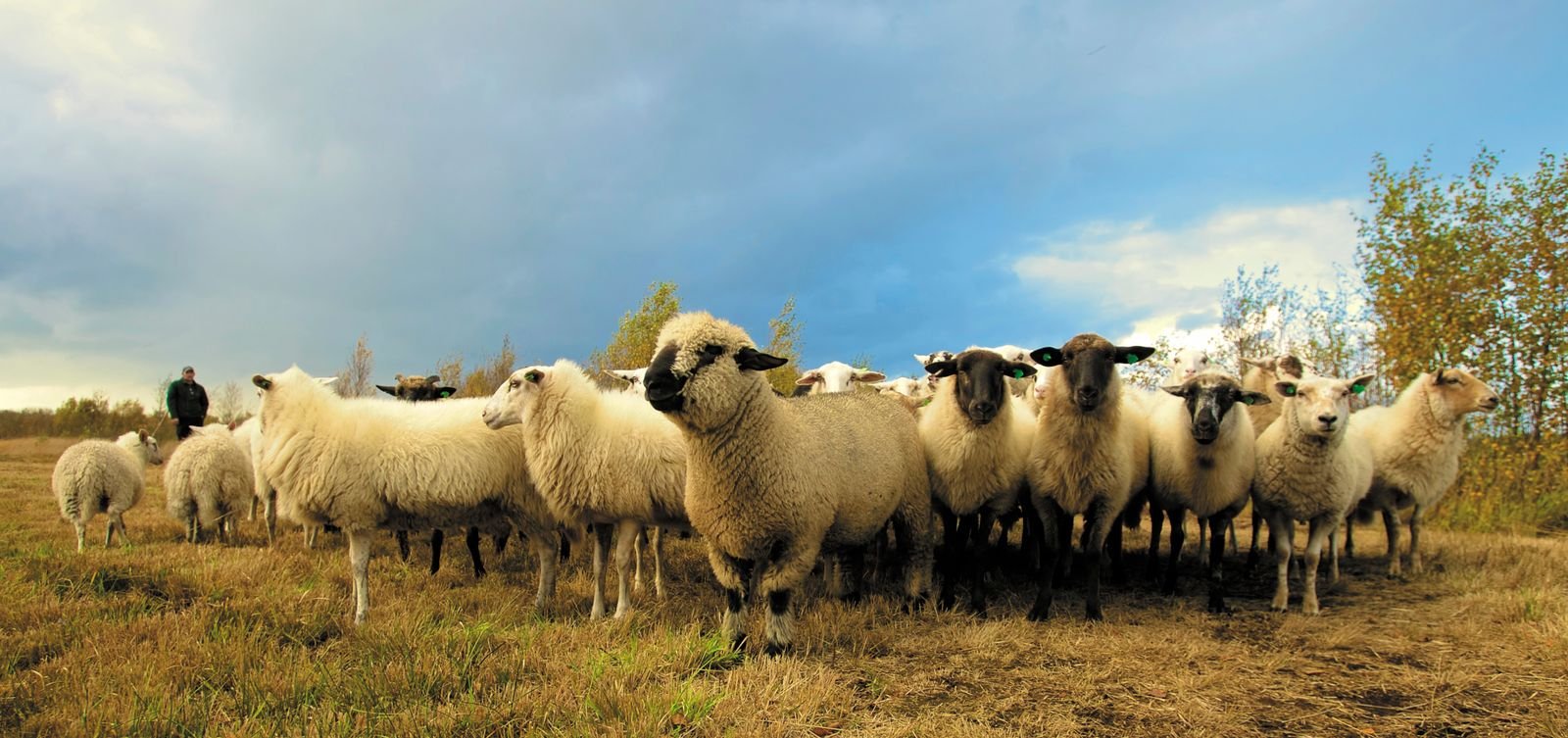
Merino sheep built the South African wool industry, and more than two centuries after the first ones landed at the Cape, they still carry it. Most of the wool sold on South African auctions comes off Merino backs, and a good Merino ewe earns twice: once from her fleece and again from her lamb. With wool prices climbing strongly in the 2025/26 season, many farmers are taking a fresh look at the breed.
This guide covers what you need to know about Merino sheep in South Africa: where the breed came from, the state of the wool market, fleece weight and fineness, lambs and meat, how the Merino compares with its relatives, how to manage and shear a Merino flock, and what to check before you buy rams or ewes.
Merino Sheep at a Glance
| Trait | Merino |
|---|---|
| In South Africa since | 1789 |
| Breed society | Merino South Africa, established in 1937 |
| Main product | Fine white wool, with lambs as a second income |
| Clean fleece weight | About 3.9 kg per ewe in one South African trial |
| Fibre diameter | National clip averages about 19 micron |
| Ewe mating weight | About 61 kg in the same trial |
| Shearing interval | Commonly every 6 to 8 months |
Fleece and body weights vary widely between flocks, bloodlines and veld, so use these as reference points and judge each flock on its own records.
1. Where South African Merinos Come From
The Merino is originally Spanish. In 1789, the Dutch government gave two Spanish Merino rams and four ewes to Colonel Jacob Gordon, the military commander at the Cape, according to Merino South Africa. Wool farming spread through the Western Cape by the 1830s and moved east and north with the settlers.
Later breeders brought in new bloodlines. American Vermont-type Merinos arrived from 1891, but Australian Wanganella and Peppin types proved better suited to local veld. South African breeders built their own type from these lines, and Merino South Africa was founded in 1937 to look after the breed.
The result is a sheep that differs from many Australian Merinos. South African Merinos are generally plainer-bodied and bred to produce a good lamb as well as a good fleece, which suits a country where meat prices matter as much as wool prices.
2. Merino Sheep and the South African Wool Industry
South Africa is a small player in world wool, but a big one in Merino. A March 2026 Daily Maverick report put the country’s share at about 2.4% of global wool supply, around 40 million kg in the previous season, and described South Africa as the second-largest producer of Merino wool in the world. Wool exports were worth about R4.5 billion in 2024/25, with most of the clip going to China and finer wool to Europe.
According to an August 2026 analysis of the South African clip by Elders, Merino wool makes up around 70% of the South African clip on a greasy basis, and the average fibre diameter is about 19.2 micron. The same report counts about 8,000 commercial farmers selling at auction and around 40,000 communal farmers, most with fewer than ten sheep.
Two things give South African Merino wool an edge with buyers:
- No mulesing. Elders notes that flystrike is not the problem in South Africa that it is in Australia, so South African Merinos are not mulesed. Many European brands now insist on non-mulesed wool.
- Certification. About half of the South African Merino clip is accredited under the Responsible Wool Standard, according to Elders, which opens doors with brands that need certified wool.
3. Merino Wool: Fleece Weight, Fineness and Price
Wool income comes down to three things: how much clean wool each sheep grows, how fine it is, and what the market pays on the day you sell.
For a South African reference point, Merino ewes in a long-running trial on the Langgewens research farm near Malmesbury, run from 2007 to 2014, produced about 3.9 kg of clean wool each, at a fibre diameter of about 21.6 micron and a clean yield of about 70%, according to Cloete and Cloete. Many stud and commercial flocks run finer than that today.
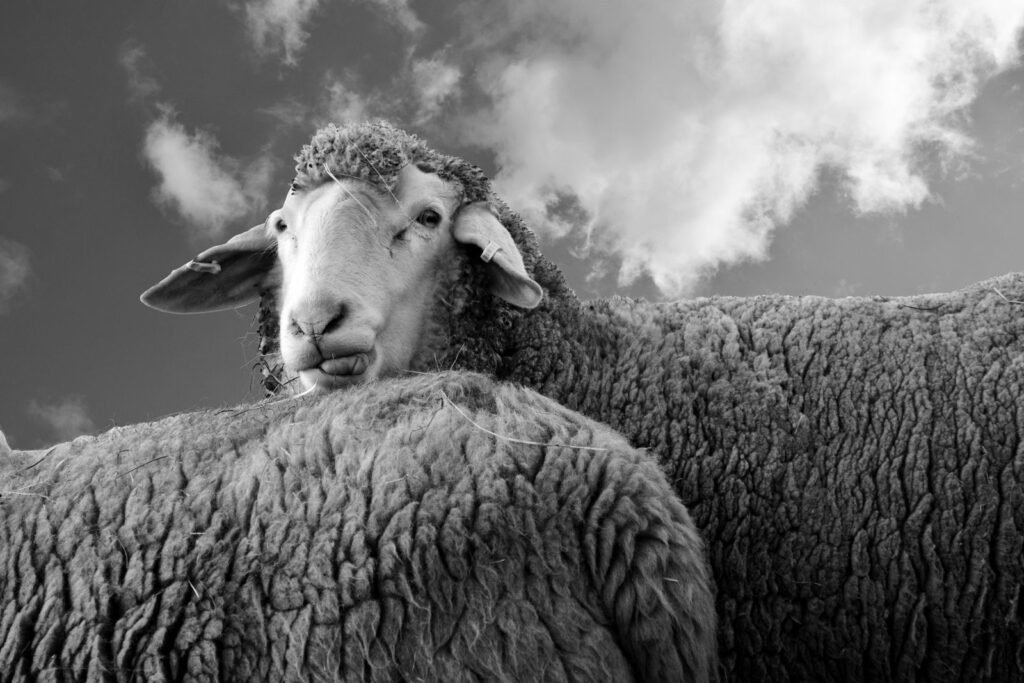
Fineness pays. At the Cape Wools sale of 17 September 2026, the Merino market indicator stood at R259.63/kg clean, wools of 18.5 micron and finer earned premiums of about 15% over 19 to 21 micron lots, and the top price was R367.94/kg clean for 15.8 micron Merino wool, according to AgriOrbit. Daily Maverick reported that prices had risen by more than 40% over the 2025/26 season, to levels last seen in 2018.
As a rough illustration only, a ewe clipping 3.9 kg of clean wool at about R250/kg clean would earn close to R1,000 a year from wool before shearing, classing, transport and broker costs. Your own figure depends on fleece weight, micron, yield, style and the market on sale day.
To get the best price for your clip:
- Have your wool classed properly, and keep bellies, pieces and stained wool out of the main lines.
- Keep contamination out. Plastic twine, feed bags and vegetable matter in the fleece cost you money.
- Test your rams and keep records of fleece weight and micron so you can breed in the right direction.
4. Merino Lambs and Meat
South African Merino sheep are not wool-only sheep. In the Langgewens trial, Merino ewes weighed about 61 kg at mating and had about 1.58 lambs born and 1.19 lambs weaned per ewe that lambed. That means a good flock can add a solid lamb income to the wool cheque. Our sheep breeding guide covers mating, scanning and lambing for any breed.
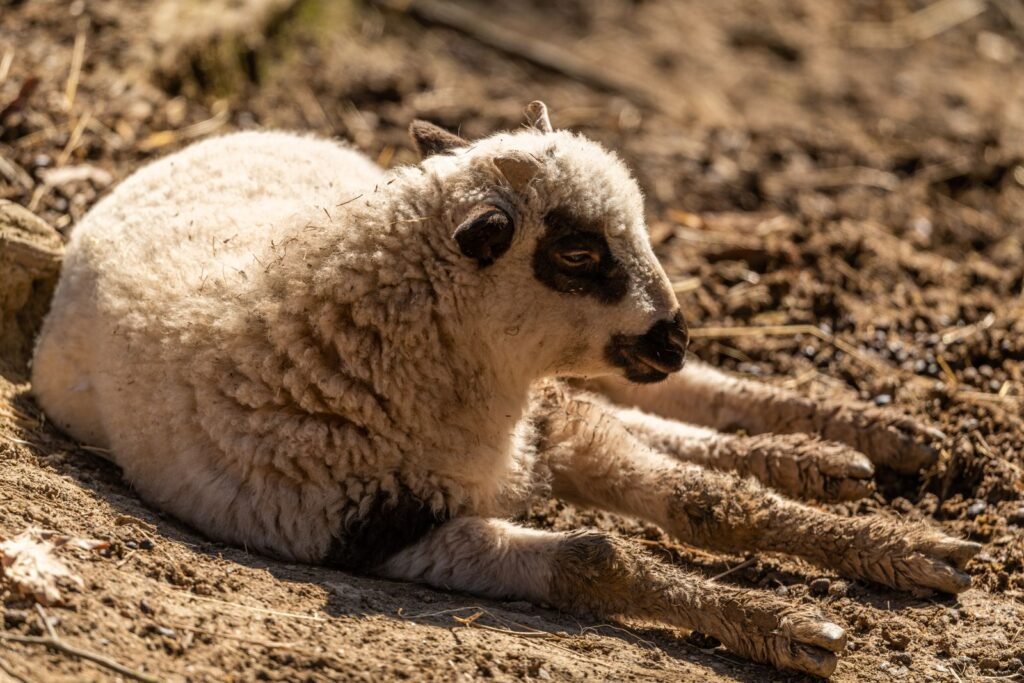
Merino lambs grow more slowly than those of meat breeds such as the Dorper or Meatmaster, and they carry less muscle, but they still finish well on good feed and sell into the same lamb market. Many farmers also cross some of their older Merino ewes with a meat ram to breed faster-growing slaughter lambs. For current lamb and mutton prices, see our guide to sheep prices in South Africa.
5. Merino, Dohne Merino or SA Mutton Merino?
Merino sheep in South Africa come in several related breeds, and it pays to know the difference before you buy.
- Merino: the wool specialist, selected first for fleece weight and fineness, with lambs as a second income.
- Dohne Merino: a dual-purpose breed developed at the Dohne Research Station near Stutterheim from 1939, by crossing German Mutton Merino rams with Merino ewes. In the Langgewens trial, Dohne ewes were heavier and weaned more kilograms of lamb, while the Merinos clipped more clean wool.
- SA Mutton Merino: a meat breed with a woolly fleece, bred mainly for fast-growing lambs, with wool well behind meat in importance.
Our comparison of Merino vs Dohne Merino sets out the trial figures side by side and explains which suits which kind of farm. For more on the breed itself, see our guide to Dohne Merino sheep.
6. Managing a Merino Flock
Merino sheep need more management than hair sheep, mostly because of the fleece. The basics:
- Shearing. According to Elders, South African farmers typically shear every six to eight months. Shorter intervals help keep fleeces clean and sound and reduce the risk of flystrike in wet seasons.
- Nutrition. A hungry or stressed sheep grows weak points in its wool, which lowers the price. Keep ewes in steady condition, especially in late pregnancy and lactation.
- Parasites. Wireworm and other worms, blowflies and lice all cost wool and condition. Sheep scab is a controlled disease that must be reported. Our guide to sheep diseases in South Africa covers prevention.
- Climate. Merino sheep do best in the drier, cooler sheep regions such as the Karoo, Free State, Eastern Cape and Western Cape. In hot, humid, high-rainfall areas with heavy fly pressure, a hair sheep such as the Dorper is often easier.
- Predators and theft. Jackals, caracal and stock theft hit sheep farms hard. Good fencing, kraaling at night where possible and regular counts all help.
7. Choosing Merino Sheep: Rams and Ewes
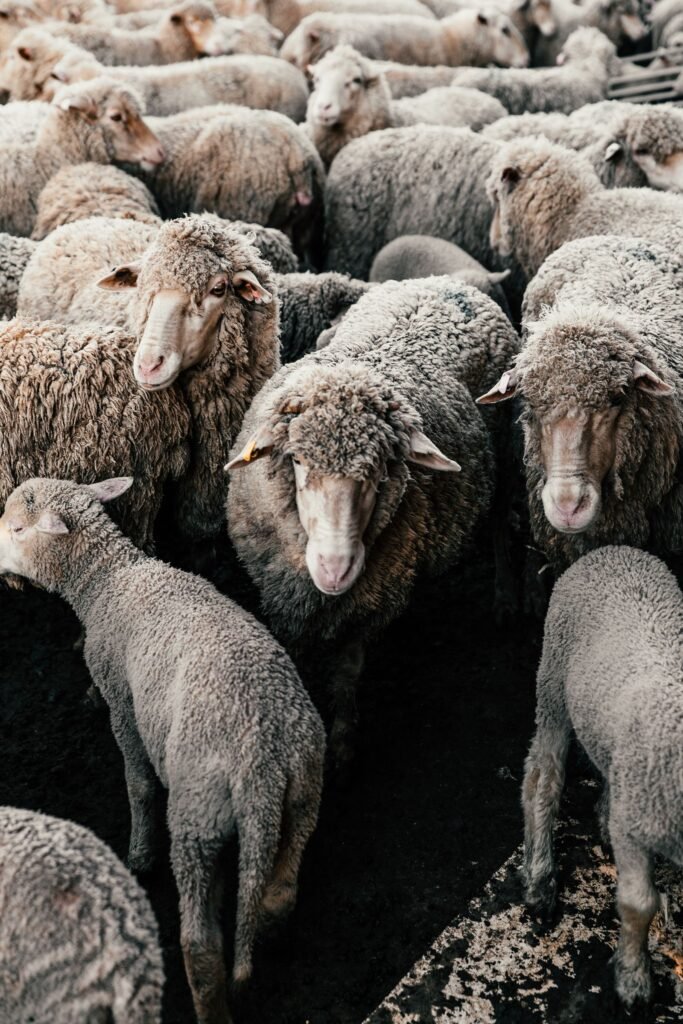
Your ram decides half the genetics of every lamb, so spend time and money on him. When you look at Merino rams:
- Ask for figures. Fleece test results for fibre diameter and clean fleece weight, body weight, and breeding values if the stud records them. Many leading Merino studs record extensively.
- Check the wool. Look for even fineness across the body, good staple length and bright, white wool with good crimp.
- Look for a plain body. Most modern South African breeders select against heavy skin folds, which make shearing harder and can attract flystrike.
- Check the face. Too much wool around the eyes can cause wool blindness, so an open face is better.
- Check the basics. Sound feet and legs, a correct mouth and well-formed testes.
For ewes, buy from a flock with good weaning percentages and fleece records, and avoid old ewes with broken mouths unless the price reflects it.
8. Merino Prices in 2026
Merino sheep are generally cheaper to buy than stud meat breeds. At the 51st Heuningkrans Merino production auction in the Smithfield district on 26 February 2026, 78 stud rams averaged R11,205 and the top ram sold for R58,000, while two-tooth stud ewes averaged R2,600 and two-tooth flock ewes R2,216, as reported by African Farming. Prices vary a lot between studs and regions, so treat these as a guide.
For wider market figures, including lamb and mutton prices, see our guide to sheep prices. Our guide to buying livestock in South Africa covers the paperwork and payment checks before you buy.
Frequently Asked Questions
When did Merino sheep come to South Africa?
The first Merinos arrived at the Cape in 1789, when the Dutch government gave two Spanish Merino rams and four ewes to Colonel Jacob Gordon.
How much wool does a Merino sheep produce?
It varies by flock and bloodline. In one South African trial, Merino ewes produced about 3.9 kg of clean wool each per year. Greasy fleece weights are higher, because raw wool contains grease, dirt and moisture.
How often are Merino sheep shorn in South Africa?
Most South African farmers shear every six to eight months, according to an industry analysis of the clip by Elders.
What is the price of Merino wool in South Africa?
At the Cape Wools sale on 17 September 2026, the Merino market indicator was R259.63/kg clean, and fine wools of 18.5 micron and finer earned about 15% more than 19 to 21 micron wool.
Are Merino sheep mulesed in South Africa?
No. Flystrike is less of a problem in South Africa than in Australia, so South African Merinos are not mulesed, which is an advantage with many international buyers.
Are Merino sheep good for meat?
South African Merinos are bred to produce a good lamb as well as wool, but they grow more slowly and carry less muscle than meat breeds such as the Dorper. Many farmers sell Merino lambs alongside their wool clip or cross older ewes with a meat ram.
What is the difference between a Merino and a Dohne Merino?
The Merino is a wool specialist. The Dohne Merino is a dual-purpose breed developed in the Eastern Cape from German Mutton Merino and Merino crosses, with heavier ewes and more lamb weaned per ewe, but less wool.
Final Thoughts
Merino sheep have been part of South African farming for more than 230 years, and with strong wool prices, non-mulesed wool and a growing share of certified clips, the breed is in a good place. A well-bred, well-managed Merino flock gives you two incomes from the same ewe, wool and lambs, and rewards careful ram selection and good wool handling. If you are building or adding to a flock, have a look at our Merino sheep for sale, or send us your requirements and we will get back to you with a written quote, including delivery to your farm.
Looking to buy sheep?
Tell us the breed, age group, quantity and delivery area. We reply with availability, pricing and transport costs, usually within one working day.
DRM LIVE STOCK is a registered South African livestock company (Company No. K2023207798, VAT No. 4640323079) based at 135 Rocklands Rd, Uitenhage Farms, Gqeberha. We supply cattle, goats, sheep and pigs, with delivery across South Africa.