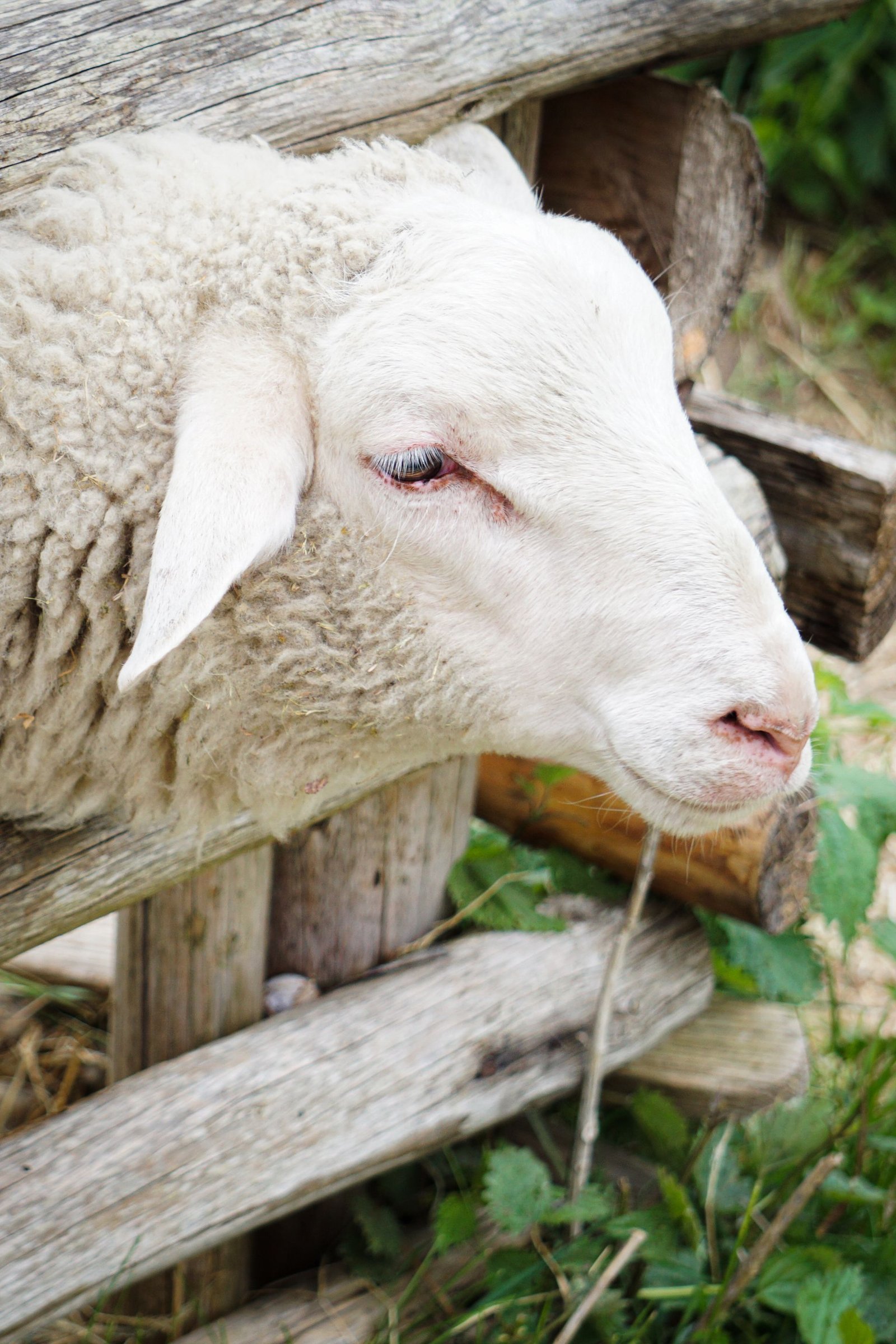
Ile de France sheep are one of the quiet success stories of South African sheep farming. They are big, white-faced, polled sheep that grow fast, lamb well and still clip a useful fleece of medium wool every year. For farmers who want lamb income first but do not want to give up the wool cheque completely, the Ile de France makes a lot of sense. It is also widely used as a terminal sire for putting weight and muscle on Merino and crossbred lambs.
This guide covers the nine things you need to know before you buy Ile de France sheep: where the breed comes from, how it got to South Africa, its size, fertility, lamb growth, wool, value as a terminal sire, how to manage it, and what breeding stock costs. The figures come from the Ile de France Breeders’ Society of South Africa and other breed sources.
Ile de France Sheep at a Glance
| Trait | Ile de France |
|---|---|
| Origin | France, developed from 1822 by crossing Dishley Leicester and Rambouillet Merino sheep |
| In South Africa since | 1903, with commercial imports from 1972 |
| Breed society | Ile de France Breeders’ Society, founded in 1980 |
| Type | Dual-purpose mutton and wool sheep, polled |
| Ewe weight | About 70 to 90 kg |
| Ram weight | Up to about 145 kg |
| Lambing percentage | About 150% to 170% |
| Lamb weight at 100 days | About 34 to 41 kg |
| Wool | 23 to 27 micron, 3 to 4.5 kg per ewe a year |
Most of these figures come from the Ile de France Breeders’ Society of South Africa, with ram weight and origin details from Farmer’s Weekly. Society figures show what well-managed flocks can do, so treat them as a guide rather than a promise.
1. Where Ile de France Sheep Come From
The Ile de France is named after the region around Paris. According to Farmer’s Weekly, it was developed at a French veterinary college from 1822 by crossing Dishley Leicester rams with Rambouillet Merino ewes. Oklahoma State University notes that it was originally called the Dishley Merino, and that the Mauchamp Merino was also used in its development.
The idea was simple: combine the fast growth and meatiness of the English Leicester with the fine wool and hardiness of the French Merino. The result was a big, early-maturing sheep that could produce good lamb and good wool on the same farm. Today the breed is found in more than 30 countries.
2. Ile de France Sheep in South Africa
The breed has a longer history here than most farmers realise. The Ile de France Breeders’ Society records that the first Ile de France sheep arrived at Table Bay harbour on 23 March 1903, sent from the flock of the French breeder Delacour as a gift to South African farmers.
During the Second World War, Frasers Limited imported Ile de France rams to its Aanvang farm in the Wepener district, where they were crossed with Merino ewes. The first commercial Ile de France sheep were imported by private breeders in 1972, and the Ile de France Breeders’ Society was founded in 1980.
Today Ile de France flocks and breeders’ clubs are found in many of South Africa’s sheep-farming areas, and the breed is used both as a purebred flock and as a terminal sire on other breeds.
3. Size and Appearance
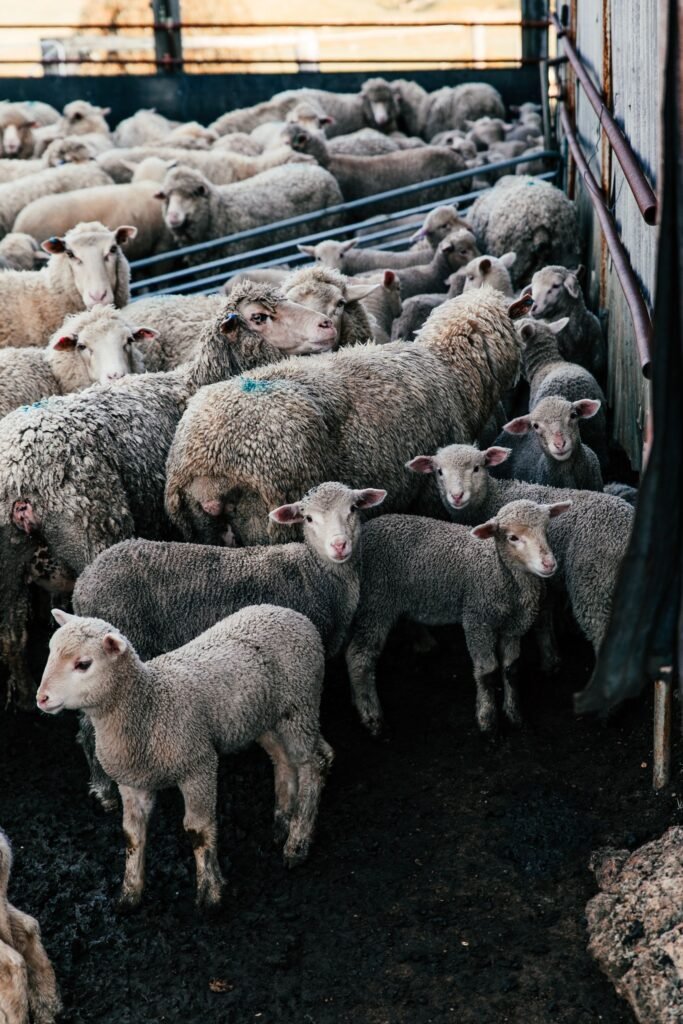
Ile de France sheep are large and thick-set. The Breeders’ Society gives mature ewe weights of about 70 to 90 kg, and Farmer’s Weekly reports rams of up to about 145 kg. Both sexes are naturally polled.
Oklahoma State University describes a white face with pink lips and nostrils, and a face and lower legs that are free of wool. An open face helps prevent wool blindness, and clean legs stay cleaner in wet or muddy conditions. The body is long and deep, with well-developed hindquarters.
When you look at breeding stock, check for a strong, level back, good depth of body, sound feet and legs, and a well-muscled leg of mutton. In ewes, look for a sound udder and good mothering history.
4. Fertility and Out-of-Season Breeding
Fertility is one of the breed’s strongest selling points. The Breeders’ Society puts lambing percentages at about 150% to 170% in normal systems, which means plenty of twins.
The Ile de France can also breed out of season, which makes it well suited to accelerated lambing. The society says that with lambings every seven to eight months, three lambings in two years can give about 220% lambs a year. That kind of system needs very good nutrition and management, but it shows the breed’s potential.
Good milk supply helps ewes raise those twins. Farmspace, citing breed figures, reports Ile de France ewes producing between 180 and 495 litres of milk per lactation. Low birth weights also mean fewer lambing problems, according to Farmer’s Weekly, which matters when you lamb a big flock without much supervision.
5. Lamb Growth and Carcass
This is where Ile de France sheep earn their place. The Breeders’ Society gives lamb weights of about 19 to 24 kg at 42 days and 34 to 41 kg at 100 days, with lambs ready for market from about 100 days old. Fast growth means lambs spend less time on the farm and less money on feed before they are sold.
The carcass is lean and well muscled. The society describes carcasses free from excessive fat, with outstanding muscle development and dressing percentages of up to 53%. Farmer’s Weekly highlights the breed’s high-quality meat and strong maternal ability as two of its main traits.
Lambs that reach market weight quickly without laying down too much fat are exactly what abattoirs and feedlots pay for, which is why the Ile de France fits so well into commercial lamb production.
6. Wool: The Second Income
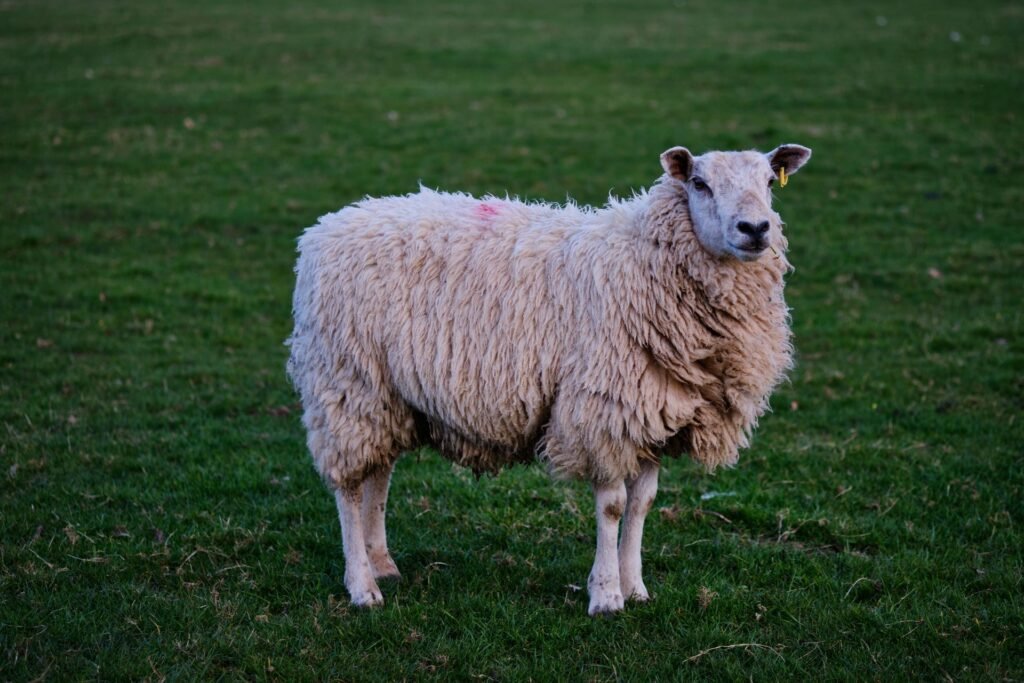
Unlike hair breeds such as the Dorper, the Ile de France grows a proper fleece. The Breeders’ Society gives a fibre diameter of 23 to 27 micron, a staple length of about 80 to 90 mm, and fleece weights of about 3 to 4.5 kg a year for ewes and 5 to 6 kg for rams.
That is a medium wool, not the fine wool of a Merino, so it earns less per kilogram. But on a flock of a few hundred ewes, a yearly wool cheque on top of the lamb income adds up. The trade-off is that a woolled sheep needs shearing, crutching and a plan against blowfly strike, which a hair sheep does not.
7. Ile de France Sheep as Terminal Sires
Some commercial farmers who never keep a purebred Ile de France flock still use Ile de France rams. The Breeders’ Society says the breed passes on exceptional conformation, muscle development and fast growth to crossbred lambs, and Farmer’s Weekly notes its use as a terminal sire in crossbreeding programmes.
One practical system is to put an Ile de France ram on Merino or Dohne Merino ewes. The crossbred lambs grow faster and carry more muscle than purebred Merino lambs, and all of them go to slaughter, while the ewe flock stays Merino for wool and replacements. It is a simple way to add lamb income to a wool farm without changing the whole flock. Our guide to Dohne Merino sheep covers that breed in detail.
If you use this system, keep the crossbred ewe lambs out of your breeding flock unless you plan for it, so your Merino ewes stay true to type.
8. Where Ile de France Sheep Farm Best
According to the Breeders’ Society and Farmer’s Weekly, Ile de France sheep adapt to intensive, semi-intensive and extensive conditions. In practice, they do best where there is reasonable grazing, planted pastures or crop residues, because a big, fast-growing, highly fertile sheep needs good feed to perform.
That makes them a good fit for grassland and mixed farming areas where feed is reliable, and for pasture and stubble systems. In very dry, harsh Karoo conditions, hardier breeds such as the Dorper or Merino usually cope better on veld alone.
Manage them as you would any woolled mutton sheep: shear once a year, crutch before lambing, control internal parasites, vaccinate against the common clostridial diseases, and give ewes extra feed in late pregnancy and while they are raising twins.
9. Ile de France Sheep Prices
Published auction results for Ile de France sheep are less common than for the big breeds like the Dorper and Merino, but the figures that are available give a useful idea.
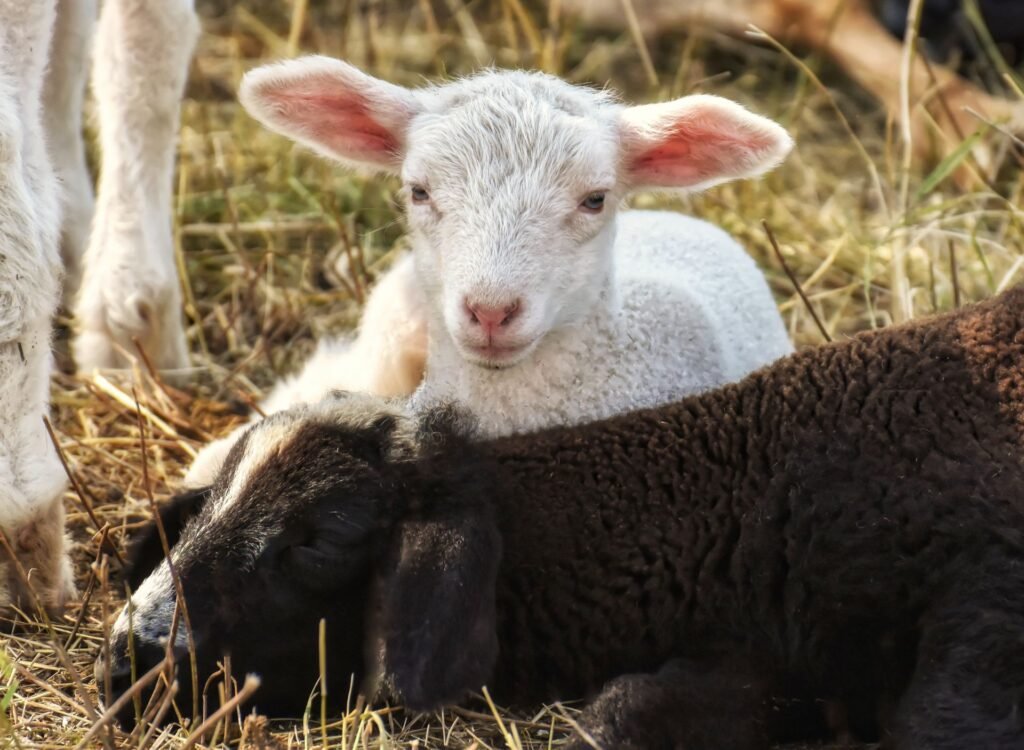
At the Oostelike Ile de France club auction in Standerton on 7 September 2022, rams averaged R17,400, stud ewes R8,500 and commercial ewes R6,700, with a top ram price of R50,000, as reported by ProAgri. At the Jakaranda Ile de France auction in Pretoria in August 2022, a Hageland ram sold for R120,000, described at the time as a record price for an Ile de France ram in South Africa.
These figures are a few years old, so allow for price movement since then. Prices also depend on whether you are buying stud rams, flock ewes or ewe lambs, and on the season. For current prices on the exact animals you need, ask for a written quote.
Starting an Ile de France Flock
If you are new to the breed, start with a manageable number of good ewes and one proven ram rather than a big flock of unknown quality. Twenty to fifty ewes are enough to learn how the breed performs on your farm, and you can grow from your own best ewe lambs.
Plan your feed before you buy. A highly fertile ewe raising twins needs good grazing or pasture in late pregnancy and during lactation, and the lambs need good feed to reach market weight at around 100 days. Work out where that feed will come from in your driest months, whether it is planted pasture, crop residues, bought hay or a creep feed for the lambs.
Decide early how you will market your lambs. Talk to your nearest abattoir, feedlot or speculator about the weights and fat cover they want, and ask how they pay for heavier, well-muscled lambs. If you plan to sell breeding stock later, keep records of lambing, weaning weights and fleece weights from the first season.
Finally, set up your handling facilities before the sheep arrive: a race, a crush or handling pen, a shearing area and lambing camps close to the house. Ile de France sheep are big, and good facilities make shearing, dosing and weighing far easier on both the sheep and your workers.
Ile de France vs Dorper and Merino
Ile de France sheep sit between two of the best-known breeds in South Africa.
- Compared with the Dorper: the Ile de France gives you wool income and a big, fast-growing lamb, but needs shearing and better feed. The Dorper is a hardier, easy-care hair sheep for dry veld. Read our Dorper vs Meatmaster guide for more on hair sheep.
- Compared with the Merino: the Ile de France grows faster and carries more meat, but its wool is coarser and worth less per kilogram. The Merino is the wool specialist. See our Merino vs Dohne Merino comparison for more on wool sheep.
Buying Ile de France Sheep
When you buy Ile de France sheep, ask for lambing records, weaning weights and, for rams, growth figures and a fertility test. Check that ewes are sound in the mouth, feet and udder, and that rams have good testicles and strong legs. Buy from healthy flocks, keep new sheep apart from your flock for a few weeks when they arrive, and get a written quote and an official invoice. Our guide to buying livestock in South Africa covers every step.
DRM Livestock supplies Ile de France sheep to farms across South Africa, from lambs and yearling ewes to pregnant ewes and breeding rams.
Frequently Asked Questions
What are Ile de France sheep used for?
Ile de France sheep are a dual-purpose breed used mainly for lamb and mutton, with wool as a second income. They are also often used as terminal sires on Merino and other ewes to breed fast-growing, meaty slaughter lambs.
How big do Ile de France sheep get?
Mature ewes weigh about 70 to 90 kg, and rams can reach about 145 kg, according to the breed society and Farmer’s Weekly.
How fast do Ile de France lambs grow?
The Breeders’ Society gives about 19 to 24 kg at 42 days and 34 to 41 kg at 100 days, with lambs ready for market from about 100 days old.
What is the lambing percentage of Ile de France sheep?
About 150% to 170% in normal systems. With out-of-season breeding and three lambings in two years, the society says flocks can reach about 220% lambs a year.
Do Ile de France sheep need shearing?
Yes. They grow a medium wool of 23 to 27 micron, with fleeces of about 3 to 4.5 kg for ewes and 5 to 6 kg for rams, and need shearing, crutching and fly control.
Are Ile de France sheep good for beginners?
Yes, if you have reasonable grazing or pastures and can manage a woolled sheep. On very dry veld with little feed, a hardier hair breed may be easier.
Can I use an Ile de France ram on Merino ewes?
Yes. It is a popular use of the breed. The crossbred lambs grow faster and carry more muscle, and go to slaughter while the Merino ewe flock stays pure.
Final Thoughts
Ile de France sheep give you a rare combination: big, fast-growing lambs, high fertility and a useful wool clip, in a polled sheep that adapts to many systems. They reward good feed and good management, and they are one of the easiest ways to add lamb income to a wool flock through crossbreeding. If you would like current prices for Ile de France sheep delivered to your farm, send us your requirements and we will get back to you with a written quote.
Looking to buy sheep?
Tell us the breed, age group, quantity and delivery area. We reply with availability, pricing and transport costs, usually within one working day.
DRM LIVE STOCK is a registered South African livestock company (Company No. K2023207798, VAT No. 4640323079) based at 135 Rocklands Rd, Uitenhage Farms, Gqeberha. We supply cattle, goats, sheep and pigs, with delivery across South Africa.