Pig housing decides more of your piggery’s results than most new farmers expect. Pigs cannot sweat, piglets chill easily, and crowded, stuffy pens breed disease. A well-designed pig house keeps sows cool, piglets warm and growers comfortable, makes cleaning quick and keeps disease out. A badly designed one costs you in feed, deaths and labour every single day, and it is expensive to fix once the concrete has set.
This guide covers pig housing in South Africa from the ground up: choosing the site, ventilation and temperature, the different houses a piggery needs, space and the coming changes to sow housing, floors, drainage and water, and outdoor systems for small farmers. Whether you are building a ten-sow unit or upgrading an old one, the same principles apply.
Pig Housing at a Glance
| Area | Main purpose | Key design point |
|---|---|---|
| Dry sow and mating area | Housing sows from weaning to late pregnancy | Group pens, at least 2.25 m² per sow from 2032 |
| Farrowing house | Sows giving birth and suckling piglets | Warm creep for piglets, cooler air for the sow |
| Weaner house | Piglets after weaning | Warm, draught-free, easy to clean |
| Grower and finisher house | Pigs growing to slaughter weight | Space, airflow and cooling |
| Boar pen | Breeding boars | Strong, roomy pen near the sows |
1. Choosing the Site for Your Pig Housing
Get the site right before you think about pens. Look for:
- Distance from other pigs. Keep well away from neighbours’ pigs, roads used by livestock trucks and informal pig keepers. Distance is your first line of defence against African swine fever and other diseases.
- Good drainage. Build on slightly sloping, well-drained ground, never in a low spot where water collects.
- Water and power. Pigs drink a lot, and you will need power for lights, heaters and pumps.
- Space for effluent. Plan where manure and wash water will go before you build. Our guide on how to start a small piggery covers effluent and planning in more detail.
- Access for trucks that does not run through the pig area itself.
Spacing between buildings matters too. A SAPPO guide to piggery ventilation published by Farmer’s Weekly recommends keeping buildings at least 18 m apart, both for airflow and for disease control.
2. Ventilation: The Heart of Good Pig Housing
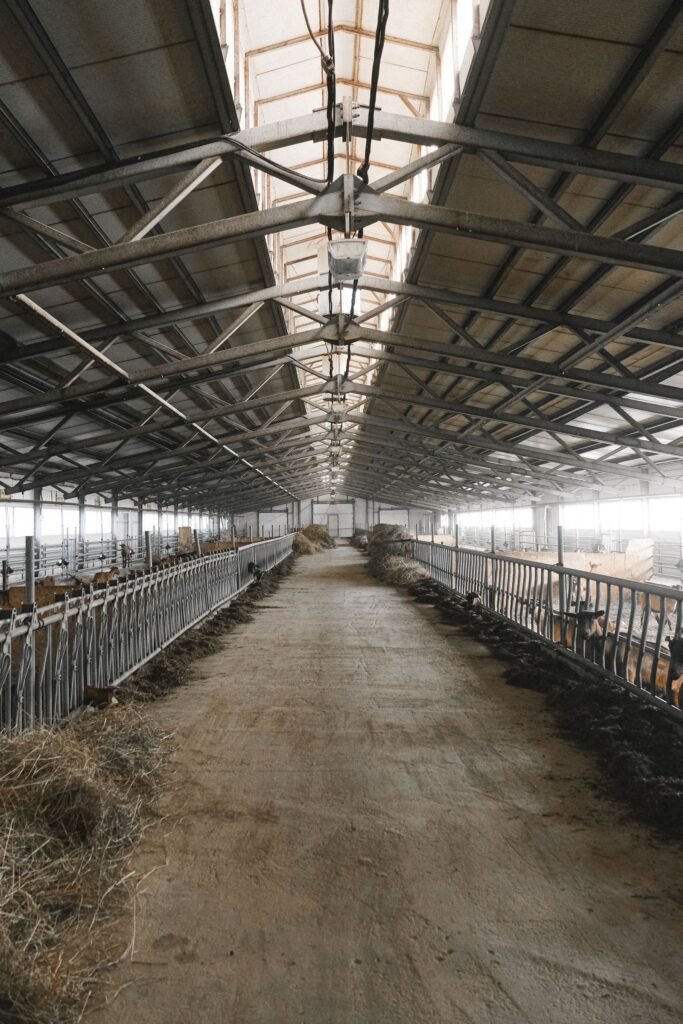
Ventilation brings in fresh air, removes heat, moisture and harmful gases such as ammonia, and keeps pigs comfortable. According to the same SAPPO guide, natural ventilation has served South African piggeries well for decades because our climate is milder than in many pig-producing countries. It works through two forces: warm air rising and being replaced by cooler air, and wind blowing across the building.
The guide’s main design rules are:
- Bring fresh air in low and let stale air out high.
- Size vents properly, because airflow is limited by the smallest opening.
- Avoid long distances between inlets and outlets, which weaken airflow.
- Insulate the roof in hot areas, and damp-proof floors, especially in wet regions.
- Use windbreaks against cold winter winds, but leave warm prevailing summer winds unobstructed.
Aim for a relative humidity between 45% and 75%, and avoid levels above 80% or below 40%, as the guide advises. Pigs need moving air in summer but must never stand in a draught, which chills them and sets off pneumonia, especially in young pigs.
3. Temperature in Pig Housing: Hot Sows, Cold Piglets
The hardest part of pig housing is that different pigs need very different temperatures, sometimes in the same room. A big sow suffers in the heat, while her newborn piglets chill at the same temperature. Pigs cannot sweat, so heat stress cuts feed intake, milk, growth and fertility.
The farrowing house shows this best. The Pig Site suggests keeping the farrowing room at about 22 to 24°C until farrowing is complete, or about 18 to 20°C if the piglets have a covered creep, with a thermostatically controlled heat source in the creep that is turned down as the piglets grow. In practice:
- Give piglets a warm, covered creep with a heat lamp or heat pad, so they lie there instead of next to the sow, where they risk being crushed.
- Keep the sow as cool as you can, with good airflow and, in hot areas, drippers or sprinklers aimed at her head and shoulders.
- For growers and finishers in summer, shade, roof insulation, airflow and cool drinking water make the biggest difference.
4. The Houses a Piggery Needs
Good pig housing has separate areas for each stage. Even a small piggery needs them, ideally run on an all-in, all-out basis so each room can be emptied, washed, disinfected and dried between batches. The Pig Site recommends exactly this for the farrowing house.
- Dry sow and mating area. Sows from weaning through mating and pregnancy, with the boar pen close by so his presence helps bring sows on heat.
- Farrowing house. Individual farrowing pens or crates with a protected piglet creep. Move sows in clean and calm several days before they are due.
- Weaner house. Warm, dry and draught-free pens for newly weaned piglets, which are at their most vulnerable to scours and respiratory disease.
- Grower and finisher house. Larger pens for pigs growing to market weight, with good airflow and enough feeder and drinker space for every pig.
- Quarantine pen. A separate pen well away from the main unit for new pigs, kept for at least a few weeks before they join the herd.
Our guide to pig farming in South Africa explains how these stages fit together in a working piggery.
5. Space and the Move to Group Sow Housing
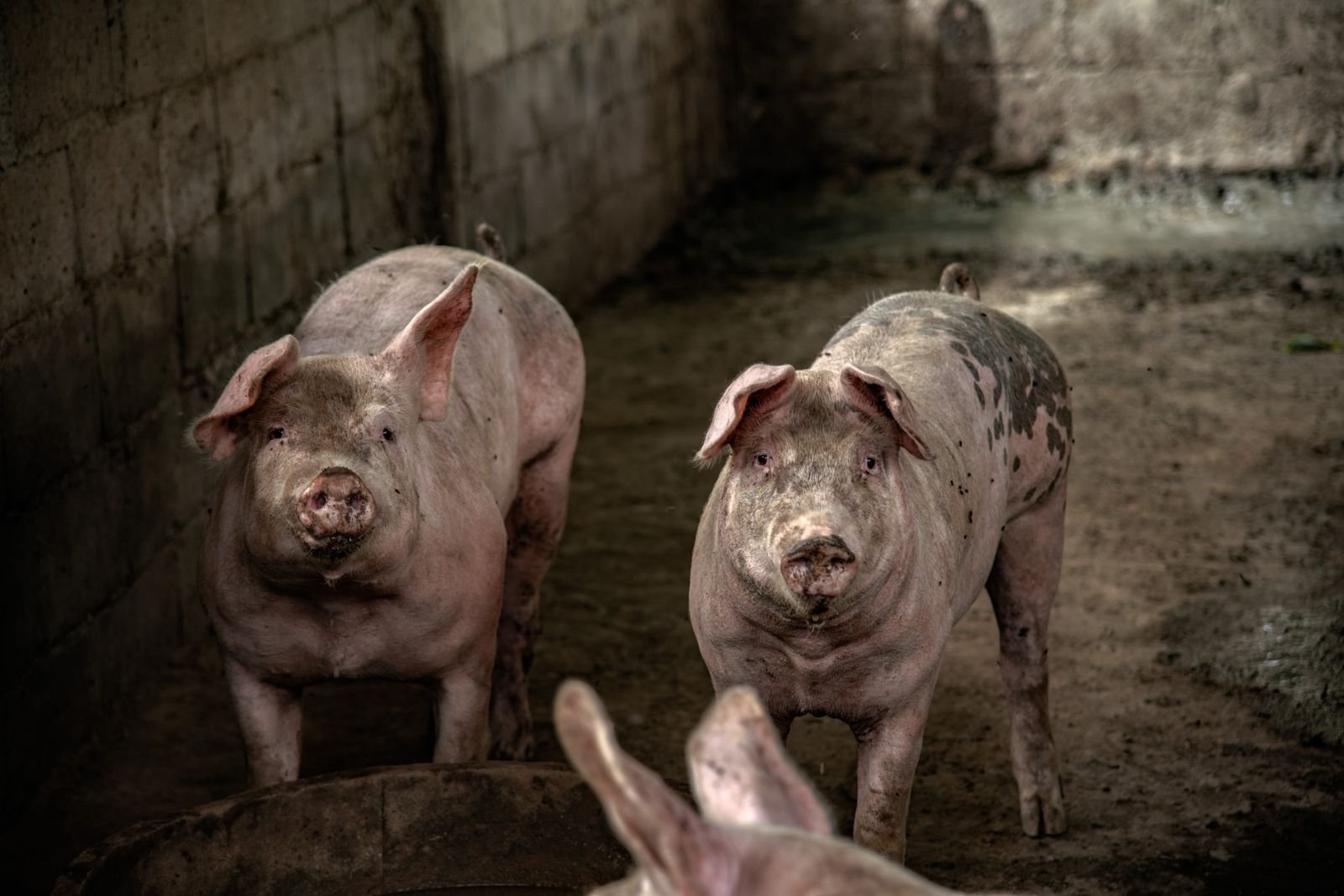
Crowding is one of the most common pig housing mistakes. Crowded pigs fight, grow unevenly, foul their pens and get sick more often. Give every pig enough room to lie down at the same time, with a separate dunging area, and enough feeder and drinker space so the smaller pigs can eat and drink too.
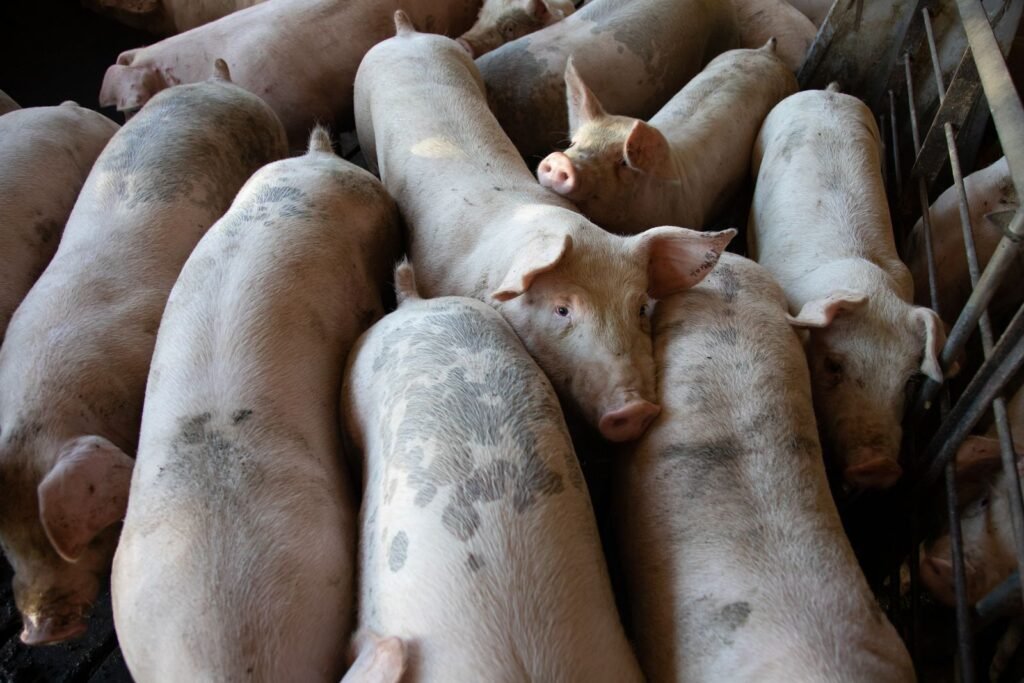
Sow housing in South Africa is changing. Under SAPPO’s revised animal welfare code, gestation crates are to be phased out completely from 1 January 2032, and pregnant sows must then be kept in groups with at least 2.25 m² per sow, according to 3tres3. The earlier 2023 code allowed sows to be kept in gestation crates for up to eight weeks. SAPPO is also launching a Social Sows programme in the last quarter of 2026 to track the industry’s move to crate-free sow housing, as African Farming reported.
If you are building now, plan your dry sow area for group housing from the start. Group pens work best with enough feeding and drinking points, good pen design and sensible group sizes, so that sows do not fight when a new group is formed.
6. Floors, Drainage and Water
Floors are the part of pig housing that takes the hardest beating. They affect pigs’ feet, hygiene and labour.
- Concrete floors should be rough enough that pigs do not slip, but not so rough that they damage feet and knees.
- Slope floors towards a drain or dunging channel so urine and wash water run away from the lying area.
- Slatted floors over a manure channel save labour in bigger units, but need careful design and are expensive to install.
- Damp-proof the floor so the lying area stays dry, especially in wet regions, as the SAPPO ventilation guide advises.
Every pen needs clean water at all times. Nipple drinkers or bowl drinkers reduce waste and keep water cleaner than open troughs. Check them daily, because a blocked drinker in hot weather can kill pigs quickly, and pigs that drink less also eat less. Our guide to feeding pigs covers feeders and rations for each stage.
7. Outdoor and Low-Cost Pig Housing
Not every piggery needs a big building. Many small and emerging farmers in South Africa keep pigs in simpler housing or outdoors, and that can work well if the basics are right:
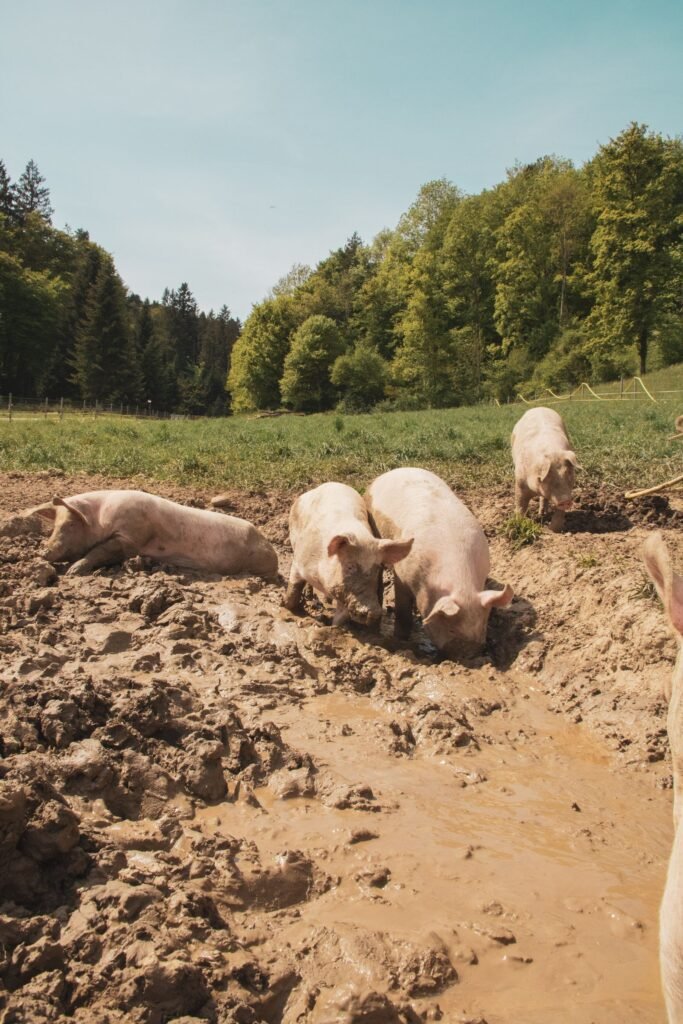
- Shade and shelter. White breeds such as the Large White burn easily, and all pigs suffer in the heat. Every pen or camp needs proper shade and a shelter from rain and cold wind.
- A wallow or sprinkler. Pigs cool themselves in mud and water. Give them a wallow or sprinkler in summer.
- Strong fencing. Pigs are strong and clever. Secure fencing also keeps out other pigs and warthogs, which matters for African swine fever.
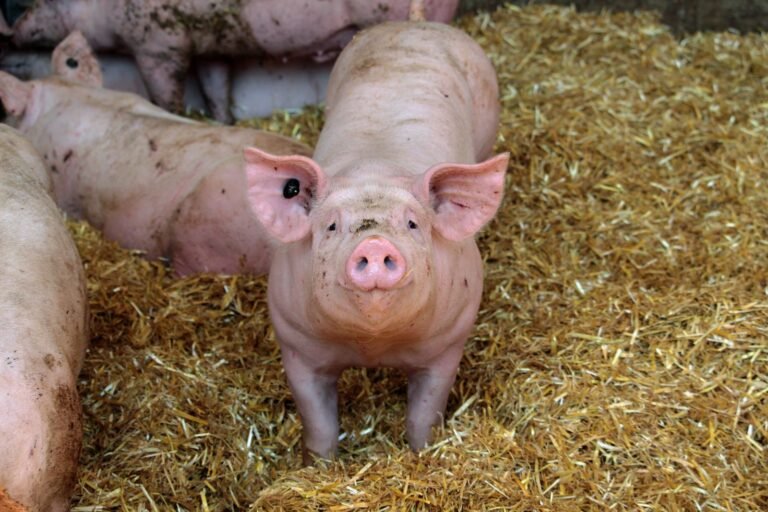
- Dry bedding. Straw or similar bedding in the shelter keeps pigs warm in winter.
- Rotation. Move outdoor pigs between camps where possible to rest the ground and break worm cycles.
Biosecurity Built Into the Design
The best time to plan biosecurity is before you build. Design the piggery with a single, controlled entrance, a place for visitors and workers to change clothes and boots, a loading ramp at the edge of the unit so trucks never enter the pig area, and a perimeter fence that keeps out other pigs and animals. Our guide to pig diseases in South Africa explains why these steps matter so much right now.
Common Pig Housing Mistakes
- Poor ventilation. Stuffy, damp houses full of ammonia lead to pneumonia and slow growth.
- Draughts at pig level. Air should move above the pigs, not across their lying area.
- Overcrowding. It causes fighting, uneven growth and disease.
- No creep for piglets. Without a warm creep, more piglets get chilled or crushed.
- Floors that stay wet. Wet floors mean dirty pigs, bad feet and more disease.
- Building for crates today. Plan sow housing for group pens, because crates are being phased out.
Frequently Asked Questions
What is the best housing for pigs in South Africa?
A well-ventilated, naturally aired house with separate areas for dry sows, farrowing, weaners and growers works well in most of the country. Good ventilation, shade and cooling in summer, and warm, draught-free pens for piglets matter more than expensive equipment.
How much space does a sow need?
Under SAPPO’s revised welfare code, pregnant sows must be housed in groups with at least 2.25 m² per sow from 1 January 2032, when gestation crates are phased out completely.
What temperature should a farrowing house be?
About 22 to 24°C during farrowing, or about 18 to 20°C if piglets have a covered creep, with extra heat in the creep for the piglets.
How far apart should pig houses be?
A SAPPO guide recommends at least 18 m between buildings for good airflow and disease control.
Can pigs be kept outdoors?
Yes, with proper shade, shelter, water, a wallow or sprinkler in summer and strong fencing. White pigs need good shade to avoid sunburn.
Are gestation crates being banned in South Africa?
Under SAPPO’s revised 2025 welfare code, gestation crates are to be fully phased out from 1 January 2032, with pregnant sows kept in groups.
What humidity is best in a pig house?
Between about 45% and 75% relative humidity. Levels above 80% or below 40% should be avoided.
Final Thoughts
Good pig housing is not about fancy buildings. It is about fresh air without draughts, warmth for piglets and coolness for sows, enough space, dry floors, clean water and a design that keeps disease out and makes daily work easy. Plan for group sow housing now, build with biosecurity in mind, and your pigs will repay you with better growth and fewer losses. If you are stocking a new or upgraded piggery, have a look at our Large White pigs for sale, or send us your requirements and we will get back to you with a written quote, including delivery to your farm.
Looking to buy pigs?
Tell us the breed, age group, quantity and delivery area. We reply with availability, pricing and transport costs, usually within one working day.
DRM LIVE STOCK is a registered South African livestock company (Company No. K2023207798, VAT No. 4640323079) based at 135 Rocklands Rd, Uitenhage Farms, Gqeberha. We supply cattle, goats, sheep and pigs, with delivery across South Africa.