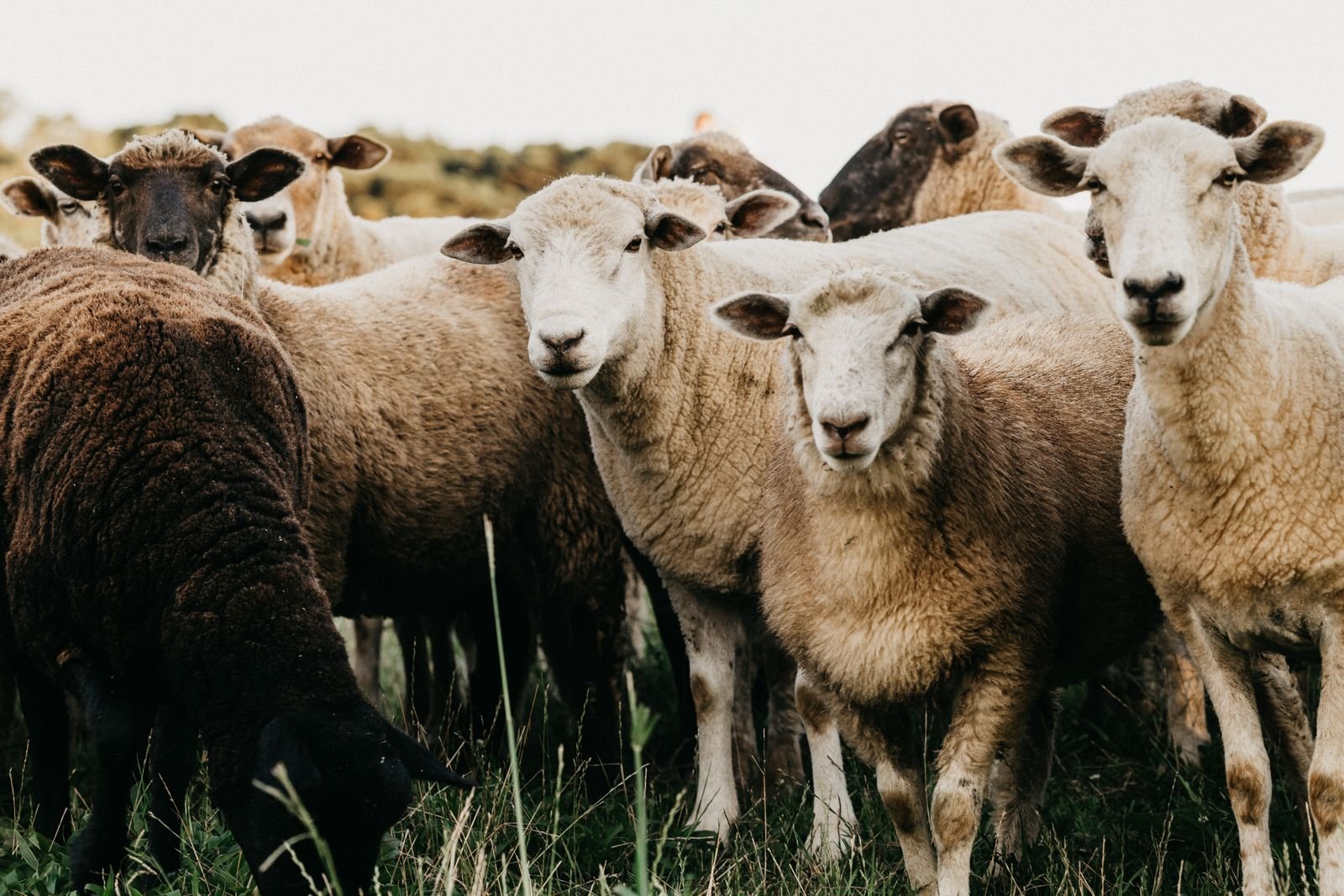
Feeding sheep is where most of a flock’s profit is made or lost. The veld does the heavy lifting for most of the year, but there are a few short periods when the right feed at the right time decides how many lambs you mark, how many survive and how heavy they are at weaning. Get those periods right and you do not need to spend a fortune on bought feed. Get them wrong and no amount of pellets later will win the lambs back.
This guide covers feeding sheep in South Africa through the whole production year: flushing before mating, the last six weeks of pregnancy, lambing and lactation, creep feeding and weaning lambs, winter and drought feeding, minerals and the copper trap, water, and feeding rams. It applies to meat breeds such as Dorpers and Meatmasters and to wool breeds such as Merinos.
Feeding Sheep at a Glance
| Stage | Goal | What to do |
|---|---|---|
| Before mating | Ewes gaining weight, condition score about 3.5 | Flush feed from 2 to 3 weeks before mating |
| Early and mid pregnancy | Hold condition | Veld plus the right lick |
| Last six weeks of pregnancy | Strong lambs, no pregnancy toxaemia | Extra energy and protein, especially for twin-bearing ewes |
| Lambing and lactation | Plenty of milk | Best grazing plus a lactation supplement |
| Lambs from 1 to 2 weeks | Fast growth, easy weaning | Creep feed |
| Winter and drought | Keep the breeding flock alive and productive | Production licks, hay, priority feeding |
1. Feeding Sheep Before Mating: Flushing
Flushing means putting ewes on a rising plane of nutrition just before and during mating, so that they shed more eggs and conceive more twins. According to AFGRI Animal Feeds, the best results come when flush feeding starts 14 to 21 days before ovulation and continues through the mating period. As a rule of thumb, lambing percentage rises by about 1.5% for every extra kilogram a ewe gains during mating.
The same source recommends a condition score of about 3.5 for both ewes and rams before mating, and warns that ewes losing weight just before mating ovulate and conceive less well. In practice, that means:
- Move ewes to your best camp, a planted pasture or good stubble land two to three weeks before the rams go in.
- Where the veld is poor, add a little extra energy and protein, such as a flushing pellet or good hay.
- Keep feeding steady through the mating period. A sudden drop in feed during mating costs lambs.
Do not try to flush fat ewes. Flushing works best on ewes in moderate condition. Very fat ewes gain little from it and are more prone to problems later in pregnancy.
2. Feeding Sheep in the Last Six Weeks of Pregnancy
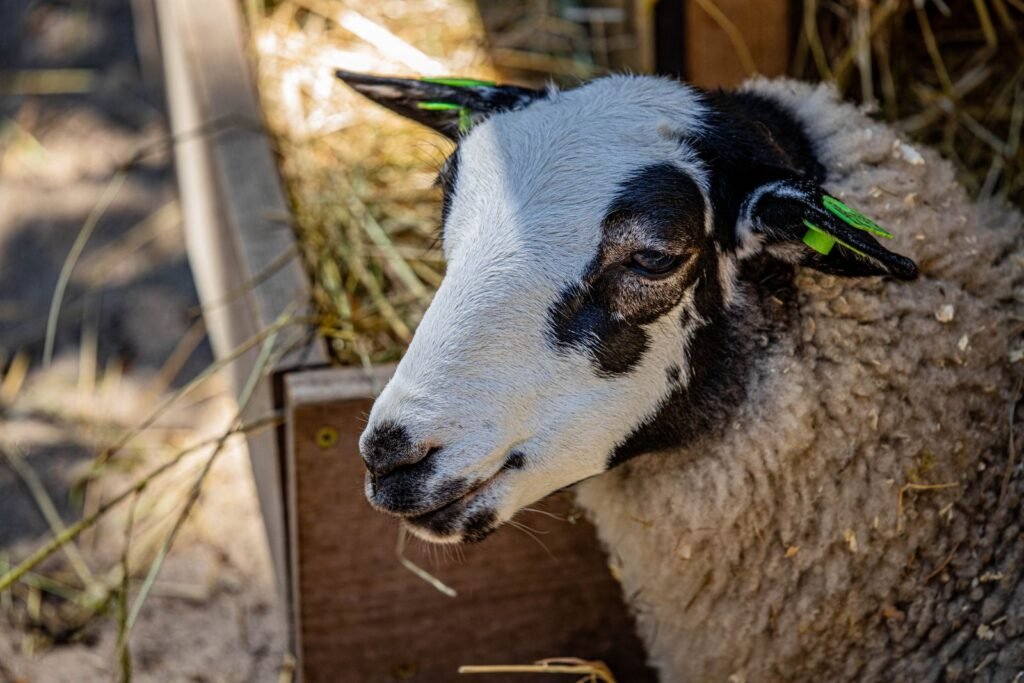
A large share of a lamb’s growth in the womb happens in the last six weeks of pregnancy, and this is the stage where poor feeding hurts most. Underfed ewes give birth to small, weak lambs, produce less colostrum and milk, and are at risk of pregnancy toxaemia, also called twin lamb disease.
According to the Tasmanian Department of Natural Resources and Environment, ewes carrying more than one lamb are at higher risk, as are both over-fat and very thin ewes, old ewes with bad teeth and lame ewes. Signs include ewes standing apart from the flock, drowsiness, apparent blindness, trembling and lying down, with death within days if untreated. The advice is to:
- Keep ewes at a condition score of about 3 out of 5 through pregnancy.
- Scan ewes where you can, so that twin-bearing ewes get the extra feed.
- Remember that hay alone is unlikely to be enough in late pregnancy. Add an energy and protein supplement, introduced gradually.
- Avoid long periods off feed, sudden ration changes and unnecessary handling and stress.
Treat any suspected case early and call your vet. Pregnancy toxaemia can look like milk fever, which responds much better to treatment, so a quick diagnosis matters.
3. Feeding Sheep at Lambing and in Lactation
A ewe’s feed needs peak in the first weeks after lambing, especially if she is raising twins. Give lambing ewes your best grazing and a lactation supplement or production lick if the veld cannot keep up. A ewe that runs short of milk in the first month produces a lamb that never fully catches up.
Make sure every lamb drinks colostrum in its first few hours of life. Colostrum carries the antibodies that protect lambs until their own immunity and vaccinations take over, and a lamb that misses it is far more likely to die in its first weeks.
4. Creep Feeding and Weaning Lambs
Creep feeding is the part of feeding sheep that pays back fastest. It means giving lambs access to concentrate feed in an area the ewes cannot reach. Writing in Farmer’s Weekly, Dr Francois van de Vyver of Voermol Feeds notes that creep feed can start from about seven days old and can supply about half of a lamb’s feed needs after one month, and that creep-fed lambs are 10% to 20% heavier at weaning. He gives a standard weaning age of 120 days, with early weaning possible at about 25 kg, or around eight to nine weeks.
A separate Farmer’s Weekly guide to creep feeding recommends:
- Starting lambs at one to two weeks old, knowing they only eat much from about four weeks.
- About 1 m² of creep space per lamb, with gaps big enough for lambs but too small for ewes.
- Finely ground feed for very young lambs, moving to coarser feed and whole grain as they grow.
- Keeping the feed dry, fresh and always available.
Creep feeding pays best for lambs born in winter, for twins and for lambs you want to sell early. If you finish lambs in a feedlot, adapt them to the ration slowly. Van de Vyver calls the adaptation phase “make or break”, because lambs moved too quickly onto high-grain feed can develop acidosis. Vaccinate against pulpy kidney before lambs go onto rich feed. Our guide to sheep diseases in South Africa covers both problems.
5. Feeding Sheep in Winter and Drought
Most South African veld loses much of its feeding value from autumn through winter, and the right lick makes the difference between ewes holding condition and ewes falling away. As a general rule:
- Summer on good veld: a salt and phosphate lick, chosen for your veld type.
- Winter on dry veld: a protein or production lick that helps sheep digest dry grass.
- Late pregnancy and lactation in winter: a production lick plus extra energy, such as hay or pellets.
Use licks containing urea exactly as the label says, introduce them slowly and keep them dry, because too much urea at once can kill sheep. Place licks away from water points so the sheep keep moving out onto the veld.
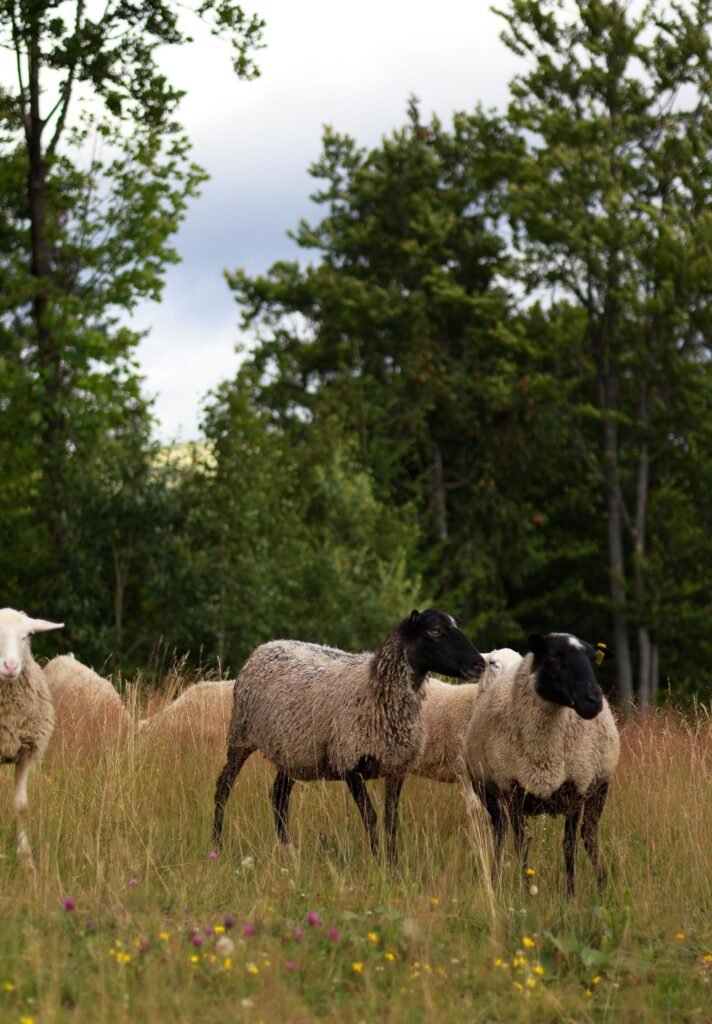
In a drought, Karoo farmer and writer Roelof Bezuidenhout’s advice in Farmer’s Weekly still holds: sell surplus and old stock early, start feeding when animals have lost about 15% of their normal body weight but before they are weak, and feed the most valuable animals first, namely heavily pregnant ewes, ewes with lambs and young replacement ewes. Once you start feeding in a drought, you usually cannot stop until it rains, and you should not stop too soon after the first rain, because young green grass is low in energy.
Whatever you are feeding sheep, change rations slowly over about a week. A sudden switch to grain or lush pasture can cause acidosis or pulpy kidney.
6. Minerals and the Copper Trap
When it comes to minerals, feeding sheep differs from feeding other livestock in one important way: sheep are very sensitive to copper. According to the MSD Veterinary Manual, sheep are the most susceptible of all species to copper poisoning. Excess copper builds up quietly in the liver over months, and then a stress such as transport, handling, bad weather, pregnancy or poor feeding releases it into the blood all at once. Affected sheep become weak, yellow and pass dark urine, and most die.
The practical rules for feeding sheep minerals are simple:
- Use licks, pellets and mineral mixes made for sheep. Products made for cattle and goats often contain enough copper to poison sheep over time.
- Do not add copper supplements unless your vet confirms a deficiency on your farm.
- If you run sheep and goats together, feed them separately where possible. Goats need far more copper than sheep, so a lick that suits one can harm or short-change the other. Our guide to feeding goats explains the goat side.
Salt and phosphate are the other two minerals that matter most on most South African veld. Choose licks for your specific veld type with the help of a feed company or extension officer.
7. Water and Feeding Rams
Water is the most important part of feeding sheep. Sheep need clean, fresh water every day, and ewes in milk and sheep in hot weather drink far more than dry sheep in winter. Check troughs and pipes daily, and clean troughs often, because sheep drink less from dirty water and eat less as a result.
Rams need attention well before mating. AFGRI notes that good nutrition from about two months before the mating season can double sperm production, because sperm takes weeks to develop. Feed rams for condition, not fat. Heavy grain feeding can put fat around the scrotum and lower fertility, and grain-heavy diets also raise the risk of urinary stones in rams and wethers. Keep roughage as the main part of the diet and make sure water is always available. For the full calendar from mating to lambing, see our guide to sheep breeding.
Common Mistakes When Feeding Sheep
- Feeding only when ewes look thin. By then it is too late for this season’s lambs. Feed for the stages that count.
- Feeding all ewes the same. Twin-bearing and young ewes need more than dry ewes with singles.
- Using cattle or goat licks. The copper in them can poison sheep.
- Sudden changes to grain or lush pasture. Always introduce new feed over about a week.
- Feeding on the ground. It wastes feed and spreads worms. Use troughs and racks.
- Stopping drought feeding too early. Young green grass after the first rain is not enough on its own.
For breed-specific advice, see our guides to Dorper sheep, Meatmaster sheep and Merino sheep. For current lamb and mutton prices, see our guide to sheep prices in South Africa.
Frequently Asked Questions
When should I start flush feeding ewes?
About two to three weeks before mating, continuing through the mating period. Ewes that are gaining weight at mating conceive more twins.
How should I feed ewes in late pregnancy?
Give extra energy and protein in the last six weeks, when most of the lamb’s growth happens. Twin-bearing ewes need the most. Hay alone is usually not enough, and new feed should be introduced gradually.
What is pregnancy toxaemia in sheep?
Also called twin lamb disease, it is a metabolic disease of ewes in late pregnancy, usually caused by too little energy in the diet. Ewes carrying twins, very fat or thin ewes and old ewes are most at risk.
When should lambs start creep feed?
From about one to two weeks old. Lambs start eating real amounts from about four weeks, and creep-fed lambs are usually 10% to 20% heavier at weaning.
Can sheep eat cattle or goat licks?
It is not safe. Sheep are very sensitive to copper, and licks made for cattle and goats often contain enough copper to poison sheep over time. Use products made for sheep.
When should I wean lambs?
A standard weaning age is about 120 days. Creep-fed lambs can be weaned earlier, at about 25 kg or eight to nine weeks.
How do I feed sheep in a drought?
Sell surplus stock early, start feeding before animals become weak, and feed pregnant ewes, ewes with lambs and young replacement ewes first. Do not stop feeding too soon after the first rain.
Final Thoughts
Feeding sheep well does not mean feeding them all the time. It means feeding the right sheep at the right time: flushing before mating, extra energy and protein in late pregnancy, the best grazing in early lactation, creep feed for lambs and the right lick for your veld and season. Add clean water and sheep-safe minerals, and you will mark more lambs, lose fewer and wean them heavier. If you are building or adding to a flock, have a look at our Dorper sheep for sale, or send us your requirements and we will get back to you with a written quote, including delivery to your farm.
Looking to buy sheep?
Tell us the breed, age group, quantity and delivery area. We reply with availability, pricing and transport costs, usually within one working day.
DRM LIVE STOCK is a registered South African livestock company (Company No. K2023207798, VAT No. 4640323079) based at 135 Rocklands Rd, Uitenhage Farms, Gqeberha. We supply cattle, goats, sheep and pigs, with delivery across South Africa.